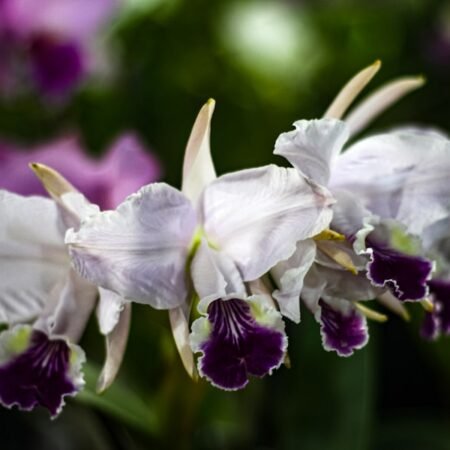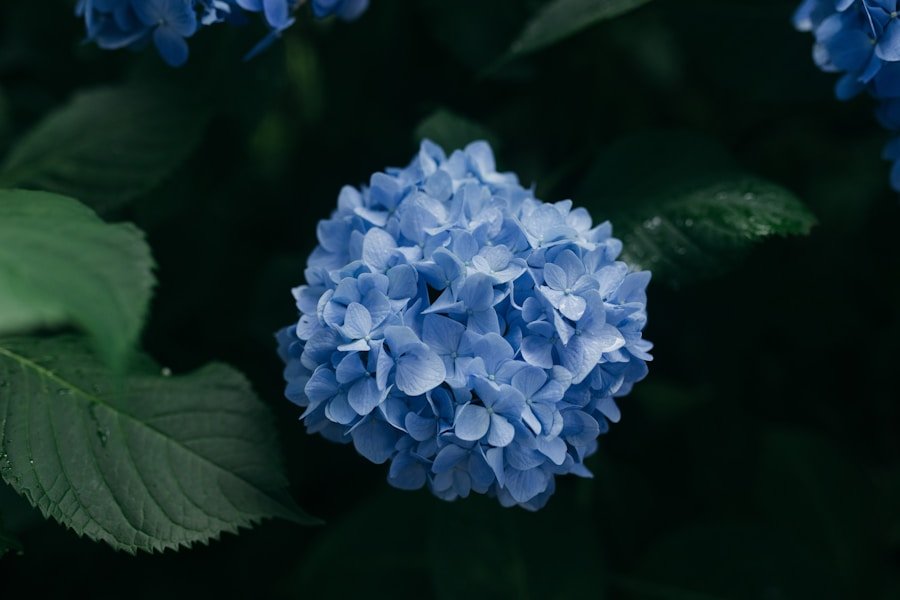

Blue flowers have a unique allure that sets them apart from other blooms. Their rare and captivating color has captivated the hearts and minds of people for centuries, making them highly sought after in gardens, art, and literature. The mesmerizing hue of blue flowers evokes a sense of tranquility and calmness, making them a popular choice for creating serene and peaceful environments. Whether it’s the delicate petals of the forget-me-not or the striking blooms of the Himalayan blue poppy, blue flowers never fail to leave a lasting impression on those who behold them.
The allure of blue flowers can also be attributed to their rarity in nature. While there are countless varieties of red, yellow, and pink flowers, true blue flowers are a rarity in the plant kingdom. This scarcity makes them all the more precious and coveted by gardeners and flower enthusiasts. The challenge of cultivating and nurturing blue flowers adds to their mystique, making them a symbol of patience, perseverance, and dedication. Whether used as a focal point in a garden or as a decorative element in a bouquet, blue flowers never fail to captivate and enchant with their unique allure.
Historical and Cultural Significance of Blue Flowers
Blue flowers have held significant cultural and historical importance throughout the ages. In ancient civilizations, such as Egypt and Mesopotamia, blue flowers were revered for their association with the divine and the supernatural. The ancient Egyptians used blue lotus flowers in religious ceremonies and believed that they symbolized rebirth and resurrection. In Mesopotamia, blue irises were dedicated to the goddess Ishtar, symbolizing her power and authority.
In medieval Europe, blue flowers were associated with the Virgin Mary and were often used in religious art and symbolism. The blue color was seen as a representation of purity, innocence, and divine grace. Blue flowers were also used in medieval herbalism and alchemy for their supposed healing properties and mystical significance. Throughout history, blue flowers have been revered for their cultural and spiritual significance, making them an enduring symbol of beauty and transcendence.
Blue Flowers in Art and Literature
Blue flowers have long been a source of inspiration for artists and writers, who have sought to capture their ethereal beauty in various forms of creative expression. From the delicate brushstrokes of Monet’s water lilies to the poetic verses of Shakespeare’s sonnets, blue flowers have been celebrated for their symbolic significance and aesthetic appeal. In art, blue flowers are often used to evoke a sense of tranquility, mystery, and contemplation. They are a popular subject in still life paintings, where their vibrant hues are contrasted against dark backgrounds to create a sense of drama and intensity.
In literature, blue flowers have been used as powerful symbols to convey a range of emotions and themes. In Goethe’s “The Sorrows of Young Werther,” the protagonist is captivated by the beauty of a blue flower, which becomes a symbol of unattainable love and longing. In Japanese haiku poetry, the delicate beauty of the blue iris is often used to evoke a sense of fleeting beauty and transience. Blue flowers have also been used as symbols of hope, renewal, and spiritual awakening in various works of literature, showcasing their enduring significance as a source of inspiration for creative minds.
The Symbolism of Blue Flowers in Different Cultures
The symbolism of blue flowers varies across different cultures and traditions, each imbuing them with unique meanings and significance. In Western cultures, blue flowers are often associated with feelings of peace, serenity, and tranquility. They are seen as symbols of calmness and relaxation, making them popular choices for creating soothing environments in gardens and landscapes. In Eastern cultures, such as China and Japan, blue flowers are often associated with spirituality, meditation, and enlightenment. They are seen as symbols of purity and transcendence, representing the quest for inner peace and harmony.
In Native American traditions, blue flowers are often seen as symbols of healing and protection. They are used in traditional medicine and rituals to promote physical and spiritual well-being. In African cultures, blue flowers are associated with fertility, growth, and abundance, symbolizing the nurturing power of nature. The symbolism of blue flowers is deeply rooted in cultural traditions and beliefs, reflecting the diverse ways in which they are perceived and revered around the world.
Blue Flowers in Gardening and Landscaping
Blue flowers are highly prized in gardening and landscaping for their ability to add a touch of elegance and sophistication to outdoor spaces. Whether used as focal points in flower beds or as accents in mixed borders, blue flowers have the power to transform any garden into a tranquil oasis. Their cool hues create a sense of depth and dimension in garden designs, adding visual interest and contrast to the overall landscape. From the delicate blooms of the blue hydrangea to the vibrant petals of the cornflower, there are countless varieties of blue flowers that can be incorporated into garden designs to create stunning visual effects.
In addition to their aesthetic appeal, blue flowers also play an important role in attracting pollinators to gardens. Bees, butterflies, and hummingbirds are drawn to the vibrant colors of blue flowers, making them essential for promoting biodiversity and ecological balance. Blue flowers also have the ability to complement a wide range of other colors in garden designs, making them versatile choices for creating harmonious and balanced landscapes. Whether used in formal gardens or naturalistic settings, blue flowers have the power to elevate the beauty of any outdoor space with their enchanting presence.
The Psychological Impact of Blue Flowers
The psychological impact of blue flowers on human emotions and well-being is profound and far-reaching. The calming effect of blue flowers has been shown to reduce stress levels and promote feelings of relaxation and tranquility. Studies have found that exposure to the color blue can lower blood pressure and heart rate, making it an effective tool for promoting mental and physical well-being. In addition to its calming effects, the color blue is also associated with feelings of stability, trust, and dependability. Blue flowers have the power to evoke a sense of security and reassurance, making them ideal for creating peaceful and harmonious environments.
The psychological impact of blue flowers extends beyond their calming effects to encompass feelings of inspiration and creativity. The color blue has been shown to stimulate mental clarity and focus, making it an ideal choice for promoting productivity and concentration. In creative pursuits such as art and writing, blue flowers have been used as sources of inspiration for their ability to evoke feelings of introspection and contemplation. Whether used in interior design or therapeutic settings, blue flowers have the power to uplift spirits and promote a sense of emotional well-being through their soothing presence.
Blue Flowers: Myths and Folklore
Blue flowers have been steeped in myths and folklore throughout history, with each culture attributing them with unique stories and legends. In Greek mythology, the anemone flower was said to have sprung from the tears of Aphrodite as she mourned the death of Adonis. The deep blue petals were believed to symbolize eternal love and devotion, making it a popular choice for romantic symbolism in ancient Greece. In Celtic folklore, the bluebell flower was associated with fairies and was said to ring when fairies were nearby. It was believed that anyone who heard the sound of the bluebell would be spirited away by the fairies.
In Eastern folklore, the lotus flower holds great significance as a symbol of purity and enlightenment. The deep blue lotus is often depicted in Buddhist art as a representation of spiritual awakening and transcendence. In Native American traditions, the blue cornflower was believed to possess magical powers that could ward off evil spirits and bring good luck to those who carried it. Blue flowers have been woven into the fabric of myths and folklore around the world, showcasing their enduring appeal as symbols of mystery, magic, and wonder.
In conclusion, blue flowers hold a special place in human culture due to their rarity, beauty, symbolism, psychological impact, historical significance, artistic inspiration, gardening appeal, myths & folklore from different cultures around the world. Whether it’s their calming effect on our psyche or their ability to inspire creativity in art & literature or their role in attracting pollinators in gardening & landscaping or their deep-rooted symbolism across different cultures or their enchanting allure that captivates our hearts – there’s no denying that blue flowers continue to hold a timeless fascination for people from all walks of life. Their enduring appeal serves as a testament to the profound impact they have had on human culture throughout history – from ancient civilizations to modern-day societies – making them an enduring symbol of beauty, mystery & transcendence that will continue to captivate our hearts for generations to come.