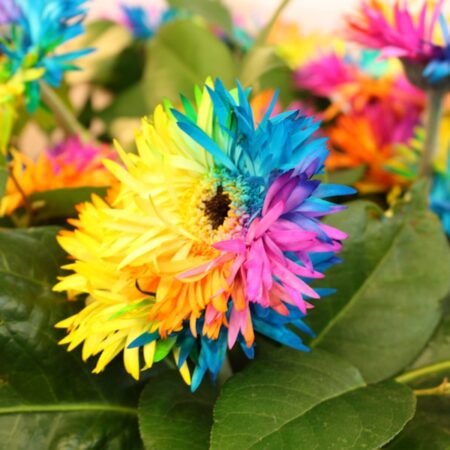

Ombre and gradient colour grading are two popular techniques used in various design fields, including fashion, interior design, and, of course, bouquet design. Ombre refers to a gradual blending of one color hue to another, usually from light to dark or vice versa. This technique creates a beautiful transition of colors that adds depth and dimension to any design. On the other hand, gradient colour grading involves the smooth transition of multiple colors, creating a seamless flow from one shade to another. Both techniques are visually stunning and can add a unique and modern touch to bouquet designs.
In bouquet design, ombre and gradient colour grading can be achieved using a variety of flowers and foliage. By carefully selecting the right combination of colors and arranging them in a strategic manner, florists can create stunning bouquets that showcase the beauty of these techniques. Understanding the principles of ombre and gradient colour grading is essential for creating visually appealing and harmonious bouquet designs that will leave a lasting impression.
Incorporating Ombre and Gradient Colour Grading in Bouquet Design
Incorporating ombre and gradient colour grading in bouquet design can elevate the overall aesthetic and create a sense of cohesion and harmony. When done correctly, these techniques can transform a simple bouquet into a work of art. One way to incorporate ombre and gradient colour grading in bouquet design is by carefully selecting flowers and foliage that naturally transition from one color to another. For example, using roses in varying shades of pink or purple can create a stunning ombre effect, while incorporating different types of foliage in complementary hues can achieve a beautiful gradient colour grading.
Another way to incorporate ombre and gradient colour grading in bouquet design is by arranging the flowers and foliage in a strategic manner. By carefully placing each element in the bouquet, florists can create a seamless transition of colors that flows effortlessly from one end to the other. This attention to detail can result in a visually striking bouquet that captures the eye and leaves a lasting impression on anyone who beholds it.
Choosing the Right Flowers for Ombre and Gradient Colour Grading
Choosing the right flowers for ombre and gradient colour grading is essential for achieving the desired effect in bouquet design. Certain flowers naturally lend themselves to these techniques due to their varying shades and hues. Roses, for example, come in a wide range of colors, making them perfect for creating ombre effects in bouquets. From light pink to deep red, roses can be arranged in a way that creates a beautiful transition of colors that is both visually stunning and elegant.
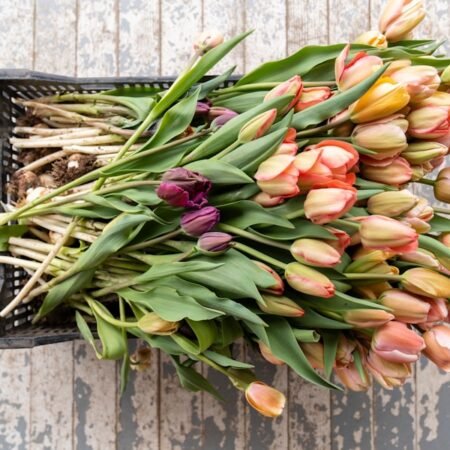
In addition to roses, other flowers such as carnations, tulips, and hydrangeas also offer a wide range of colors that can be used to achieve ombre and gradient colour grading in bouquet design. By carefully selecting a combination of flowers with varying shades and hues, florists can create bouquets that showcase the beauty of these techniques while also highlighting the natural beauty of the flowers themselves.
Techniques for Achieving Ombre and Gradient Colour Grading in Bouquets
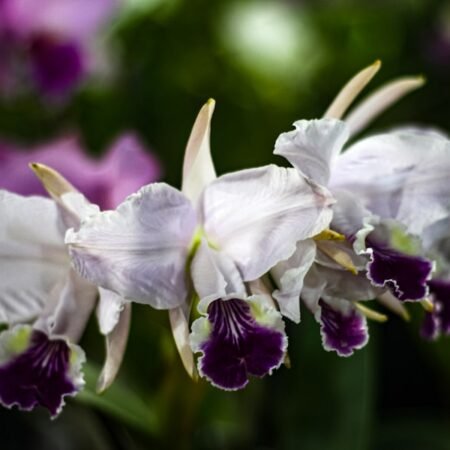
There are several techniques that florists can use to achieve ombre and gradient colour grading in bouquets. One common technique is to start with the lightest-colored flowers at the top of the bouquet and gradually transition to darker shades towards the bottom. This creates a beautiful ombre effect that draws the eye from one end of the bouquet to the other. Another technique is to use flowers with multiple shades on each petal, such as lilies or orchids, to create a natural gradient effect within the bouquet.
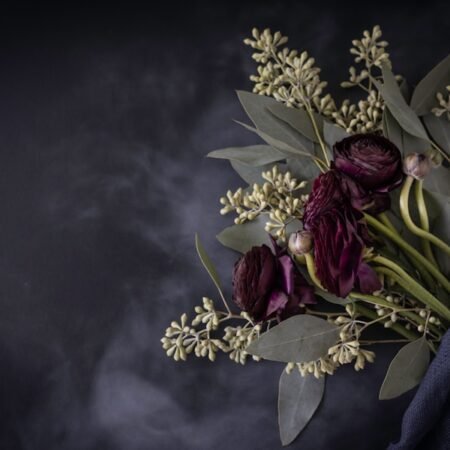
In addition to flower selection and arrangement, the use of foliage can also play a key role in achieving ombre and gradient colour grading in bouquets. By incorporating different types of foliage with varying shades of green or other colors, florists can create a seamless transition of colors that adds depth and dimension to the overall design. These techniques require careful attention to detail and an understanding of color theory to ensure that the final result is visually appealing and harmonious.
Tips for Balancing Ombre and Gradient Colour Grading in Bouquet Design
Balancing ombre and gradient colour grading in bouquet design is essential for creating visually appealing and harmonious arrangements. One tip for achieving balance is to use a variety of flower sizes and shapes to create depth and dimension within the bouquet. By incorporating larger blooms with darker shades towards the center of the arrangement and smaller, lighter-colored flowers towards the edges, florists can create a balanced ombre effect that is visually striking.
Another tip for balancing ombre and gradient colour grading in bouquet design is to consider the overall color palette of the arrangement. By selecting flowers and foliage that complement each other and work well together, florists can create bouquets that are cohesive and visually appealing. This may involve using a mix of warm and cool tones or incorporating complementary colors to achieve a balanced ombre or gradient effect.
Embracing Ombre and Gradient Colour Grading for Different Occasions
Ombre and gradient colour grading can be embraced for a wide range of occasions, from weddings and special events to everyday floral arrangements. For weddings, bouquets featuring ombre or gradient effects can add a modern and romantic touch to the overall aesthetic. Whether it’s a soft pastel ombre effect for a spring wedding or a bold, vibrant gradient for a summer celebration, these techniques can help create bouquets that are as unique as the couple themselves.
For special events such as birthdays or anniversaries, ombre and gradient colour grading can add an extra layer of sophistication and elegance to floral arrangements. By incorporating these techniques into bouquets, florists can create designs that stand out and make a lasting impression on recipients. Even for everyday floral arrangements, ombre and gradient colour grading can add a touch of artistry and creativity that elevates the overall aesthetic.
Embracing Ombre and Gradient Colour Grading as a Trend in Bouquet Design
Ombre and gradient colour grading have become increasingly popular as trends in bouquet design, with more florists embracing these techniques to create visually stunning arrangements. As consumers seek out unique and modern floral designs, ombre and gradient colour grading offer an innovative way to elevate traditional bouquets into works of art. This trend has been embraced by florists around the world, who are using these techniques to create bouquets that are as unique as they are beautiful.
In addition to being visually striking, ombre and gradient colour grading also offer florists an opportunity to showcase their creativity and artistry. By experimenting with different flower combinations, color palettes, and arrangement techniques, florists can create bouquets that push the boundaries of traditional floral design. As this trend continues to gain momentum, it’s clear that ombre and gradient colour grading will remain at the forefront of bouquet design for years to come.