
Allergies are a common health issue that affects millions of people worldwide. Allergies occur when the immune system overreacts to a substance that is normally harmless, such as pollen, dust, or pet dander. Pollen sensitivity, in particular, can cause a range of symptoms including sneezing, itchy eyes, runny nose, and even asthma attacks in severe cases. It’s important for allergy sufferers to be aware of their triggers and take steps to minimize their exposure to allergens.
Pollen sensitivity is especially problematic during the spring and summer months when plants are in bloom and pollen levels are at their highest. Different plants produce different types of pollen, and some individuals may be more sensitive to certain types than others. It’s important for allergy sufferers to be aware of the types of plants that are most likely to trigger their symptoms and take steps to minimize their exposure to these allergens.
Low-Pollen Floral Options for Allergy-Sensitive Homes
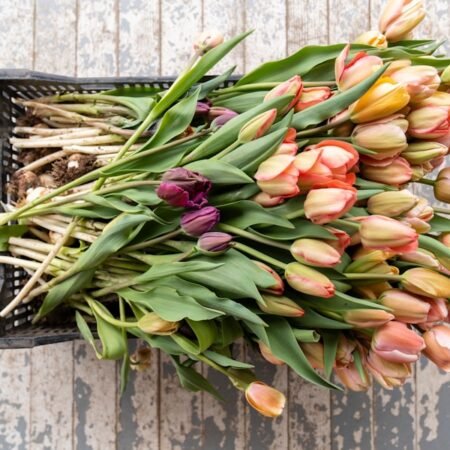
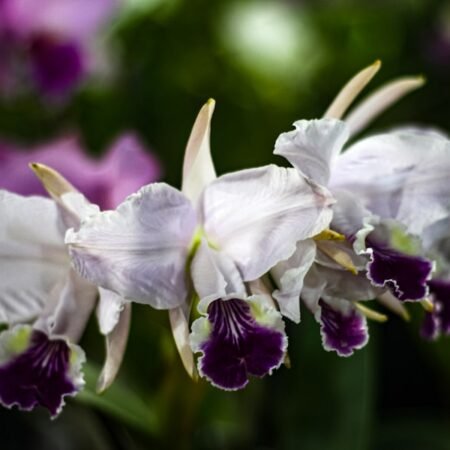
For allergy-sensitive homes, it’s important to choose low-pollen floral options that are less likely to trigger allergy symptoms. Some flowers produce more pollen than others, so it’s important to choose varieties that are less likely to cause problems for allergy sufferers. Some low-pollen floral options include roses, tulips, daffodils, and orchids. These flowers are less likely to produce large amounts of pollen and are therefore less likely to trigger allergy symptoms.
In addition to choosing low-pollen floral options, it’s also important to consider the way in which the flowers are arranged and displayed in the home. For example, placing flowers in a well-ventilated area can help to minimize the spread of pollen throughout the home. It’s also a good idea to remove any excess foliage or pollen from the flowers before bringing them indoors, as this can help to reduce the amount of allergens in the air.
Indoor Plants that Help Purify the Air
In addition to low-pollen floral options, there are also a number of indoor plants that can help to purify the air and improve indoor air quality. Some plants are particularly effective at removing common indoor air pollutants such as formaldehyde, benzene, and trichloroethylene. These plants can help to create a healthier indoor environment for allergy sufferers by reducing the levels of allergens and other irritants in the air.
Some indoor plants that are known for their air-purifying properties include spider plants, peace lilies, snake plants, and bamboo palms. These plants are relatively low-maintenance and can thrive in a variety of indoor environments. In addition to their air-purifying properties, these plants can also help to add a touch of natural beauty to the home, making them an ideal choice for allergy-sensitive households.
Non-Floral Gift Ideas for Allergy-Sensitive Homes
For allergy-sensitive homes, it’s important to consider non-floral gift ideas that won’t trigger allergy symptoms. There are a number of alternative gift options that can be just as thoughtful and meaningful as traditional floral arrangements. For example, scented candles, essential oils, and diffusers can all make great gifts for allergy sufferers. These items can help to create a pleasant and relaxing atmosphere in the home without triggering allergy symptoms.
Another non-floral gift idea for allergy-sensitive homes is a gift basket filled with allergy-friendly treats and snacks. Many allergy sufferers have dietary restrictions or food allergies, so a thoughtfully curated gift basket filled with allergen-free snacks can be a great way to show you care. Other non-floral gift ideas for allergy-sensitive homes include books, puzzles, and other forms of entertainment that don’t rely on flowers or plants.
Tips for Choosing Allergy-Friendly Floral Gifts
When choosing floral gifts for allergy-sensitive homes, there are a few important tips to keep in mind. First and foremost, it’s important to choose low-pollen floral options that are less likely to trigger allergy symptoms. Some flowers produce more pollen than others, so it’s important to choose varieties that are less likely to cause problems for allergy sufferers. Roses, tulips, daffodils, and orchids are all good choices for allergy-friendly floral gifts.
In addition to choosing low-pollen floral options, it’s also important to consider the way in which the flowers are arranged and displayed. For example, it’s best to avoid heavily scented flowers or arrangements with a lot of foliage, as these can exacerbate allergy symptoms. It’s also a good idea to remove any excess foliage or pollen from the flowers before bringing them indoors, as this can help to reduce the amount of allergens in the air.
Proper Care and Maintenance of Low-Pollen Flowers
Proper care and maintenance of low-pollen flowers is essential for ensuring that they remain allergy-friendly in the home. It’s important to keep the flowers well-watered and in a well-ventilated area to minimize the spread of pollen throughout the home. It’s also a good idea to remove any excess foliage or pollen from the flowers before bringing them indoors, as this can help to reduce the amount of allergens in the air.
In addition to regular watering and maintenance, it’s also important to keep an eye out for any signs of mold or mildew on the flowers or in the surrounding area. Mold and mildew can exacerbate allergy symptoms, so it’s important to address any issues promptly. If mold or mildew is present, it may be necessary to remove the affected flowers from the home in order to prevent further exposure.
Creating an Allergy-Sensitive Home Environment
In addition to choosing low-pollen floral options and non-floral gift ideas, there are a number of other steps that can be taken to create an allergy-sensitive home environment. For example, using high-quality air filters and regularly cleaning and dusting the home can help to reduce the levels of allergens in the air. It’s also a good idea to keep windows closed during high pollen seasons and use air conditioning instead.
In addition to these measures, it’s also important to consider the use of hypoallergenic bedding and other household items that can help to minimize exposure to allergens. For example, using allergen-proof pillow covers and mattress protectors can help to reduce exposure to dust mites and other common allergens. By taking these steps and being mindful of potential allergens in the home, it’s possible to create a comfortable and allergy-friendly environment for all residents.

Other Articles

Colorful Blooms: Matching Flower Gifts to Your Energy Levels
The Art of Gifting: Creating a Custom DIY Floral Arrangement Kit