
Indoor blooms can bring a touch of nature and beauty into your home all year round. However, in order to ensure that your indoor blooms thrive and bloom consistently, it is important to understand the importance of seasonal light. Different indoor blooms have varying light requirements, and by choosing the right plants for each season and understanding their light needs, you can create a stunning display of blooms in your home throughout the year.
Seasonal light plays a crucial role in the growth and blooming of indoor plants. As the seasons change, so does the amount and intensity of natural light that enters your home. Understanding how to maximize natural light and supplement it with artificial lighting when necessary can help you create an optimal environment for your indoor blooms to flourish. By carefully selecting the right plants for each season and providing them with the light they need, you can enjoy a continuous display of beautiful blooms in your home.
Choosing the Right Indoor Blooms for Each Season
When it comes to choosing indoor blooms for your home, it is important to consider the changing seasons and the varying light conditions that come with them. Different plants thrive in different seasons, so it is important to choose plants that are well-suited to the light conditions of each season. For example, in the winter months when natural light is limited, you may want to choose plants that are more tolerant of lower light levels, such as peace lilies, snake plants, or ZZ plants. These plants are well-suited to indoor environments and can thrive even in low light conditions.
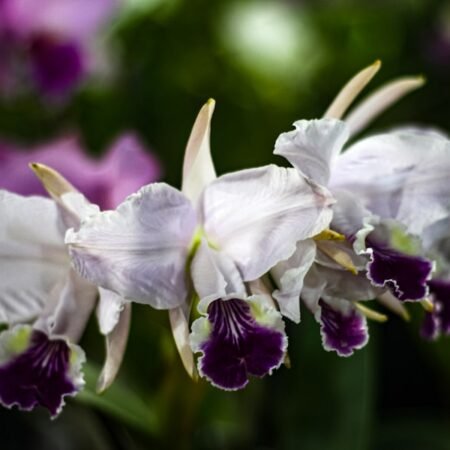
In the spring and summer months, when natural light is more abundant, you may want to choose plants that require brighter light to thrive, such as orchids, African violets, or jasmine. These plants will benefit from the increased sunlight and will reward you with vibrant blooms throughout the warmer months. By choosing the right indoor blooms for each season, you can ensure that your plants receive the light they need to thrive and bloom consistently throughout the year.
Understanding the Light Needs of Different Indoor Blooms
Different indoor blooms have varying light requirements, and understanding these needs is essential for creating a thriving indoor garden. Some plants thrive in bright, direct sunlight, while others prefer indirect or low light conditions. For example, succulents and cacti thrive in bright, direct sunlight and should be placed in a sunny window where they can receive at least six hours of sunlight per day. On the other hand, ferns and peace lilies prefer indirect or low light conditions and should be placed in a location with filtered or dappled sunlight.
It is also important to consider the intensity of light that different plants require. Some plants, such as African violets and orchids, require bright, indirect light, while others, such as snake plants and ZZ plants, can tolerate lower light levels. By understanding the light needs of different indoor blooms, you can ensure that your plants receive the appropriate amount and intensity of light to thrive and bloom.
Tips for Maximizing Natural Light in Your Home
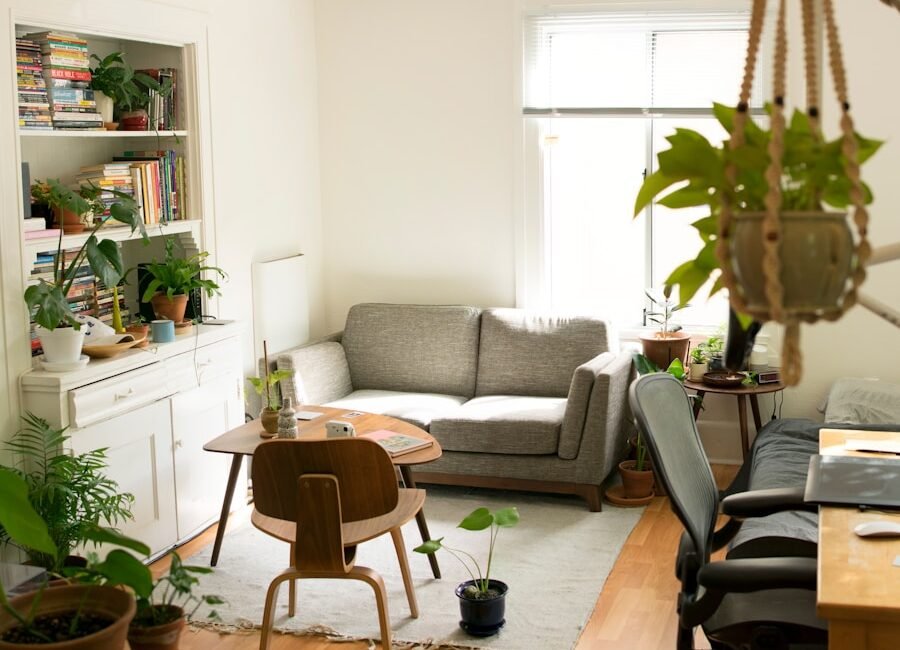
Maximizing natural light in your home is essential for creating an optimal environment for indoor blooms to thrive. There are several ways to maximize natural light in your home, starting with choosing the right location for your plants. Placing your indoor blooms in south-facing windows will provide them with the most sunlight throughout the day, while east-facing windows will provide gentle morning sunlight and west-facing windows will offer warm afternoon sunlight.
In addition to choosing the right location for your plants, it is important to keep windows clean and free from obstructions to allow as much natural light as possible to enter your home. Using sheer curtains or blinds can help diffuse harsh sunlight and prevent damage to your plants. You can also consider using reflective surfaces, such as mirrors or white walls, to bounce natural light around the room and provide more even lighting for your indoor blooms.
Supplementing Natural Light with Artificial Lighting
While maximizing natural light is important for indoor blooms, there are times when supplemental artificial lighting may be necessary to ensure that your plants receive the light they need to thrive. In areas with limited natural light, such as north-facing windows or rooms with tall buildings blocking sunlight, artificial lighting can help provide the necessary light for your indoor blooms to flourish.
When supplementing natural light with artificial lighting, it is important to choose the right type of light for your plants. Full-spectrum LED grow lights are an excellent choice for indoor blooms, as they provide a balanced spectrum of light that closely mimics natural sunlight. Positioning grow lights close to your plants and using a timer to ensure they receive 12-16 hours of light per day can help promote healthy growth and blooming.
Creating a Seasonal Blooming Schedule for Your Home
Creating a seasonal blooming schedule for your home can help you enjoy a continuous display of beautiful blooms throughout the year. By choosing the right indoor blooms for each season and understanding their light needs, you can create a stunning display of plants that bloom at different times of the year. For example, in the winter months, you may choose to showcase peace lilies and snake plants, while in the spring and summer months, you may feature orchids and African violets.
By carefully planning which plants to showcase in each season and providing them with the appropriate amount and intensity of light they need to thrive, you can create a beautiful seasonal blooming schedule for your home. This will not only add beauty and color to your living space but also provide you with a rewarding hobby that allows you to connect with nature throughout the year.
Enjoying the Beauty of Indoor Blooms All Year Round
In conclusion, understanding the importance of seasonal light for indoor blooms is essential for creating a thriving indoor garden that blooms consistently throughout the year. By choosing the right indoor blooms for each season and understanding their light needs, you can create a stunning display of plants that thrive in varying light conditions. Maximizing natural light in your home and supplementing it with artificial lighting when necessary can help create an optimal environment for your indoor blooms to flourish.
Creating a seasonal blooming schedule for your home allows you to enjoy a continuous display of beautiful blooms all year round. By carefully planning which plants to showcase in each season and providing them with the appropriate amount and intensity of light they need to thrive, you can create a beautiful and rewarding indoor garden that brings nature’s beauty into your home. With a little knowledge and planning, you can enjoy the beauty of indoor blooms throughout the year and create a peaceful and vibrant living space that nourishes both body and soul.