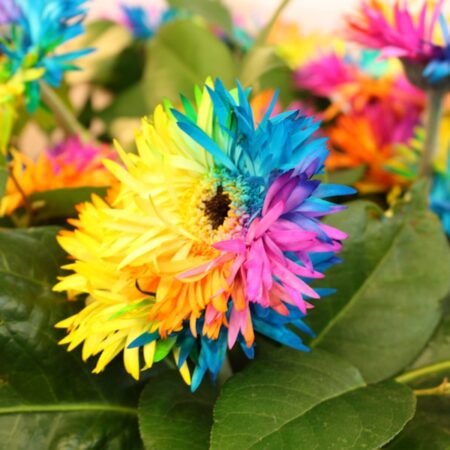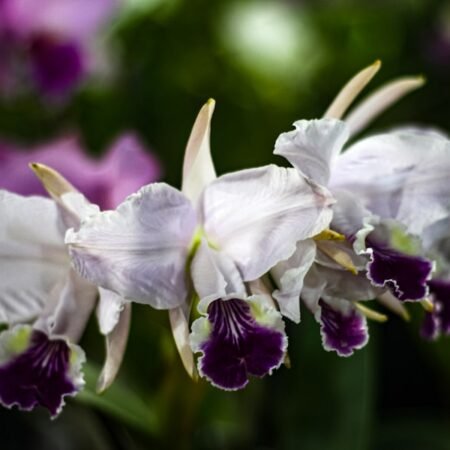

Cyclamen is a popular flowering plant that is known for its delicate, colorful blooms and heart-shaped leaves. It is native to the Mediterranean region and is a favorite among gardeners and indoor plant enthusiasts alike. Cyclamen comes in a variety of colors, including shades of pink, red, white, and purple, making it a versatile and attractive addition to any indoor space. The plant typically blooms in the fall and winter months, adding a pop of color to the home during the colder seasons. Cyclamen is relatively easy to care for, making it a great choice for both beginner and experienced plant owners.
Cyclamen plants are known for their unique tuberous roots, which store water and nutrients to help the plant survive during periods of drought. This makes them well-suited for indoor environments, as they can tolerate dry conditions better than many other houseplants. In addition to their beautiful flowers, cyclamen plants also have attractive foliage, with leaves that are often marbled or patterned in shades of green and silver. With the right care and attention, cyclamen can thrive indoors for many years, providing a long-lasting source of beauty and enjoyment.
Choosing the Right Cyclamen for Indoor Care
When selecting a cyclamen plant for indoor care, it is important to choose a healthy specimen that is well-suited to the conditions in your home. Look for plants with firm, healthy-looking leaves and plenty of flower buds. Avoid plants with yellowing or drooping leaves, as this may be a sign of stress or disease. It is also a good idea to choose a plant that is not yet in full bloom, as this will give you the opportunity to enjoy the full flowering period once you bring it home.
There are several different species and varieties of cyclamen available, each with its own unique characteristics and requirements. Some popular varieties include Cyclamen persicum, which is known for its large, showy flowers, and Cyclamen hederifolium, which has smaller, more delicate blooms. When choosing a cyclamen for indoor care, consider the size of your space and the amount of light it receives. Some varieties of cyclamen are more compact and better suited to small spaces, while others may require more room to spread out. Additionally, consider the color of the flowers and foliage, as well as any specific care requirements that may be associated with a particular variety.
Indoor Care Tips for Cyclamen
Cyclamen plants thrive in cool, bright conditions, making them well-suited for indoor care. When growing cyclamen indoors, it is important to provide them with the right environment to ensure their health and longevity. One of the most important factors to consider when caring for cyclamen indoors is light. These plants prefer bright, indirect light, so be sure to place them in a location where they will receive plenty of natural sunlight without being exposed to direct rays. A north or east-facing window is often ideal for cyclamen, as it provides gentle morning or afternoon light without the intense heat of direct sun.
In addition to light, temperature is another important consideration when caring for cyclamen indoors. These plants prefer cool temperatures, ideally between 50-65°F (10-18°C). Avoid placing cyclamen near heaters or radiators, as this can cause the air around the plant to become too warm and dry. Instead, choose a location with consistent, cool temperatures and good air circulation. If your home tends to be on the warmer side, consider placing the plant in a cooler room or using a fan to help maintain a comfortable environment for your cyclamen.
Watering and Humidity Needs
Proper watering is essential for the health and well-being of cyclamen plants. These plants prefer consistently moist soil, but they are also susceptible to root rot if they are overwatered. When watering cyclamen, it is important to strike a balance between keeping the soil moist and avoiding waterlogged conditions. Water your cyclamen when the top inch of soil feels dry to the touch, being careful not to let the soil dry out completely. Use room-temperature water and water the plant at the base, avoiding getting water on the leaves or flowers.
In addition to proper watering, humidity is another important factor to consider when caring for cyclamen indoors. These plants prefer high humidity levels, which can be challenging to achieve in many indoor environments. To increase humidity around your cyclamen plant, consider placing a tray filled with water and pebbles near the plant or using a humidifier in the room. Misting the leaves with water can also help to increase humidity levels around the plant. By providing your cyclamen with the right amount of moisture and humidity, you can help ensure that it remains healthy and vibrant throughout its blooming period.
Fertilizing and Repotting
Fertilizing is an important part of caring for cyclamen plants indoors, as it helps to provide them with the nutrients they need to thrive and produce beautiful blooms. During the growing season, which typically occurs in the fall and winter months, fertilize your cyclamen every 2-4 weeks with a balanced liquid fertilizer diluted to half strength. Be sure to follow the instructions on the fertilizer label carefully to avoid overfeeding your plant. Once the blooming period has ended and the plant enters a period of dormancy, you can stop fertilizing until new growth begins again.
Repotting is another aspect of indoor care that is important for maintaining the health and vitality of cyclamen plants. As cyclamen grows, it may become crowded in its pot and require repotting to provide it with more space to spread out its roots. Repot your cyclamen every 2-3 years in the fall after it has finished blooming. Choose a pot that is only slightly larger than the current one, as cyclamen prefers to be slightly root-bound. Use a well-draining potting mix that is rich in organic matter and provides good air circulation for the roots. When repotting your cyclamen, be sure to handle it carefully to avoid damaging the delicate tuberous roots.
Dealing with Pests and Diseases
Like all plants, cyclamen are susceptible to pests and diseases that can affect their health and appearance. One common pest that can affect cyclamen plants is spider mites, which are tiny insects that feed on the sap of the plant and can cause damage to the leaves and flowers. To prevent spider mites from infesting your cyclamen, be sure to keep the plant well-watered and provide it with plenty of humidity. If you do notice signs of spider mites on your plant, such as webbing or stippled leaves, you can treat them by spraying the plant with insecticidal soap or horticultural oil.
Another potential pest that can affect cyclamen plants is aphids, which are small insects that feed on the sap of the plant and can cause damage to the leaves and flowers. To prevent aphids from infesting your cyclamen, inspect your plant regularly for signs of infestation and treat any affected areas with insecticidal soap or horticultural oil. In addition to pests, cyclamen plants can also be susceptible to diseases such as powdery mildew and botrytis blight. To prevent these diseases from affecting your plant, be sure to provide it with good air circulation and avoid overwatering. If you do notice signs of disease on your cyclamen, such as white powdery spots on the leaves or flowers, treat them by removing affected areas and applying a fungicide as needed.
Extending the Blooming Period
Cyclamen plants typically bloom in the fall and winter months, providing a burst of color during the colder seasons. With proper care and attention, you can help extend the blooming period of your cyclamen plant, allowing you to enjoy its beautiful flowers for even longer. One way to extend the blooming period of your cyclamen is to deadhead spent flowers regularly. As flowers fade and wilt, remove them from the plant by gently pinching them off at the base of the stem. This will encourage the plant to produce new blooms and prolong its flowering period.
In addition to deadheading spent flowers, you can also help extend the blooming period of your cyclamen by providing it with proper care throughout its growing season. This includes ensuring that it receives adequate light, water, and humidity, as well as regular fertilization as needed. By providing your cyclamen with the right conditions and care, you can help ensure that it remains healthy and vibrant throughout its blooming period. With these tips in mind, you can enjoy the beauty of your cyclamen plant for many weeks or even months at a time.
In conclusion, cyclamen is a beautiful and versatile flowering plant that can thrive indoors with proper care and attention. By choosing the right variety for your space and providing it with adequate light, water, and humidity, you can enjoy its colorful blooms throughout its blooming period. With regular fertilization and repotting as needed, you can help ensure that your cyclamen remains healthy and vibrant for years to come. By taking steps to prevent pests and diseases and deadheading spent flowers regularly, you can help extend the blooming period of your cyclamen plant and enjoy its beauty for even longer. With these tips in mind, you can create a welcoming and vibrant indoor environment with cyclamen as a focal point.