
Light is an essential factor for the growth and development of indoor flowers. It is the primary source of energy for photosynthesis, the process by which plants convert light into chemical energy to fuel their growth. Without adequate light, indoor flowers may struggle to thrive and may exhibit stunted growth, pale leaves, and poor flowering. Different types of indoor flowers have varying light requirements, with some needing more intense light while others can thrive in lower light conditions. Understanding the specific light needs of your indoor flowers is crucial for providing them with the optimal growing environment.
In addition to providing energy for photosynthesis, light also plays a role in regulating the flowering and blooming cycles of indoor flowers. The duration and intensity of light exposure can influence the timing and abundance of flower production. For example, some indoor flowers require a certain amount of darkness to trigger flowering, while others may need extended periods of light to bloom. By understanding the importance of light for indoor flowers, you can create a suitable lighting environment that promotes healthy growth and abundant flowering.
Choosing the Right Artificial Lights for Indoor Flowers
When natural light is insufficient or unavailable, artificial lights can be used to supplement or replace natural sunlight for indoor flowers. There are several types of artificial lights available, each with its own unique characteristics and benefits. Fluorescent lights are a popular choice for indoor flower lighting due to their energy efficiency and broad spectrum of light. They are available in different color temperatures, including cool white and warm white, which can be selected based on the specific light needs of your indoor flowers. LED lights are another option for indoor flower lighting, offering long-lasting performance and customizable light spectrums. They are available in various colors and can be tailored to provide the ideal light spectrum for different stages of plant growth.
High-intensity discharge (HID) lights, such as metal halide and high-pressure sodium lights, are also commonly used for indoor flower lighting. They produce intense light that closely mimics natural sunlight and can promote vigorous growth and flowering in indoor flowers. When choosing the right artificial lights for your indoor flowers, it is important to consider factors such as light intensity, color spectrum, energy efficiency, and cost. By selecting the most suitable artificial lights for your indoor flowers, you can create an optimal lighting environment that supports their growth and flowering.
Setting Up the Ideal Lighting Environment for Indoor Flowers
Creating the ideal lighting environment for indoor flowers involves setting up the right combination of artificial lights, light fixtures, and positioning to ensure that plants receive adequate and uniform light coverage. The placement of artificial lights should be carefully considered to provide even light distribution and prevent shadowing or hot spots. Adjustable light fixtures can be used to direct light where it is needed most and accommodate the varying heights of different indoor flowers. Reflective surfaces, such as white walls or aluminum foil, can also be used to maximize light penetration and minimize light loss.
In addition to positioning artificial lights, it is important to consider the duration of light exposure for indoor flowers. Most indoor flowers require a minimum of 12-16 hours of light per day to support healthy growth and flowering. A timer can be used to automate the lighting schedule and ensure consistent light exposure for indoor flowers. By setting up the ideal lighting environment for your indoor flowers, you can provide them with the necessary light intensity and duration to thrive and bloom.
Adjusting Light Intensity and Duration for Different Types of Flowers
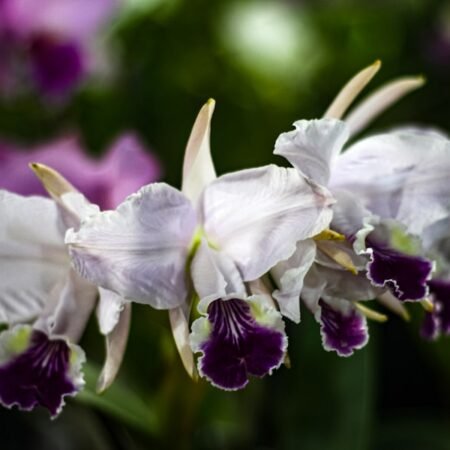
Different types of indoor flowers have varying light requirements, and it is important to adjust light intensity and duration based on their specific needs. Some indoor flowers, such as African violets and orchids, prefer lower light levels and may become stressed or damaged if exposed to intense light. On the other hand, flowering plants like roses and lilies may benefit from higher light intensities to promote robust growth and abundant flowering. By understanding the light preferences of different types of indoor flowers, you can tailor the lighting environment to meet their specific needs.
In addition to adjusting light intensity, it is also important to consider the duration of light exposure for different types of indoor flowers. Some plants may require longer periods of light to trigger flowering, while others may need extended periods of darkness to bloom. By monitoring the growth and flowering patterns of your indoor flowers, you can make informed adjustments to their lighting environment to optimize their development. By adjusting light intensity and duration based on the specific needs of different types of indoor flowers, you can create a customized lighting environment that supports their individual growth requirements.
Monitoring and Maintaining Indoor Flower Lighting
Once the lighting environment for indoor flowers has been established, it is important to monitor and maintain the artificial lights to ensure optimal performance. Regularly check the condition of light bulbs and fixtures to ensure that they are functioning properly and providing adequate light coverage. Replace any damaged or burnt-out bulbs promptly to prevent interruptions in light exposure for indoor flowers. Clean light fixtures and reflective surfaces regularly to remove dust and debris that can obstruct light penetration and reduce efficiency.
In addition to monitoring the condition of artificial lights, it is important to regularly assess the growth and development of indoor flowers to ensure that they are receiving sufficient light. Look for signs of stunted growth, pale leaves, or poor flowering, which may indicate inadequate light exposure. Adjust the lighting environment as needed to address any issues and provide optimal conditions for your indoor flowers. By monitoring and maintaining indoor flower lighting, you can ensure that plants receive consistent and effective light exposure to support their growth and flowering.
Troubleshooting Common Issues with Artificial Flower Lighting
Despite careful planning and maintenance, issues with artificial flower lighting may arise that can impact the growth and development of indoor flowers. Common problems include uneven light distribution, inadequate light intensity, or incorrect light spectrum for specific plant requirements. To troubleshoot these issues, assess the positioning and condition of artificial lights to identify any potential sources of inconsistency or inefficiency. Adjust the placement of lights or use additional fixtures to improve light distribution and coverage for indoor flowers.
If issues persist, consider upgrading or replacing artificial lights with more suitable options that better meet the specific needs of your indoor flowers. Consult with knowledgeable professionals or resources to seek advice on resolving complex lighting issues and optimizing the growing environment for your indoor flowers. By troubleshooting common issues with artificial flower lighting, you can address any challenges that may arise and create an optimal lighting environment that supports healthy growth and abundant flowering.
Maximizing the Benefits of Indoor Flower Lighting with Artificial Lights
By utilizing artificial lights effectively, you can maximize the benefits of indoor flower lighting and create an optimal growing environment that promotes healthy growth and abundant flowering. Customizing the lighting environment based on the specific needs of different types of indoor flowers allows you to provide them with the ideal conditions for their development. By adjusting light intensity and duration as needed, you can support the growth and flowering cycles of indoor flowers to ensure their overall health and vitality.
Regular monitoring and maintenance of artificial lights help ensure consistent and effective light exposure for indoor flowers, preventing interruptions in their growth and development. Troubleshooting common issues with artificial flower lighting allows you to address any challenges that may arise and optimize the growing environment for your indoor flowers. By maximizing the benefits of indoor flower lighting with artificial lights, you can create a thriving indoor garden filled with healthy, vibrant plants that bring beauty and joy into your home.
In conclusion, understanding the importance of light for indoor flowers is crucial for creating an optimal growing environment that supports healthy growth and abundant flowering. Choosing the right artificial lights based on their unique characteristics allows you to provide suitable light intensity and spectrum for different types of indoor flowers. Setting up an ideal lighting environment involves careful positioning of artificial lights, reflective surfaces, and automated timers to ensure consistent light exposure. Adjusting light intensity and duration based on specific plant requirements allows you to tailor the lighting environment to meet individual needs.
Monitoring and maintaining indoor flower lighting helps ensure consistent and effective light exposure for plants, while troubleshooting common issues allows you to address any challenges that may arise in their development. By maximizing the benefits of indoor flower lighting with artificial lights, you can create a thriving indoor garden filled with healthy, vibrant plants that bring beauty and joy into your home. With careful planning and attention to detail, you can create an optimal growing environment that supports healthy growth and abundant flowering for your indoor flowers using artificial lights.