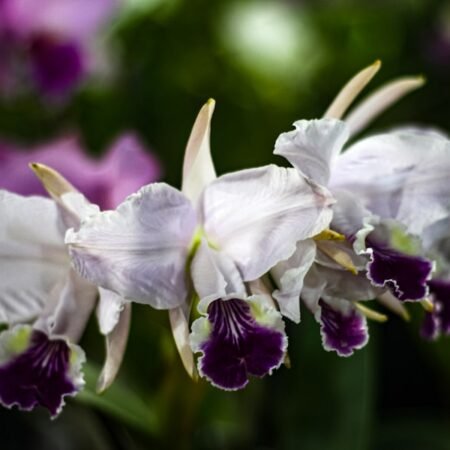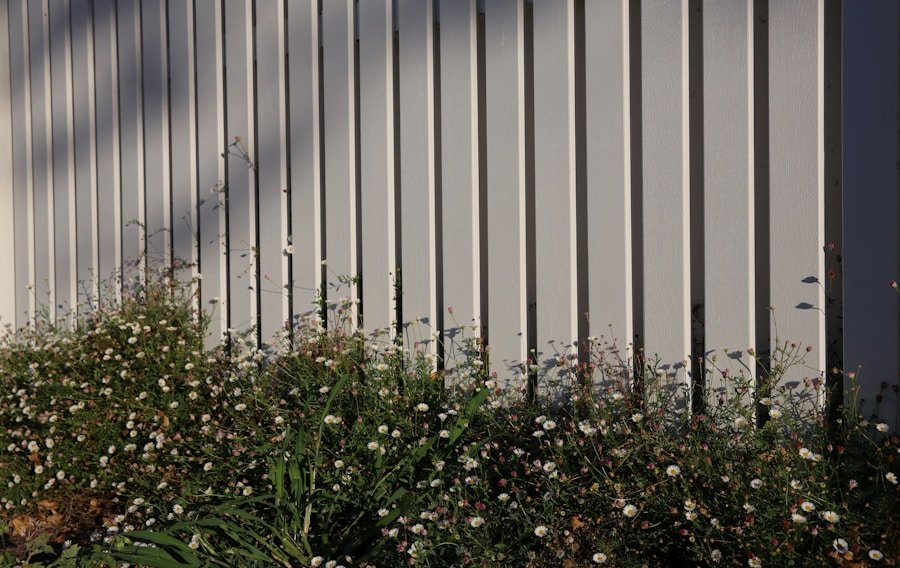

Seasonal flower gardening is a delightful and rewarding activity that allows individuals to cultivate a vibrant and ever-changing garden throughout the year. By carefully selecting and planting flowers that bloom during specific seasons, gardeners can create a visually stunning landscape that evolves with the changing weather. Whether it’s the bright and cheerful blooms of spring, the lush and verdant foliage of summer, the fiery hues of autumn, or the delicate beauty of winter, seasonal flower gardening offers a diverse and dynamic canvas for gardeners to express their creativity and passion for nature.
In addition to the aesthetic appeal, seasonal flower gardening also provides numerous benefits for wildlife conservation. By choosing native and pollinator-friendly plants, gardeners can create a habitat that supports a diverse array of wildlife, including birds, butterflies, bees, and other beneficial insects. This not only enhances the ecological balance of the garden but also contributes to the overall health and sustainability of the local ecosystem. In this article, we will explore the many advantages of seasonal flower gardening for wildlife conservation, as well as provide tips for selecting colorful and sustainable flowers, creating a wildlife-friendly habitat, and attracting pollinators and beneficial insects.
Benefits of Seasonal Flower Gardening for Wildlife Conservation
Seasonal flower gardening plays a crucial role in wildlife conservation by providing essential resources for a wide range of species. Native plants are particularly important for supporting local wildlife, as they have co-evolved with native insects and animals and provide the necessary food and shelter for their survival. By incorporating native flowers into their gardens, individuals can help preserve biodiversity and create a thriving ecosystem that benefits both wildlife and humans. In addition to supporting native species, seasonal flower gardening also attracts pollinators such as bees, butterflies, and hummingbirds, which play a vital role in the reproduction of many plants.
Furthermore, seasonal flower gardening can help mitigate the impact of habitat loss and fragmentation by providing additional sources of food and shelter for wildlife. As natural habitats continue to be threatened by urbanization and agricultural expansion, gardens have become increasingly important as refuges for wildlife. By creating a wildlife-friendly habitat in their own backyard, gardeners can contribute to the conservation of local species and help maintain healthy and resilient ecosystems. In this way, seasonal flower gardening serves as a powerful tool for promoting biodiversity and fostering a deeper connection with nature.
Choosing Colorful and Sustainable Flowers for Seasonal Gardening
When selecting flowers for seasonal gardening, it is important to choose species that are not only visually appealing but also sustainable and beneficial for wildlife. Native plants are an excellent choice for seasonal gardens, as they are well-adapted to the local climate and soil conditions, require minimal maintenance, and provide valuable resources for native wildlife. Additionally, native plants are often more resistant to pests and diseases, reducing the need for chemical pesticides and fertilizers that can harm the environment.
In addition to native plants, gardeners can also choose non-invasive exotic species that are well-suited to the local climate and do not pose a threat to native ecosystems. When selecting flowers for seasonal gardening, it is important to consider their bloom time, height, color, and fragrance to create a diverse and visually appealing garden that provides continuous blooms throughout the year. By carefully planning and selecting a variety of flowers that bloom in different seasons, gardeners can create a vibrant and ever-changing landscape that attracts a wide range of pollinators and beneficial insects.
Creating a Wildlife-Friendly Habitat with Seasonal Flower Gardening
Creating a wildlife-friendly habitat with seasonal flower gardening involves more than just planting flowers; it requires careful planning and consideration of the needs of local wildlife. To attract a diverse array of species, gardeners should incorporate a variety of plants that provide food, shelter, and nesting sites for wildlife. This can include nectar-rich flowers for pollinators, berry-producing shrubs for birds, and host plants for butterfly larvae. By creating a diverse and multi-layered habitat that mimics natural ecosystems, gardeners can support a wide range of wildlife and promote ecological balance in their gardens.
In addition to planting a variety of flowers and shrubs, gardeners can also incorporate other elements into their gardens to enhance wildlife habitat. This can include installing bird feeders, bird baths, and nesting boxes to attract and support birds, as well as creating water features such as ponds or small streams to provide drinking water for wildlife. By incorporating these elements into their gardens, individuals can create a welcoming and nurturing environment for local wildlife while enjoying the beauty and tranquility of nature in their own backyard.
Maintenance and Care Tips for Seasonal Flower Gardens
Maintaining a healthy and vibrant seasonal flower garden requires regular care and attention to ensure that plants thrive and continue to support local wildlife. This includes watering plants as needed, removing weeds, deadheading spent blooms, and fertilizing plants with organic materials to promote healthy growth. It is also important to monitor plants for signs of pests or diseases and take appropriate measures to control them without harming beneficial insects or wildlife.
In addition to regular maintenance tasks, gardeners should also consider the long-term sustainability of their gardens by practicing water conservation, reducing chemical inputs, and promoting soil health. This can include using mulch to retain moisture and suppress weeds, composting organic materials to improve soil fertility, and using natural pest control methods such as companion planting or introducing beneficial insects. By adopting sustainable gardening practices, individuals can create healthy and resilient gardens that support local wildlife while minimizing their impact on the environment.
Attracting Pollinators and Beneficial Insects with Seasonal Flower Gardening
One of the most rewarding aspects of seasonal flower gardening is the opportunity to attract pollinators such as bees, butterflies, and hummingbirds, as well as beneficial insects such as ladybugs and lacewings. These creatures play a vital role in pollinating plants, controlling pests, and maintaining ecological balance in the garden. By selecting flowers that provide nectar, pollen, and host plants for these insects, gardeners can create a welcoming environment that supports a diverse array of pollinators and beneficial insects.
To attract pollinators and beneficial insects with seasonal flower gardening, it is important to choose a variety of flowers that bloom at different times throughout the year. This ensures that there is a continuous supply of nectar and pollen for pollinators from early spring to late fall. Additionally, incorporating native plants into the garden is essential for attracting native pollinators and beneficial insects that have co-evolved with these plants. By creating a diverse and abundant source of food for pollinators and beneficial insects, gardeners can help support these vital creatures while enjoying the beauty of their gardens.
Embracing Sustainable Practices in Seasonal Flower Gardening
In conclusion, seasonal flower gardening offers numerous benefits for wildlife conservation by providing essential resources for native species, attracting pollinators and beneficial insects, creating wildlife-friendly habitats, and promoting biodiversity. By carefully selecting colorful and sustainable flowers, creating a diverse habitat that supports local wildlife, practicing sustainable maintenance techniques, and attracting pollinators and beneficial insects, gardeners can play an active role in preserving biodiversity and fostering a deeper connection with nature.
As we continue to face environmental challenges such as habitat loss, climate change, and declining biodiversity, embracing sustainable practices in seasonal flower gardening has become increasingly important. By incorporating native plants, reducing chemical inputs, conserving water, promoting soil health, and supporting local wildlife, individuals can make a positive impact on the environment while enjoying the beauty and tranquility of their gardens. Through thoughtful planning and mindful stewardship of our gardens, we can create vibrant and sustainable landscapes that benefit both people and wildlife for generations to come.