
Humidity plays a crucial role in the growth and health of indoor flower plants. It refers to the amount of moisture present in the air, and it can have a significant impact on the ability of plants to thrive. When the humidity levels are too low, plants can suffer from dehydration, wilting, and stunted growth. On the other hand, excessive humidity can lead to mold, mildew, and other fungal diseases that can harm the plants. Therefore, it is essential to understand the importance of maintaining optimal humidity levels for indoor flower plants to ensure their well-being.
In addition to affecting the physical health of plants, humidity also plays a role in their ability to absorb nutrients and water from the soil. When the air is too dry, plants may struggle to take in the moisture they need to survive, leading to nutrient deficiencies and poor growth. Conversely, high humidity can create an environment where water cannot evaporate from the soil, leading to root rot and other issues. By understanding the impact of humidity on indoor flower plants, you can take steps to create an environment that promotes their overall health and vitality.
Choosing the Right Indoor Flower Plants for Your Environment
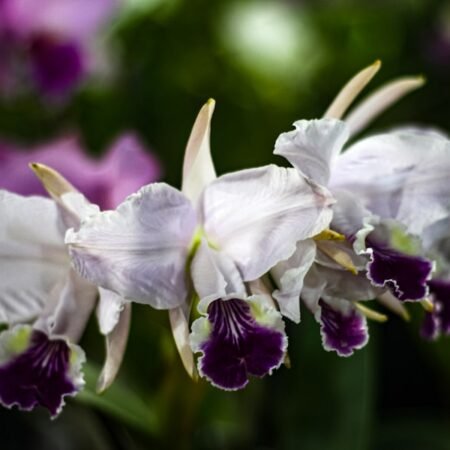
When selecting indoor flower plants for your home or office, it is essential to consider the specific environmental conditions, including humidity levels. Some plants are more tolerant of low humidity, while others thrive in high-humidity environments. For example, tropical plants such as orchids, ferns, and peace lilies prefer higher humidity levels and may struggle in drier conditions. On the other hand, succulents and cacti are better suited to low-humidity environments and can thrive with minimal moisture in the air.
In addition to considering humidity levels, it is also important to choose indoor flower plants that are well-suited to the amount of natural light available in your space. Some plants require direct sunlight, while others can thrive in low-light conditions. By selecting plants that are compatible with your environment, you can create an indoor garden that is more likely to flourish. Additionally, consider the size of the space and the amount of care and maintenance you are willing to provide when choosing indoor flower plants. By taking these factors into account, you can select plants that will thrive in your specific environment.
Tips for Increasing Humidity in Dry Environments
In dry environments, it can be challenging to maintain optimal humidity levels for indoor flower plants. However, there are several strategies you can use to increase humidity and create a more favorable environment for your plants. One effective method is to use a humidifier to add moisture to the air. By placing a humidifier near your plants, you can create a more humid microclimate that will help them thrive. Additionally, you can group your plants together to create a more humid environment. As plants release moisture through their leaves, clustering them together can help increase humidity levels in their immediate vicinity.
Another way to increase humidity in dry environments is to mist your plants regularly. Using a spray bottle filled with water, lightly mist the leaves of your indoor flower plants to provide them with additional moisture. This can help prevent dehydration and keep your plants healthy and vibrant. Additionally, you can place a tray of water near your plants to increase humidity. As the water evaporates, it will add moisture to the air and create a more favorable environment for your indoor flower plants.
Tips for Decreasing Humidity in Damp Environments
In damp environments, it is essential to take steps to decrease humidity levels to prevent mold, mildew, and other issues that can harm indoor flower plants. One effective way to reduce humidity is to improve ventilation in your space. By opening windows and using fans, you can promote air circulation and help reduce moisture in the air. Additionally, using a dehumidifier can help remove excess moisture from the air and create a more favorable environment for your plants.
Another strategy for decreasing humidity in damp environments is to avoid overwatering your indoor flower plants. Excessive watering can lead to waterlogged soil and high humidity levels, which can create an environment where mold and mildew thrive. By allowing the soil to dry out between waterings and using well-draining pots, you can help prevent excessive moisture in the air. Additionally, you can use a hygrometer to monitor humidity levels in your space and take action if they become too high. By taking these steps, you can create a healthier environment for your indoor flower plants.
Using Humidity Control Devices for Optimal Flower Plant Growth
In addition to natural methods for controlling humidity, there are also several devices available that can help you maintain optimal conditions for your indoor flower plants. One popular option is a digital hygrometer, which measures the relative humidity in your space and provides real-time data that can help you make informed decisions about how to adjust humidity levels. By using a hygrometer, you can ensure that your indoor flower plants are receiving the right amount of moisture for their specific needs.
Another useful device for controlling humidity is a humidistat, which is a device that automatically regulates humidity levels in your space. By setting a desired humidity level, a humidistat can activate a humidifier or dehumidifier as needed to maintain optimal conditions for your indoor flower plants. This can be especially helpful in environments where humidity levels fluctuate throughout the day or in spaces where it is challenging to maintain consistent conditions. By using these devices, you can take a proactive approach to controlling humidity and create an environment that promotes the health and vitality of your indoor flower plants.
Monitoring and Adjusting Humidity Levels for Maximum Plant Health
Once you have implemented strategies for controlling humidity in your space, it is essential to monitor levels regularly and make adjustments as needed to ensure optimal conditions for your indoor flower plants. By using a hygrometer or humidistat, you can track changes in humidity and take action if levels become too high or too low. Additionally, pay attention to the appearance of your plants, as wilting or yellowing leaves can be signs of inadequate or excessive moisture in the air.
If you notice that humidity levels are too low, consider using a humidifier or misting your plants more frequently to increase moisture in the air. On the other hand, if humidity levels are too high, take steps to improve ventilation and reduce moisture in your space. By staying vigilant and making adjustments as needed, you can create an environment that promotes maximum plant health and ensures that your indoor flower plants thrive.
Troubleshooting Common Humidity-related Issues for Indoor Flower Plants
Despite your best efforts to control humidity levels, you may encounter common issues related to moisture that can affect the health of your indoor flower plants. One common problem is mold or mildew growth on plant leaves or soil, which can be caused by excessive humidity. To address this issue, increase ventilation in your space and reduce moisture levels by using a dehumidifier or misting your plants less frequently.
Another common issue related to humidity is wilting or yellowing leaves, which can be caused by inadequate moisture in the air. If you notice these symptoms in your indoor flower plants, consider using a humidifier or misting them more frequently to increase humidity levels and provide them with the moisture they need to thrive.
In conclusion, maintaining optimal humidity levels is essential for the health and vitality of indoor flower plants. By understanding the impact of humidity on plant growth and taking proactive steps to control moisture levels in your space, you can create an environment that promotes maximum plant health. Whether you need to increase or decrease humidity, there are several strategies and devices available that can help you create a more favorable environment for your indoor flower plants. By monitoring humidity levels regularly and making adjustments as needed, you can ensure that your plants receive the right amount of moisture for their specific needs and thrive in their indoor environment.