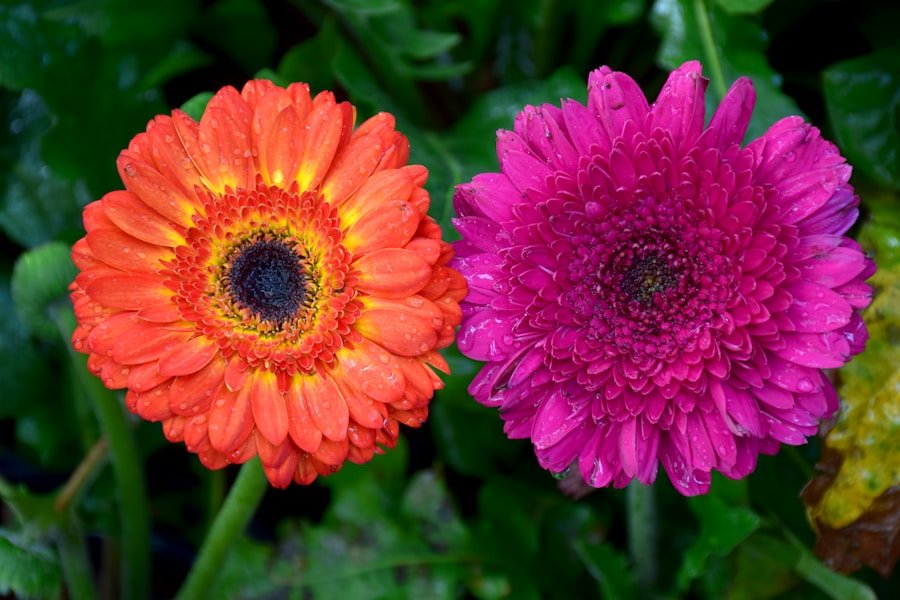

Flowers have been used for centuries to convey messages and emotions. The language of flowers, also known as floriography, is a way of communicating through the use of different blooms and their symbolic meanings. One important aspect of floriography is the form of the flowers themselves. Floral forms can be categorized into two main types: frilly and sleek. Frilly flower forms are characterized by their intricate, layered petals and abundant, voluminous appearance. On the other hand, sleek flower forms are defined by their smooth, streamlined petals and minimalist, elegant appearance. Understanding the differences between these two types of floral forms is essential for creating meaningful and impactful floral arrangements.
Floral forms play a crucial role in the overall aesthetic of a bouquet or arrangement. Frilly flower forms, such as peonies, roses, and ranunculus, exude a sense of opulence and romance. Their lush, layered petals create a sense of abundance and luxury, making them perfect for creating lavish and extravagant floral displays. On the other hand, sleek flower forms, such as lilies, orchids, and tulips, convey a more modern and sophisticated aesthetic. Their clean lines and minimalist appearance make them ideal for creating sleek and contemporary floral arrangements. By understanding the aesthetic differences between frilly and sleek flower forms, florists and enthusiasts can create floral designs that perfectly capture the desired mood and style.
Frilly vs. Sleek: Exploring the Aesthetic Differences
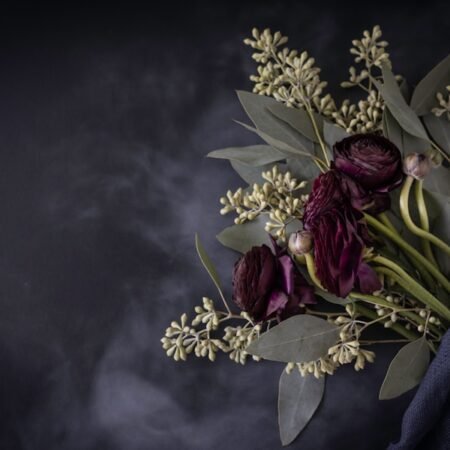
Frilly flower forms are characterized by their intricate and voluminous appearance. These blooms often have multiple layers of petals that create a sense of fullness and abundance. Flowers such as peonies, roses, and ranunculus are prime examples of frilly flower forms. Their lush and opulent appearance makes them perfect for creating romantic and extravagant floral arrangements. Frilly flower forms are often associated with femininity, luxury, and abundance, making them popular choices for weddings, special occasions, and romantic gestures.
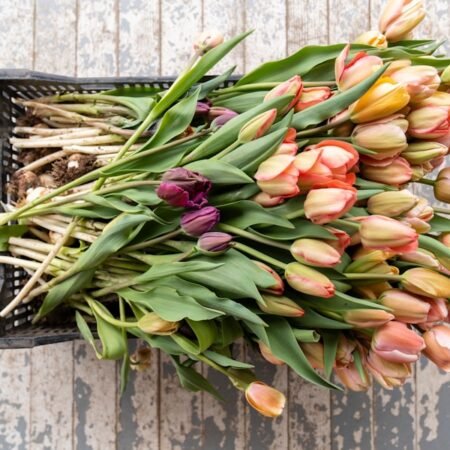
On the other hand, sleek flower forms are defined by their smooth and streamlined appearance. These blooms typically have simple, unadorned petals that create a sense of elegance and sophistication. Flowers such as lilies, orchids, and tulips are classic examples of sleek flower forms. Their minimalist and modern aesthetic makes them ideal for creating contemporary and refined floral arrangements. Sleek flower forms are often associated with purity, grace, and modernity, making them popular choices for corporate events, minimalist designs, and modern interiors.
The Symbolism of Frilly Flower Forms
Frilly flower forms hold a rich symbolism that is deeply rooted in history and culture. These blooms are often associated with themes of romance, femininity, and abundance. For example, peonies are often seen as symbols of love, prosperity, and good fortune in many Asian cultures. Their lush and opulent appearance has made them popular choices for weddings and special occasions. Similarly, roses are widely regarded as symbols of love and passion in Western culture. Their intricate layers of petals convey a sense of romance and luxury, making them timeless symbols of affection and desire.
In addition to their romantic symbolism, frilly flower forms are also associated with themes of femininity and beauty. Flowers such as ranunculus and hydrangeas are often seen as symbols of grace, elegance, and femininity. Their abundant and voluminous appearance evokes a sense of luxury and opulence, making them popular choices for creating lavish and extravagant floral displays. Understanding the symbolism of frilly flower forms is essential for creating floral arrangements that effectively convey messages of love, beauty, and abundance.
The Symbolism of Sleek Flower Forms
Sleek flower forms hold a distinct symbolism that is often associated with themes of purity, elegance, and modernity. These blooms are characterized by their clean lines and minimalist appearance, making them popular choices for creating contemporary and refined floral arrangements. For example, lilies are often seen as symbols of purity, virtue, and renewal in many cultures. Their sleek and elegant appearance conveys a sense of grace and sophistication, making them ideal for creating minimalist and modern floral designs.
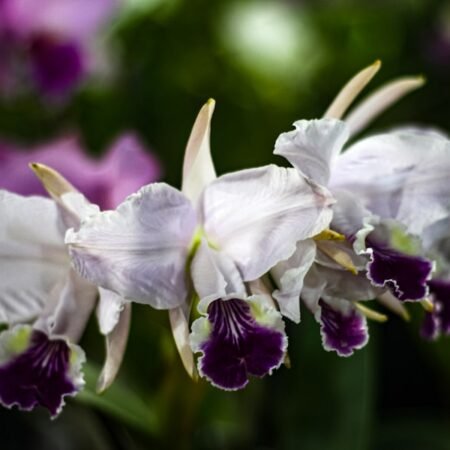
Similarly, orchids are widely regarded as symbols of luxury, beauty, and strength in many cultures. Their sleek and exotic appearance has made them popular choices for creating elegant and sophisticated floral arrangements. Orchids are often associated with themes of refinement, grace, and resilience, making them timeless symbols of beauty and strength. Understanding the symbolism of sleek flower forms is essential for creating floral arrangements that effectively convey messages of purity, elegance, and modernity.
How to Incorporate Frilly and Sleek Flower Forms in Floral Arrangements
Incorporating frilly and sleek flower forms in floral arrangements requires a thoughtful approach to design and composition. When working with frilly flower forms such as peonies, roses, or ranunculus, it is important to create arrangements that highlight their lush and opulent appearance. These blooms are best showcased in lavish and extravagant designs that evoke a sense of romance and abundance. Consider pairing frilly flower forms with complementary foliage and filler flowers to create a sense of fullness and volume in the arrangement.
On the other hand, when working with sleek flower forms such as lilies, orchids, or tulips, it is important to create arrangements that emphasize their clean lines and minimalist appearance. These blooms are best showcased in contemporary and refined designs that convey a sense of elegance and sophistication. Consider using sleek flower forms in monochromatic or minimalist arrangements to create a modern and stylish look. By understanding how to effectively incorporate frilly and sleek flower forms in floral arrangements, florists can create designs that perfectly capture the desired aesthetic and symbolism.
Understanding the Cultural and Historical Significance of Flower Forms
The cultural and historical significance of flower forms is deeply rooted in traditions, customs, and symbolism from around the world. Different cultures have long held specific meanings for various flower forms based on their appearance and characteristics. For example, in Victorian England, floriography was used as a means of communication through the exchange of flowers with hidden meanings. The language of flowers was used to convey messages that were otherwise considered taboo or inappropriate to express openly.
In many Asian cultures, certain flower forms hold significant symbolism in traditional ceremonies and rituals. For example, the lotus flower is highly revered in many Asian countries for its association with purity, enlightenment, and rebirth. Its sleek and elegant form has made it a timeless symbol of spiritual growth and transformation. Understanding the cultural and historical significance of flower forms is essential for creating floral arrangements that effectively convey messages that are meaningful and culturally appropriate.
Decoding the Meaning Behind Frilly and Sleek Shapes in Different Flower Varieties
The meaning behind frilly and sleek shapes in different flower varieties can vary widely based on cultural traditions and historical symbolism. For example, in Western cultures, frilly flower forms such as roses are often associated with themes of love, passion, and romance. Their intricate layers of petals convey a sense of opulence and luxury that make them popular choices for weddings and special occasions. On the other hand, in Eastern cultures, frilly flower forms such as peonies are often seen as symbols of prosperity, good fortune, and beauty.
Similarly, the meaning behind sleek shapes in different flower varieties can also vary based on cultural traditions and historical symbolism. For example, in many cultures around the world, lilies are often seen as symbols of purity, virtue, and renewal due to their sleek and elegant appearance. Their clean lines convey a sense of grace and sophistication that make them popular choices for creating minimalist and modern floral arrangements. Understanding the meaning behind frilly and sleek shapes in different flower varieties is essential for creating floral designs that effectively convey messages that are culturally relevant and meaningful.
In conclusion, the language of flowers encompasses a wide range of symbolic meanings that are conveyed through different floral forms. Frilly flower forms exude a sense of opulence, romance, and abundance while sleek flower forms convey a more modern, sophisticated aesthetic. Understanding the aesthetic differences between these two types of floral forms is essential for creating meaningful floral arrangements that effectively capture the desired mood and style. Additionally, understanding the cultural and historical significance of flower forms is crucial for creating designs that are culturally appropriate and meaningful. By decoding the meaning behind frilly and sleek shapes in different flower varieties, florists can create floral arrangements that effectively convey messages that are rich in symbolism and cultural significance.

Other Articles

Saying Sorry with Flowers: The Art of Apology Bouquets