Understanding the importance of seasonal color palettes is crucial for creating a visually stunning and dynamic garden throughout the year. Each season brings its own unique color scheme, and by incorporating plants and flowers that align with these palettes, you can create a garden that evolves and changes with the passing months. In the spring, pastel shades and vibrant greens dominate the landscape, while summer brings bold and bright hues. Fall is characterized by warm, earthy tones, and winter often features cool, muted colors. By paying attention to these seasonal shifts in color, you can ensure that your garden remains visually appealing and engaging all year long.
Furthermore, seasonal color palettes can also have a significant impact on the overall mood and atmosphere of your garden. For example, spring colors can evoke feelings of renewal and freshness, while fall hues may create a sense of warmth and coziness. By strategically incorporating plants and flowers that align with these seasonal palettes, you can create a garden that not only looks beautiful but also elicits specific emotional responses from those who experience it. This understanding of the psychological effects of color can help you create a garden that is not only visually stunning but also deeply impactful on an emotional level.
Choosing the Right Plants for Each Season
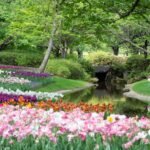
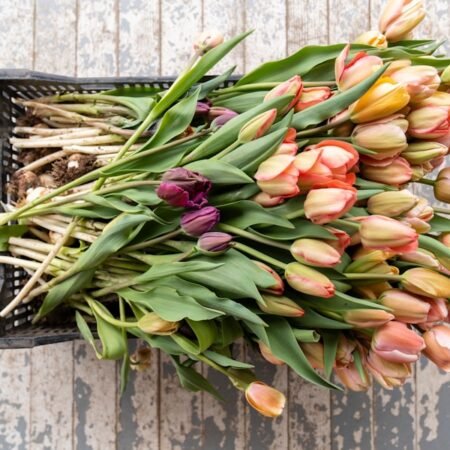
Choosing the right plants for each season is essential for maintaining a vibrant and thriving garden year-round. Different plants thrive in different seasons, so it’s important to select varieties that will flourish during specific times of the year. For example, spring-blooming bulbs like tulips and daffodils are perfect for adding pops of color to your garden in the early months, while summer annuals such as petunias and zinnias can provide a burst of vibrant hues during the warmer months. In the fall, consider incorporating plants like chrysanthemums and asters for their rich, autumnal colors, and in winter, evergreen shrubs and trees can provide structure and interest to your garden even when other plants are dormant.
Additionally, when choosing plants for each season, it’s important to consider factors such as sunlight exposure, soil type, and water requirements. By selecting plants that are well-suited to your specific growing conditions, you can ensure that they will thrive and contribute to the overall beauty of your garden. It’s also important to consider the longevity of each plant’s bloom or foliage, as some varieties may only provide visual interest for a short period of time, while others may offer year-round appeal. By carefully selecting a diverse range of plants that complement each other throughout the seasons, you can create a garden that is constantly evolving and captivating.
Creating a Cohesive Design with Complementary Colors
Creating a cohesive design with complementary colors is essential for ensuring that your garden remains visually appealing and harmonious throughout the year. By strategically pairing plants and flowers with complementary colors, you can create a sense of balance and unity within your garden. Complementary colors are those that are opposite each other on the color wheel, such as red and green, blue and orange, or yellow and purple. When used together, these colors can create a dynamic and visually striking effect that draws the eye and creates a sense of harmony.
In addition to using complementary colors, it’s also important to consider the overall color scheme of your garden and how different hues will interact with each other. For example, warm colors like reds, oranges, and yellows can create a sense of energy and excitement, while cool colors like blues, greens, and purples can evoke feelings of calm and tranquility. By carefully considering how different colors will work together within your garden’s design, you can create a space that is not only visually stunning but also emotionally impactful. Additionally, by incorporating a variety of textures and shapes within your plantings, you can further enhance the overall visual interest and cohesiveness of your garden design.
Incorporating Foliage and Texture for Visual Interest
Incorporating foliage and texture into your garden design is essential for creating visual interest and depth throughout the year. While flowers may provide bursts of color during specific seasons, foliage and texture can provide year-round appeal and structure to your garden. By selecting plants with a diverse range of leaf shapes, sizes, and textures, you can create a garden that is visually engaging even when flowers are not in bloom. For example, plants with large, broad leaves can create a sense of boldness and drama, while those with delicate, fine foliage can add a sense of airiness and lightness to your garden.
Furthermore, foliage can also provide a sense of continuity and cohesion within your garden design. By selecting evergreen shrubs and trees that maintain their foliage throughout the year, you can ensure that your garden remains visually appealing even during the winter months. Additionally, by incorporating plants with variegated or colorful foliage, you can add pops of visual interest and contrast to your garden design. When combined with complementary colors and thoughtful plant pairings, foliage and texture can elevate your garden from ordinary to extraordinary.
Utilizing Hardscaping and Decor for Year-Round Appeal
Utilizing hardscaping and decor is essential for creating a garden that maintains its appeal throughout the year. While plants and flowers may provide seasonal interest, hardscaping elements such as pathways, patios, and retaining walls can provide structure and visual appeal year-round. By carefully selecting materials and designs that complement the overall aesthetic of your garden, you can create a cohesive and inviting outdoor space that is both functional and beautiful.
In addition to hardscaping elements, decor such as sculptures, fountains, and outdoor furniture can also enhance the overall appeal of your garden. These elements can add visual interest, focal points, and personal touches to your outdoor space, creating a welcoming environment for relaxation and enjoyment. When selecting decor for your garden, it’s important to consider factors such as scale, style, and placement to ensure that each element contributes to the overall harmony and balance of your design.
Maintaining and Updating Your Garden Throughout the Year
Maintaining and updating your garden throughout the year is essential for ensuring that it remains healthy, vibrant, and visually appealing. Regular maintenance tasks such as weeding, pruning, watering, and fertilizing are crucial for keeping your plants in top condition. Additionally, as seasons change, it’s important to update your garden with new plantings or decor to reflect the shifting color palettes and environmental conditions. By staying proactive with maintenance and updates, you can ensure that your garden remains a beautiful and enjoyable space for years to come.
Furthermore, as your garden evolves throughout the year, it’s important to consider how different elements will interact with each other over time. For example, as plants grow and mature, they may require adjustments in placement or pruning to maintain balance within your design. Additionally, as hardscaping elements weather and age, they may require maintenance or repairs to ensure their longevity and visual appeal. By staying attentive to these changes and making necessary updates as needed, you can ensure that your garden remains a cohesive and captivating outdoor space.
Showcasing Your Stunning Garden with Seasonal Events and Gatherings
Showcasing your stunning garden with seasonal events and gatherings is a wonderful way to share its beauty with others while creating lasting memories. Whether hosting a springtime brunch among blooming flowers or a summer evening cocktail party on the patio, utilizing your garden as a backdrop for social gatherings can create a magical atmosphere for you and your guests. By incorporating seasonal decor such as lanterns, candles, or floral arrangements into your events, you can further enhance the natural beauty of your garden while creating an unforgettable experience for everyone involved.
In addition to hosting events in your garden, consider participating in local garden tours or open houses to share your passion for gardening with others in your community. These opportunities not only allow you to showcase your hard work but also provide inspiration for others who may be looking to enhance their own outdoor spaces. By opening up your garden to others, you can foster connections with fellow gardening enthusiasts while contributing to the beauty of your neighborhood.
In conclusion, understanding the importance of seasonal color palettes is crucial for creating a visually stunning garden that evolves throughout the year. By choosing the right plants for each season and creating a cohesive design with complementary colors, you can ensure that your garden remains vibrant and engaging no matter the time of year. Additionally, incorporating foliage and texture for visual interest, utilizing hardscaping and decor for year-round appeal, maintaining and updating your garden throughout the year, and showcasing its beauty with seasonal events are all essential components of creating a truly stunning outdoor space. By paying attention to these key elements and staying proactive with maintenance and updates, you can create a garden that is not only visually appealing but also deeply impactful on an emotional level for all who experience it.