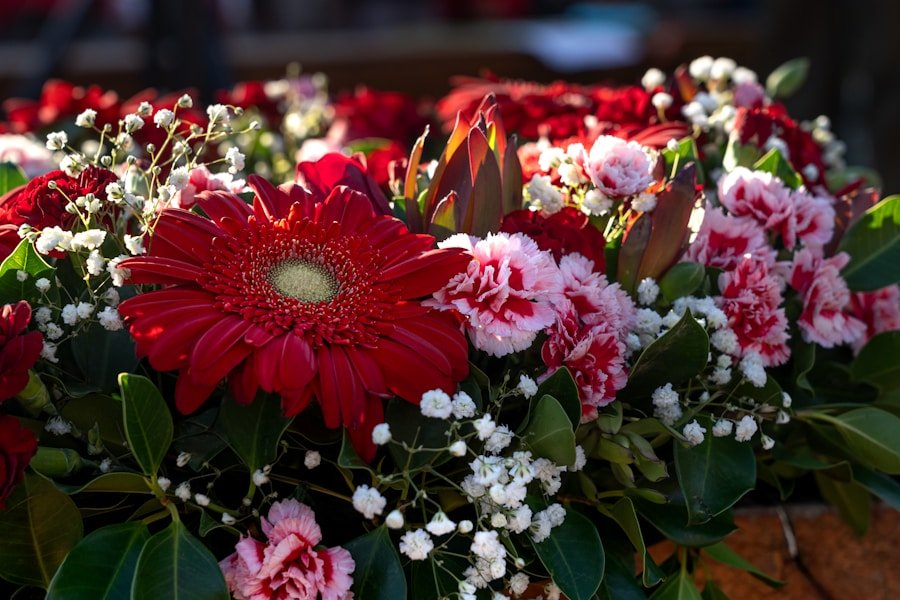

Flowers have been used for centuries to convey messages and emotions, with each bloom carrying its own unique symbolism. In Australia, the language of flowers holds a special significance, with native flora playing a key role in traditional customs and ceremonies. From the vibrant Waratah to the delicate Kangaroo Paw, Australian flowers are rich in meaning and cultural significance. Understanding the language of Australian flowers can add depth and emotion to floral arrangements, allowing individuals to express their feelings and sentiments through the art of floristry.
The tradition of assigning meanings to flowers, known as floriography, has been practiced in various cultures around the world for centuries. In Australia, this tradition has been embraced and adapted to reflect the unique flora of the continent. Each Australian flower carries its own symbolic meaning, often rooted in Indigenous traditions and beliefs. By familiarizing oneself with the language of Australian flowers, individuals can communicate messages of love, gratitude, and remembrance through the thoughtful selection of blooms. Whether used in bouquets, floral decorations, or as gifts, Australian flowers offer a meaningful way to convey emotions and sentiments.
Spring Blooms: Uncovering the Symbolism of Australian Flowers
Spring is a time of renewal and growth, and Australian flowers that bloom during this season are imbued with symbolism that reflects these themes. The Waratah, with its striking crimson blooms, is often associated with courage and strength, making it a powerful symbol of resilience and determination. Similarly, the Kangaroo Paw, with its unique tubular flowers, represents new beginnings and creativity, making it an ideal choice for springtime arrangements. Other spring blooms such as the Flannel Flower and Boronia carry their own meanings, symbolizing purity and gratitude respectively. By incorporating these flowers into floral designs, individuals can convey messages of hope, renewal, and optimism during the spring season.
In addition to their symbolic meanings, Australian spring blooms also offer a burst of color and fragrance that can brighten any space. Whether used in wedding bouquets, table centerpieces, or as gifts for loved ones, these flowers bring a sense of joy and vitality to any occasion. Their vibrant hues and delicate petals evoke the beauty of the natural world, making them a popular choice for florists and flower enthusiasts alike. As spring unfolds and the landscape comes alive with blossoms, the symbolism of Australian flowers adds an extra layer of meaning to the season’s floral displays.
Summer Petals: Exploring the Hidden Messages of Seasonal Australian Flowers
As the days grow longer and the sun shines brighter, Australian flowers that bloom in summer carry their own unique symbolism that reflects the warmth and energy of the season. The Golden Wattle, Australia’s national floral emblem, is a symbol of unity and resilience, making it a fitting choice for summer arrangements that celebrate community and strength. The Sturt’s Desert Pea, with its bold red blooms, represents passion and vitality, adding a touch of drama to summer floral displays. Other summer blooms such as the Blue Gum and Paper Daisy convey messages of endurance and friendship, making them ideal choices for conveying sentiments of support and companionship during the warmer months.
In addition to their symbolic meanings, Australian summer flowers also offer a sensory experience that captures the essence of the season. Their vibrant colors and sweet fragrances evoke the spirit of summer, making them a popular choice for weddings, events, and festive occasions. Whether used in floral crowns, garlands, or as part of larger arrangements, these flowers bring a sense of joy and vibrancy to any setting. Their beauty and symbolism add depth and meaning to summer celebrations, allowing individuals to express their emotions and sentiments through the language of flowers.
Autumnal Blossoms: Understanding the Symbolic Significance of Australian Flowers
As the leaves begin to change and the air turns crisp, Australian flowers that bloom in autumn carry their own symbolic meanings that reflect the transition from summer to winter. The Banksia, with its unique cone-shaped blooms, represents resilience and adaptability, making it a powerful symbol of strength during times of change. The Bottlebrush, with its vibrant red spikes, symbolizes renewal and transformation, adding a touch of energy to autumnal floral arrangements. Other autumn blooms such as the Billy Button and Everlasting Daisy convey messages of endurance and longevity respectively, making them ideal choices for expressing sentiments of perseverance and lasting love during this season of transition.
In addition to their symbolic meanings, Australian autumn flowers also offer a sense of warmth and comfort that captures the essence of the season. Their earthy tones and rich textures evoke the beauty of the natural world as it prepares for winter, making them a popular choice for seasonal decorations and floral displays. Whether used in wreaths, bouquets, or as part of table centerpieces, these flowers bring a sense of coziness and nostalgia to autumnal celebrations. Their beauty and symbolism add depth and meaning to fall festivities, allowing individuals to express their emotions and sentiments through the language of flowers.
Winter Florals: Delving into the Meaning Behind Australian Flowers in the Colder Months
As the days grow shorter and the landscape becomes dormant, Australian flowers that bloom in winter carry their own symbolic meanings that reflect the quiet beauty of the season. The Flannel Flower, with its delicate white blooms, represents purity and innocence, making it a fitting choice for winter arrangements that evoke a sense of tranquility and peace. The Waxflower, with its soft pink petals, symbolizes enduring love and affection, adding a touch of romance to winter floral displays. Other winter blooms such as the Hakea and Geraldton Wax convey messages of resilience and hope respectively, making them ideal choices for expressing sentiments of strength and optimism during the colder months.
In addition to their symbolic meanings, Australian winter flowers also offer a sense of serenity and elegance that captures the essence of the season. Their subtle colors and graceful forms evoke the quiet beauty of winter as nature rests and prepares for spring, making them a popular choice for seasonal decorations and floral arrangements. Whether used in bridal bouquets, sympathy wreaths, or as part of holiday centerpieces, these flowers bring a sense of grace and sophistication to winter celebrations. Their beauty and symbolism add depth and meaning to wintertime events, allowing individuals to express their emotions and sentiments through the language of flowers.
Indigenous Australian Flower Meanings: The Cultural Significance of Native Flora
The rich cultural heritage of Indigenous Australians is deeply intertwined with the natural world, with native flora playing a central role in traditional customs and beliefs. Many Australian flowers hold deep cultural significance for Indigenous communities, carrying symbolic meanings that have been passed down through generations. For example, the Kangaroo Paw is revered for its unique shape and vibrant colors, representing strength and unity in Indigenous culture. Similarly, the Grevillea is valued for its nectar-rich blooms which are used in traditional medicine and ceremonies, symbolizing healing and spiritual connection.
Understanding the cultural significance of Indigenous Australian flower meanings is essential for appreciating the depth and complexity of native flora. By honoring these traditions and incorporating native blooms into floral arrangements, individuals can pay homage to Indigenous culture while also expressing their own sentiments through the language of flowers. Whether used in cultural events, ceremonies, or everyday floral designs, Indigenous Australian flowers offer a meaningful way to connect with nature and acknowledge the enduring legacy of Indigenous traditions.
Creating Meaningful Bouquets: How to Incorporate Australian Flower Symbolism into Your Floral Arrangements
Incorporating Australian flower symbolism into floral arrangements is a thoughtful way to add depth and meaning to bouquets and displays. By selecting blooms that carry specific meanings or cultural significance, individuals can create arrangements that convey heartfelt messages and sentiments. For example, using Waratah in a bouquet can symbolize courage and strength, making it an ideal choice for honoring someone’s resilience or determination. Similarly, incorporating Kangaroo Paw into a floral design can represent new beginnings and creativity, adding a touch of optimism to any arrangement.
In addition to selecting blooms based on their symbolic meanings, individuals can also consider the overall aesthetic and emotional impact of their floral arrangements. By combining different Australian flowers that complement each other in color, texture, and form, individuals can create visually stunning displays that evoke specific emotions or themes. Whether creating a romantic bouquet for a wedding or a serene arrangement for a memorial service, thoughtful selection and arrangement of Australian flowers can enhance the beauty and meaning of any floral display.
In conclusion, Australian flowers are rich in symbolism and cultural significance, offering a meaningful way to convey emotions and sentiments through the art of floristry. From spring blooms that represent renewal and growth to winter florals that evoke serenity and elegance, each season brings its own unique palette of flower meanings that can be incorporated into floral arrangements. By understanding the language of Australian flowers and embracing their cultural significance, individuals can create bouquets that not only capture the beauty of nature but also convey heartfelt messages that resonate with both tradition and personal expression. Whether used in weddings, ceremonies, or everyday displays, Australian flowers offer a powerful means of communication that transcends language and speaks directly to the heart.