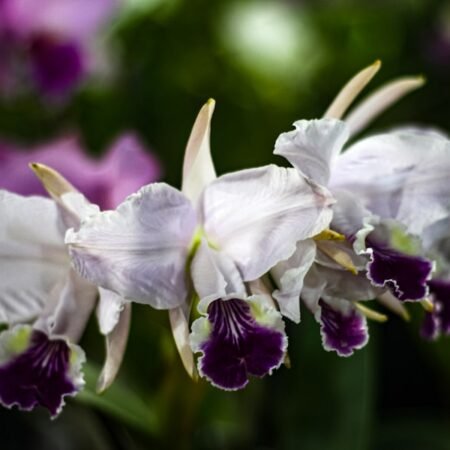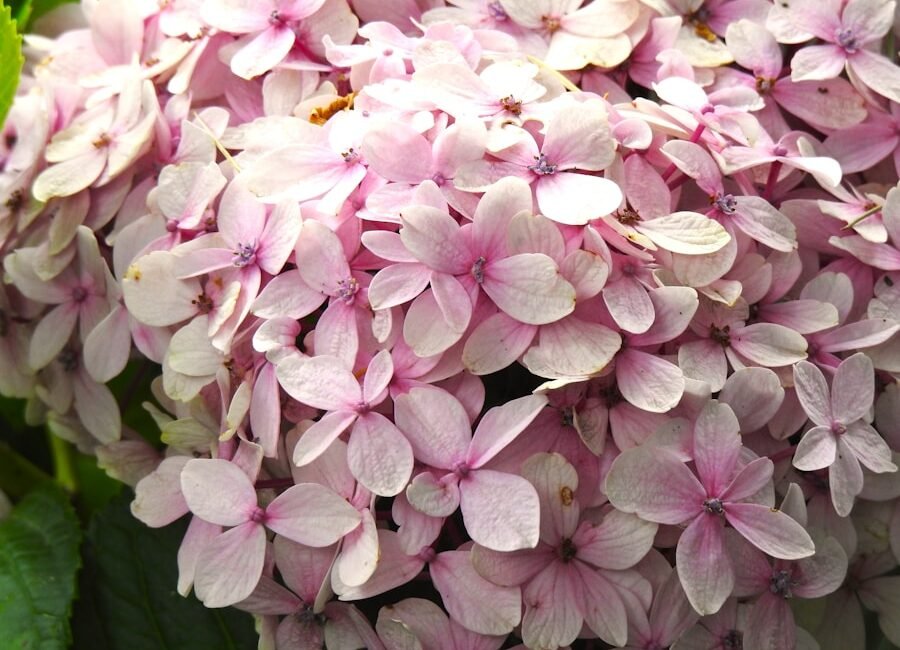

Ranunculus, also known as buttercup, is a genus of flowering plants in the family Ranunculaceae. The name “Ranunculus” is derived from the Latin word “rana,” which means frog, as these plants are often found in moist environments where frogs are commonly found. The genus is believed to have originated in Asia and Europe, with some species also found in North America. The history of Ranunculus dates back to ancient times, with references to the plant found in Greek and Roman mythology. In Greek mythology, it is said that the flower was created by the tears of Aphrodite, the goddess of love, as she mourned the death of Adonis. In Roman mythology, Ranunculus was associated with the god of war, Mars, and was believed to have sprung from the blood of a warrior who was killed in battle. The plant has been cultivated for centuries for its ornamental value and is a popular choice for gardens and floral arrangements.
Ranunculus has a rich history and has been used for various purposes throughout the ages. In ancient times, the plant was used for medicinal purposes, with its roots being used to treat various ailments such as fever, inflammation, and pain. The bright and vibrant flowers of the Ranunculus have also been used in traditional folk medicine to treat skin conditions and digestive issues. In addition to its medicinal uses, Ranunculus has also been used in culinary applications. The petals of the flowers are edible and have been used to add color and flavor to salads and other dishes. The plant has also been used in traditional rituals and ceremonies, with the flowers being used as offerings to deities and as decorations for special occasions such as weddings and festivals.
The Symbolism and Meaning of Ranunculus
Ranunculus is a flower that is rich in symbolism and meaning. In the language of flowers, Ranunculus is often associated with charm, attractiveness, and radiance. The vibrant and colorful blooms of the Ranunculus are said to symbolize joy and happiness, making them a popular choice for bouquets and floral arrangements for special occasions such as weddings and birthdays. The flower is also associated with love and affection, making it a meaningful gift for loved ones. In addition to its positive symbolism, Ranunculus is also associated with caution and discretion. In some cultures, the flower is believed to symbolize the need to be careful and thoughtful in one’s actions and decisions.
In addition to its positive symbolism, Ranunculus also holds cultural significance in various parts of the world. In Persian culture, the flower is known as “Esfand,” and is believed to have protective properties against evil spirits and negative energies. The flower is often used in traditional rituals and ceremonies to ward off negative influences and bring good luck and prosperity. In Japanese culture, Ranunculus is associated with grace and elegance, and is often used in traditional art forms such as ikebana (the Japanese art of flower arranging) to create beautiful and harmonious compositions. The flower is also used in traditional Japanese tea ceremonies as a symbol of beauty and purity. Overall, Ranunculus holds deep cultural significance and is cherished for its positive symbolism and meaning in various parts of the world.
The Unique Characteristics of Ranunculus
Ranunculus is a genus of flowering plants that is known for its unique characteristics and distinctive features. One of the most striking features of Ranunculus is its vibrant and colorful blooms. The flowers come in a wide range of colors, including shades of red, pink, orange, yellow, and white, making them a popular choice for gardens and floral arrangements. The flowers have multiple layers of delicate petals that give them a full and lush appearance, adding to their visual appeal. Another unique characteristic of Ranunculus is its long flowering period. The plant blooms from late winter to early summer, providing a burst of color and beauty during the cooler months when many other plants are dormant.
Ranunculus is also known for its hardy nature and adaptability. The plant thrives in a variety of growing conditions, including full sun or partial shade, making it a versatile choice for gardens and landscapes. It is also relatively low-maintenance, requiring minimal care and attention once established. Ranunculus is a perennial plant that can be grown from bulbs or seeds, making it easy to propagate and cultivate. The plant is also known for its ability to attract pollinators such as bees and butterflies, making it a valuable addition to any garden or landscape. Overall, Ranunculus is a unique and versatile plant that is prized for its vibrant blooms, long flowering period, and adaptability to various growing conditions.
The Cultivation and Growth of Ranunculus in Australia
Ranunculus is a popular choice for gardeners and horticulturists in Australia due to its vibrant blooms and adaptability to various growing conditions. The plant can be grown in a wide range of climates, from temperate regions in the south to tropical regions in the north. In Australia, Ranunculus is typically grown from bulbs, which are planted in autumn or early winter for spring flowering. The bulbs should be planted in well-drained soil with good organic matter, and should be watered regularly during the growing season. Ranunculus thrives in full sun or partial shade, making it suitable for a variety of garden settings.
In addition to its popularity in home gardens, Ranunculus is also grown commercially in Australia for the cut flower industry. The flowers are prized for their vibrant colors and long vase life, making them a popular choice for floral arrangements and bouquets. Commercial growers typically cultivate Ranunculus in large fields or greenhouses, where they can control growing conditions such as temperature, humidity, and light exposure. The flowers are harvested when they are fully open but still have tight buds at the center, ensuring maximum vase life for consumers. Overall, Ranunculus cultivation in Australia is an important industry that provides beautiful blooms for both home gardeners and florists alike.
The Role of Ranunculus in Australian Floristry
Ranunculus plays a significant role in Australian floristry due to its vibrant blooms and long vase life. The flowers are a popular choice for floral arrangements and bouquets due to their wide range of colors and delicate petals. Ranunculus is often used as a focal point in floral designs, adding a pop of color and texture to arrangements. The flowers are also prized for their versatility, as they can be used in both formal and informal designs, from elegant wedding bouquets to casual table centerpieces. In addition to their ornamental value, Ranunculus flowers are also valued for their long vase life, making them a practical choice for consumers who want to enjoy their blooms for an extended period.
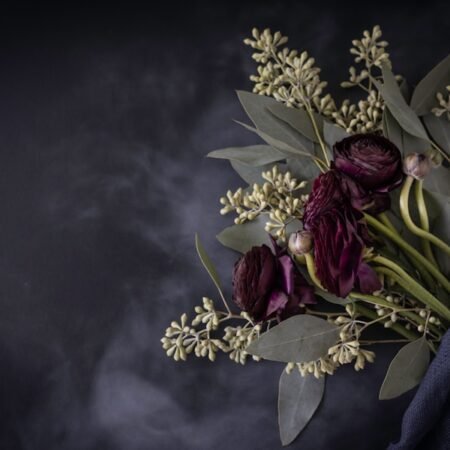
In Australian floristry, Ranunculus is often combined with other seasonal flowers such as roses, tulips, and peonies to create stunning arrangements that reflect the beauty of nature. The flowers are also used in combination with foliage such as eucalyptus and ferns to add texture and depth to designs. Florists often use Ranunculus to create romantic and whimsical arrangements that evoke feelings of joy and happiness. The flowers are also popular choices for special occasions such as weddings, where they are used to create beautiful bridal bouquets and floral decorations. Overall, Ranunculus plays an important role in Australian floristry by providing beautiful blooms that add color and elegance to a wide range of floral designs.
The Seasonal Nature of Ranunculus Blooms in Australia
Ranunculus blooms have a seasonal nature in Australia, with the flowers typically appearing from late winter to early summer. In temperate regions such as Victoria and New South Wales, Ranunculus bulbs are planted in autumn or early winter for spring flowering. The flowers typically bloom from September to November, providing a burst of color and beauty during the cooler months when many other plants are dormant. In tropical regions such as Queensland and Northern Territory, Ranunculus can be grown year-round due to the milder climate.
The seasonal nature of Ranunculus blooms makes them a highly anticipated sight for gardeners and flower enthusiasts in Australia. The vibrant colors and delicate petals of the flowers add a touch of beauty to gardens and landscapes during the spring season. In addition to their ornamental value, Ranunculus blooms are also highly valued by commercial growers who cultivate the flowers for the cut flower industry. The seasonal nature of Ranunculus blooms provides an opportunity for florists to create stunning floral arrangements that reflect the changing seasons and bring joy to consumers. Overall, the seasonal nature of Ranunculus blooms adds a sense of excitement and anticipation to gardens and floristry in Australia.
Preserving and Enjoying Ranunculus Blooms in Australian Homes
Preserving and enjoying Ranunculus blooms in Australian homes is a delightful experience that allows individuals to bring the beauty of nature indoors. After harvesting or purchasing Ranunculus flowers, there are several steps that can be taken to ensure that they remain fresh and vibrant for an extended period. Upon bringing the flowers home, it is important to trim the stems at an angle under running water to allow for better water absorption. Removing any leaves that will be submerged in water can also help prevent bacterial growth that can shorten the vase life of the flowers.
Once the stems have been trimmed, it is important to place the Ranunculus blooms in a clean vase filled with fresh water mixed with floral preservative. Changing the water every few days can help prolong the vase life of the flowers by preventing bacterial growth and maintaining water quality. Additionally, keeping the flowers away from direct sunlight or drafts can help prevent wilting or premature aging. By following these simple steps, individuals can enjoy the beauty of Ranunculus blooms in their homes for an extended period.
In addition to preserving Ranunculus blooms in vases, there are other creative ways to enjoy the flowers in Australian homes. Drying Ranunculus flowers by hanging them upside down or pressing them between heavy books can preserve their beauty for decorative purposes such as framed artwork or homemade greeting cards. Additionally, incorporating dried Ranunculus blooms into potpourri or sachets can add a touch of natural fragrance to living spaces. Overall, preserving and enjoying Ranunculus blooms in Australian homes allows individuals to bring the beauty of nature indoors while adding a touch of elegance to their living spaces.
In conclusion, Ranunculus is a genus of flowering plants with a rich history and cultural significance that has made it a beloved choice for gardens and floristry around the world. Its unique characteristics make it an adaptable plant that thrives in various growing conditions while providing vibrant blooms that add color and elegance to landscapes and floral designs alike. In Australia, Ranunculus cultivation plays an important role in both home gardening and commercial floristry due to its seasonal nature and long vase life. By preserving and enjoying Ranunculus blooms in Australian homes, individuals can bring the beauty of nature indoors while adding a touch of elegance to their living spaces. Overall, Ranunculus holds deep cultural significance while providing joy and beauty through its vibrant blooms.
In conclusion, Ranunculus is a genus of flowering plants with a rich history and cultural significance that has made it a beloved choice for gardens and floristry around the world. Its unique characteristics make it an adaptable plant that thrives in various growing conditions while providing vibrant blooms that add color and elegance to landscapes and floral designs alike. In Australia, Ranunculus cultivation plays an important role in both home gardening and commercial floristry due to its seasonal nature and long vase life. By preserving and enjoying Ranunculus blooms in Australian homes, individuals can bring the beauty of nature indoors while adding a touch of elegance to their living spaces. Overall, Ranunculus holds deep cultural significance while providing joy and beauty through its vibrant blooms. Its versatility and enduring appeal make it a cherished addition to any garden or floral arrangement.

Other Articles

Unveiling the Hidden Meanings of Alpine Flowers in Australia