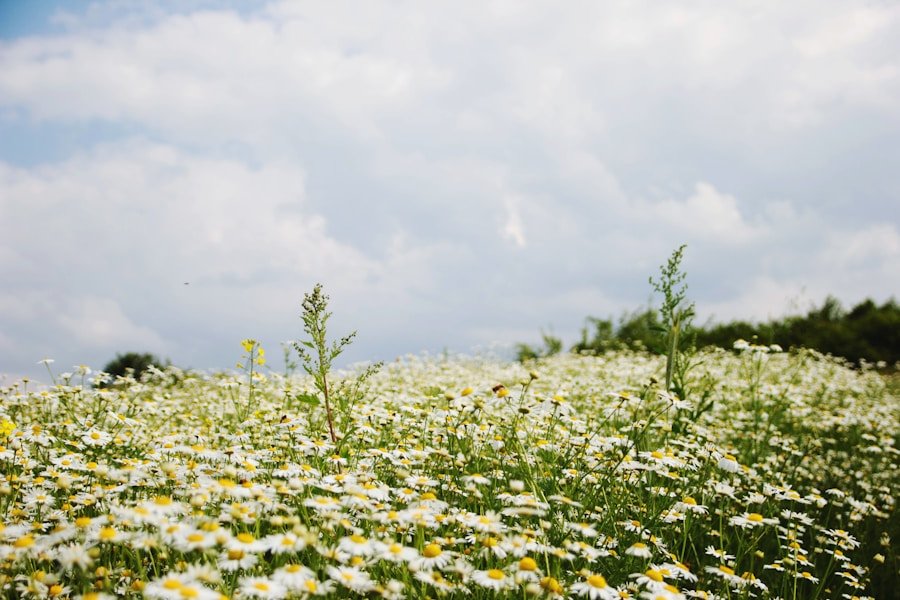

Daisies have a rich history that dates back to ancient times. The name “daisy” is derived from the Old English word “day’s eye,” which refers to the way the flower opens and closes with the sun. This simple yet beautiful flower has been a symbol of innocence and purity for centuries. In ancient Rome, daisies were associated with the goddess Venus, who was the epitome of love and beauty. The Romans believed that daisies could bring good luck and happiness, and they often used them in their religious ceremonies.
During the Middle Ages, daisies were commonly used in herbal medicine for their healing properties. They were believed to have the power to cure a variety of ailments, from wounds to stomachaches. Daisies were also used as a symbol of loyalty and love, and they were often given as gifts to express affection. In Victorian times, daisies became a popular motif in art and literature, symbolizing purity and innocence. They were often used in floral arrangements and as decorative elements in clothing and accessories. Today, daisies continue to be a beloved flower, cherished for their simple beauty and timeless symbolism.
The Cultural Significance of Daisies Around the World
Daisies hold cultural significance in many parts of the world, each with its own unique interpretation of the flower’s symbolism. In some cultures, daisies are seen as a symbol of new beginnings and fresh starts. In others, they are associated with innocence and purity. In Japan, daisies are often used in traditional tea ceremonies as a symbol of simplicity and humility. In Celtic folklore, daisies were believed to be the spirits of children who had passed away, and they were thought to bring good luck and protection.
In some Native American cultures, daisies are seen as a symbol of motherhood and fertility. They are often used in rituals and ceremonies to honor the earth and promote growth and abundance. In Russia, daisies are a popular flower for weddings, symbolizing purity and loyalty. In Mexico, daisies are associated with the Virgin Mary and are often used in religious celebrations. The cultural significance of daisies varies from country to country, but one thing remains constant: their timeless beauty and universal appeal.
Daisies in Literature and Art: Depicting Innocence and Beauty
Daisies have long been a popular subject in literature and art, where they are often used to symbolize innocence and beauty. In William Wordsworth’s famous poem “To the Daisy,” he describes the flower as a symbol of purity and simplicity. The daisy is also a recurring motif in the works of Shakespeare, where it is often used to represent love and fidelity. In art, daisies have been depicted in countless paintings and sculptures, where they are celebrated for their delicate petals and cheerful appearance.
One of the most famous depictions of daisies in art is Vincent van Gogh’s “Vase with Daisies and Poppies,” where he captures the vibrant colors and lively energy of the flowers. In contemporary literature, daisies continue to be a popular symbol, often used to represent youthfulness and innocence. The flower’s timeless appeal has made it a favorite subject for artists and writers alike, who continue to find inspiration in its simple yet captivating beauty.
The Language of Daisies: Understanding Their Symbolism
Daisies have a rich symbolism that has been passed down through generations. In the language of flowers, daisies are often associated with innocence, purity, and new beginnings. They are also seen as a symbol of true love and loyalty. Different colors of daisies can also convey different meanings; for example, white daisies symbolize purity and innocence, while yellow daisies represent happiness and joy. In Victorian times, people would use flowers to communicate secret messages, known as “floriography,” and daisies were often used to express sentiments of love and devotion.
In modern times, daisies continue to hold symbolic meaning, often representing simplicity, beauty, and hope. They are often given as gifts to convey feelings of friendship or admiration. Daisies are also commonly used in floral arrangements for weddings and other special occasions, where they symbolize purity and new beginnings. Understanding the symbolism of daisies can add depth and meaning to their presence in our lives, allowing us to appreciate their beauty on a deeper level.
Daisies in Mythology and Folklore: Tales of Innocence and Love
Daisies have been featured in mythology and folklore from around the world, often associated with tales of innocence and love. In Greek mythology, the story of the nymph Belides tells of her transformation into a daisy to escape the unwanted advances of the god Vertumnus. This myth is said to be the origin of the belief that picking a daisy petal by petal can reveal one’s true feelings towards another person. In Norse mythology, daisies were associated with Freya, the goddess of love and fertility, who was said to have worn a crown of daisies.
In Celtic folklore, daisies were believed to be the spirits of children who had passed away, bringing joy and protection to those who encountered them. In some cultures, daisies were also seen as symbols of good luck and prosperity. These myths and folklore have contributed to the enduring symbolism of daisies as symbols of innocence, love, and protection.
Diving into the World of Daisies: How to Incorporate Them into Your Life
There are countless ways to incorporate daisies into your life, whether through gardening, crafting, or simply enjoying their beauty. Planting a garden full of daisies can bring joy and beauty to your outdoor space, attracting butterflies and other pollinators. Daisies are also easy to grow and maintain, making them an ideal choice for both experienced gardeners and beginners alike. If you don’t have a garden, you can still enjoy daisies by incorporating them into your home decor. Fresh daisies can brighten up any room with their cheerful presence, while dried daisies can be used in wreaths or other crafts.
For those who enjoy crafting, there are endless possibilities for incorporating daisies into your projects. From pressed flower art to handmade jewelry, daisies can add a touch of natural beauty to any creation. You can also incorporate daisy motifs into your clothing or accessories, adding a touch of whimsy and charm to your personal style. Whether you choose to grow them in your garden or incorporate them into your creative projects, daisies offer a simple yet beautiful way to bring joy and beauty into your life.
The Future of Daisies: Preserving Their Meaning in a Changing World
As our world continues to change and evolve, it is important to preserve the meaning and symbolism of daisies for future generations. With increasing urbanization and environmental changes, it is crucial to protect the natural habitats where daisies thrive. By supporting conservation efforts and sustainable gardening practices, we can help ensure that daisies continue to flourish for years to come.
In addition to preserving their natural habitats, it is also important to preserve the cultural significance of daisies around the world. By learning about the history and symbolism of daisies, we can ensure that their timeless beauty continues to be appreciated and celebrated. Whether through art, literature, or personal expression, daisies will continue to inspire us with their simple yet profound symbolism for generations to come. By preserving their meaning in a changing world, we can ensure that daisies remain a beloved symbol of innocence, purity, and beauty for years to come.