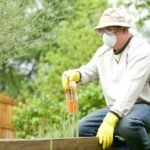

Eco-friendly pest control is a method of managing pests in a way that is safe for the environment, humans, and other non-target organisms. This approach focuses on using natural and non-toxic methods to control pests, rather than relying on harmful chemicals and pesticides. By understanding the principles of eco-friendly pest control, homeowners can effectively manage pest problems while minimizing their impact on the environment.
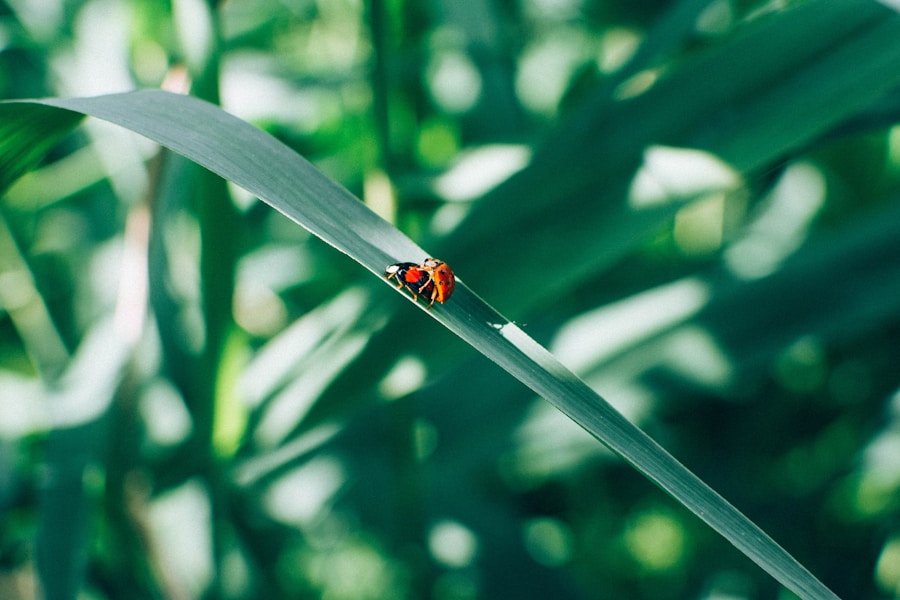
One of the key principles of eco-friendly pest control is prevention. This involves taking steps to prevent pests from entering the home in the first place, rather than waiting until a pest infestation has occurred. By sealing cracks and crevices, keeping food stored in airtight containers, and maintaining a clean and clutter-free home, homeowners can reduce the likelihood of a pest infestation. Additionally, eco-friendly pest control emphasizes the use of natural predators and biological controls to manage pest populations. This can include introducing beneficial insects, such as ladybugs or lacewings, to control aphids in the garden, or using nematodes to control soil-dwelling pests like grubs and caterpillars. By understanding these principles, homeowners can effectively manage pests in a way that is safe for the environment and their families.
Identifying Common Household Pests
Before implementing any pest control measures, it is important to first identify the specific pests that are causing problems in the home. Common household pests can include insects such as ants, cockroaches, and spiders, as well as rodents like mice and rats. By understanding the behavior and habits of these pests, homeowners can develop effective strategies for managing them in an eco-friendly manner.
Ants are one of the most common household pests, often entering homes in search of food and water. They can be identified by their small size, segmented bodies, and habit of forming trails as they forage for food. Cockroaches are another common pest, known for their ability to thrive in dark, damp environments. They can be identified by their flat bodies, long antennae, and rapid movements. Spiders are also common household pests, often found in dark corners and crevices. They can be identified by their eight legs and ability to spin webs to catch prey. By understanding the characteristics of these common household pests, homeowners can develop targeted strategies for managing them in an eco-friendly manner.
Natural Techniques for Pest Prevention
Preventing pests from entering the home in the first place is an important aspect of eco-friendly pest control. There are several natural techniques that homeowners can use to prevent pests from gaining access to their homes. One effective method is to seal cracks and crevices around doors, windows, and other entry points to prevent pests from entering the home. This can be done using caulk or weather-stripping to create a barrier that pests cannot penetrate.
Another natural technique for pest prevention is to keep food stored in airtight containers to prevent pests from being attracted to it. This can help to reduce the likelihood of a pest infestation by removing a potential food source for pests. Additionally, maintaining a clean and clutter-free home can help to prevent pests from finding places to hide and breed. By removing clutter and regularly cleaning and vacuuming the home, homeowners can create an environment that is less hospitable to pests.
Creating a Pest-Resistant Home Environment
Creating a pest-resistant home environment is an important aspect of eco-friendly pest control. By making simple changes to the home environment, homeowners can reduce the likelihood of a pest infestation and minimize the need for chemical pesticides. One effective method for creating a pest-resistant home environment is to remove sources of standing water, which can attract pests like mosquitoes and flies. This can be done by regularly emptying bird baths, flower pots, and other containers that collect water.
Another method for creating a pest-resistant home environment is to keep the home clean and free of clutter. Pests like cockroaches and rodents thrive in cluttered environments, so by keeping the home tidy and organized, homeowners can reduce the likelihood of a pest infestation. Additionally, maintaining a well-kept yard can help to prevent pests from entering the home. By keeping grass trimmed, removing debris, and sealing outdoor garbage cans, homeowners can create a barrier that pests cannot easily penetrate.
Using Essential Oils and Natural Repellents
Essential oils and natural repellents can be effective tools for managing pests in an eco-friendly manner. Many essential oils have natural insect-repelling properties that can be used to deter pests from entering the home. For example, peppermint oil is known for its ability to repel ants, spiders, and other insects. By diluting peppermint oil with water and spraying it around entry points and other areas where pests are likely to enter, homeowners can create a natural barrier that pests will avoid.
Lavender oil is another essential oil that has natural insect-repelling properties. It is known for its ability to repel mosquitoes, flies, and moths. By placing sachets of dried lavender or spraying lavender oil around windows and doors, homeowners can create a pleasant-smelling barrier that pests will avoid. Additionally, natural repellents like diatomaceous earth and cedar chips can be used to deter pests from entering the home. Diatomaceous earth is a natural substance that is effective at killing insects like ants, cockroaches, and fleas, while cedar chips emit a scent that repels moths and other insects.
Implementing Organic Pest Control Methods
Organic pest control methods focus on using natural substances and biological controls to manage pest populations in an eco-friendly manner. One effective organic pest control method is the use of beneficial insects to control pest populations in the garden. Ladybugs, lacewings, and predatory mites are all examples of beneficial insects that can be introduced into the garden to control aphids, mites, and other harmful pests.
Another organic pest control method is the use of natural predators to manage pest populations. For example, introducing nematodes into the soil can help to control soil-dwelling pests like grubs and caterpillars. Nematodes are microscopic worms that feed on insect larvae, making them an effective biological control for managing pest populations in the garden. Additionally, organic pest control methods can involve the use of natural substances like neem oil and diatomaceous earth to manage pest populations in an eco-friendly manner.
Maintaining a Healthy Balance with Nature
Maintaining a healthy balance with nature is an important aspect of eco-friendly pest control. By using natural and non-toxic methods to manage pests, homeowners can minimize their impact on the environment while effectively controlling pest populations. This approach focuses on prevention, using natural predators and biological controls, and creating a pest-resistant home environment to manage pests in an eco-friendly manner.
By understanding the principles of eco-friendly pest control and implementing natural techniques for pest prevention, homeowners can create a healthy balance with nature while effectively managing pest problems. Using essential oils and natural repellents, implementing organic pest control methods, and maintaining a clean and clutter-free home are all effective strategies for managing pests in an eco-friendly manner. By taking these steps, homeowners can create a healthy living environment for themselves and their families while minimizing their impact on the environment.