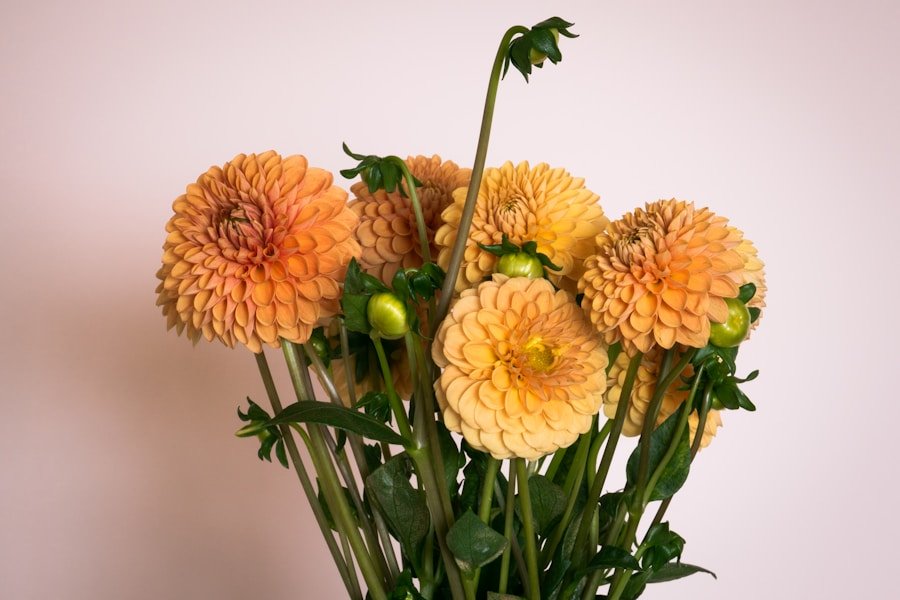

Baby’s breath, also known as gypsophila, is a delicate and dainty flower that holds deep symbolism in various cultures around the world. In Western cultures, baby’s breath is often associated with innocence, purity, and everlasting love. It is commonly used in wedding bouquets and floral arrangements to symbolize the pure and eternal love between the bride and groom. In Eastern cultures, baby’s breath is often seen as a symbol of happiness, joy, and new beginnings. In Japan, it is often used in traditional floral arrangements to represent purity and innocence. In Chinese culture, baby’s breath is associated with good luck and prosperity, and is often used in celebrations and festivals to bring positive energy and happiness.
In Middle Eastern cultures, baby’s breath is often seen as a symbol of hope and renewal. It is commonly used in religious ceremonies and rituals to symbolize the purity of the soul and the hope for a better future. In some African cultures, baby’s breath is seen as a symbol of protection and healing. It is often used in traditional medicine and healing rituals to bring about physical and spiritual healing. Overall, baby’s breath holds a deep and varied symbolism in different cultures, representing purity, innocence, happiness, hope, and healing.
The Spiritual Significance of Baby’s Breath in Various Religions
In various religions around the world, baby’s breath holds spiritual significance and symbolism. In Christianity, baby’s breath is often associated with the Holy Spirit and the purity of the Virgin Mary. It is commonly used in religious ceremonies and decorations to symbolize the purity and innocence of Christ. In Hinduism, baby’s breath is often seen as a symbol of new beginnings and spiritual growth. It is commonly used in religious rituals and ceremonies to bring about positive energy and blessings from the gods.
In Buddhism, baby’s breath is often associated with enlightenment and spiritual awakening. It is commonly used in meditation practices to bring about inner peace and tranquility. In Islam, baby’s breath is often seen as a symbol of purity and cleanliness. It is commonly used in religious ceremonies and rituals to purify the body and soul. Overall, baby’s breath holds deep spiritual significance in various religions, representing purity, innocence, spiritual growth, and enlightenment.
The Historical Use of Baby’s Breath in Traditional Medicine and Folklore
Throughout history, baby’s breath has been used in traditional medicine and folklore for its healing properties. In ancient Greece, baby’s breath was used to treat respiratory ailments and coughs. It was also believed to have protective properties and was often used in rituals to ward off evil spirits. In traditional Chinese medicine, baby’s breath was used to treat fevers, inflammation, and digestive issues. It was also believed to have calming properties and was often used to promote relaxation and reduce anxiety.
In Native American folklore, baby’s breath was often used in healing rituals to bring about physical and spiritual healing. It was believed to have protective properties and was often used in ceremonies to ward off negative energy. In European folklore, baby’s breath was often associated with love and romance. It was believed that placing baby’s breath under one’s pillow would bring about dreams of true love. Overall, baby’s breath has a long history of use in traditional medicine and folklore for its healing properties and protective qualities.
Baby’s Breath in Art and Literature: A Symbol of Innocence and Purity
In art and literature, baby’s breath has long been used as a symbol of innocence and purity. In paintings and sculptures, baby’s breath is often depicted alongside images of children or angels to symbolize their pure and innocent nature. In literature, baby’s breath is often used as a metaphor for purity and beauty. It is commonly used in poetry and prose to evoke feelings of innocence, purity, and love.
In the Victorian era, baby’s breath became a popular motif in art and literature, symbolizing the innocence and purity of young love. It was often used in romantic poetry and novels to convey the delicate and pure nature of love. In modern art and literature, baby’s breath continues to be used as a symbol of innocence and purity, evoking feelings of nostalgia and beauty.
The Botanical and Horticultural Characteristics of Baby’s Breath
Baby’s breath is a perennial flowering plant that belongs to the Caryophyllaceae family. It is native to Europe, Asia, and Africa, but has been naturalized in many other parts of the world. Baby’s breath is known for its delicate white or pink flowers that bloom in clusters on long stems. The flowers are small and star-shaped, giving the plant a delicate and airy appearance.
Baby’s breath thrives in well-drained soil with full sun exposure. It is a hardy plant that can tolerate dry conditions, making it a popular choice for gardens and landscapes. Baby’s breath is also commonly used as a cut flower in floral arrangements due to its long-lasting blooms and delicate appearance. Overall, baby’s breath is a beautiful and versatile plant that adds a touch of elegance to any garden or floral display.
Modern Uses of Baby’s Breath in Weddings and Celebrations
In modern times, baby’s breath has become a popular choice for weddings and celebrations due to its delicate beauty and symbolic meaning. It is commonly used in wedding bouquets, centerpieces, and floral arrangements to add a touch of elegance and romance to the event. Baby’s breath is often paired with roses or other flowers to create a soft and romantic look.
In addition to weddings, baby’s breath is also commonly used in other celebrations such as birthdays, anniversaries, and religious ceremonies. Its delicate appearance and symbolic meaning make it a popular choice for adding a touch of beauty and elegance to any special occasion. Overall, baby’s breath continues to be a beloved flower for weddings and celebrations due to its timeless beauty and deep symbolism.
Cultivating and Caring for Baby’s Breath: Tips for Growing this Symbolic Flower
Cultivating and caring for baby’s breath is relatively easy due to its hardy nature and low maintenance requirements. When planting baby’s breath, it is important to choose a well-drained soil with full sun exposure for optimal growth. Baby’s breath can tolerate dry conditions but benefits from regular watering during dry spells.
Pruning baby’s breath after flowering can help promote new growth and prevent the plant from becoming too leggy. Deadheading spent blooms can also encourage continuous flowering throughout the growing season. Overall, baby’s breath is a beautiful and versatile plant that adds a touch of elegance to any garden or floral display.
In conclusion, baby’s breath holds deep symbolism in different cultures around the world, representing purity, innocence, happiness, hope, and healing. It also holds spiritual significance in various religions, symbolizing purity, innocence, spiritual growth, and enlightenment. Throughout history, baby’s breath has been used in traditional medicine and folklore for its healing properties and protective qualities. In art and literature, baby’s breath has long been used as a symbol of innocence and purity, evoking feelings of nostalgia and beauty. The botanical characteristics of baby’s breath make it a popular choice for gardens and floral arrangements due to its delicate beauty and long-lasting blooms. In modern times, baby’s breath continues to be a beloved flower for weddings and celebrations due to its timeless beauty and deep symbolism. Cultivating and caring for baby’s breath is relatively easy due to its hardy nature and low maintenance requirements. Overall, baby’s breath is a beautiful and versatile plant that adds a touch of elegance to any garden or floral display.

Other Articles

Brighten Someone’s Day: The Best Flower Choices for R U OK? Day