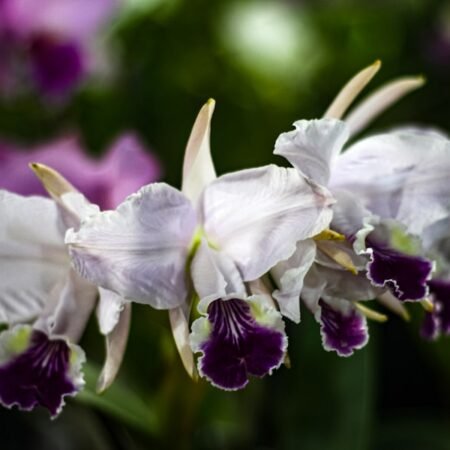

The camellia flower has a rich and storied history that dates back thousands of years. Originating in East Asia, specifically in China and Japan, the camellia flower has been cultivated and admired for its beauty and symbolism. The first recorded mention of the camellia flower dates back to the 3rd century, when it was mentioned in Chinese literature. It was not until the 18th century that the camellia flower was introduced to Europe, where it quickly gained popularity among the aristocracy and became a symbol of wealth and luxury. Today, the camellia flower is grown and appreciated all over the world, with different varieties and colors being cultivated to suit different climates and tastes.
The camellia flower has also played a significant role in the history of horticulture. In the 19th century, camellias were highly sought after by collectors and enthusiasts, leading to the development of new varieties and hybrids. The camellia flower has also been the subject of intense breeding efforts, resulting in a wide range of colors, shapes, and sizes. Today, camellias are grown in gardens and parks all over the world, and are a popular choice for floral arrangements and bouquets. The history of the camellia flower is a testament to its enduring appeal and significance in human culture.
The Symbolism of the Camellia Flower in Different Cultures
The camellia flower holds different meanings and symbolism in various cultures around the world. In China, the camellia flower is associated with love and affection, and is often given as a gift to express admiration and longing. In Japan, the camellia flower is a symbol of purity and perfection, and is often used in traditional tea ceremonies. In Korea, the camellia flower is associated with longevity and faithfulness, and is often used in wedding ceremonies to symbolize a long and happy marriage.
In Western cultures, the camellia flower is often associated with love and devotion, and is a popular choice for wedding bouquets and floral arrangements. In Victorian England, the camellia flower was often used to convey messages of love and admiration, with different colors carrying different meanings. The symbolism of the camellia flower has evolved over time, but its association with love, beauty, and purity remains constant across different cultures.
The Camellia Flower in Art and Literature
The camellia flower has been a popular subject in art and literature for centuries. In East Asia, the camellia flower has been depicted in paintings, poetry, and ceramics as a symbol of beauty and elegance. In Western art, the camellia flower has been featured in paintings by renowned artists such as Vincent van Gogh and Claude Monet, who were captivated by its vibrant colors and delicate petals. In literature, the camellia flower has been used as a symbol of love, longing, and beauty in works by authors such as Jane Austen and Alexandre Dumas.
The camellia flower has also been a popular motif in fashion and design. In the 20th century, the camellia flower became a signature symbol of the fashion house Chanel, thanks to its founder Coco Chanel’s love for the flower. Today, the camellia flower continues to inspire designers and artists around the world, with its timeless beauty and elegance.
The Camellia Flower in Religious and Spiritual Contexts
In many religious and spiritual traditions, the camellia flower holds special significance. In Buddhism, the camellia flower is associated with enlightenment and purity, and is often used as a symbol of devotion and meditation. In Christianity, the camellia flower is often used to symbolize the Virgin Mary’s purity and grace, and is often included in religious art and iconography.
In traditional Chinese culture, the camellia flower is associated with longevity and faithfulness, and is often used in rituals and ceremonies to bring good luck and prosperity. In Japan, the camellia flower is often used in Shinto rituals to honor ancestors and bring blessings to the family. The camellia flower’s presence in religious and spiritual contexts highlights its enduring significance as a symbol of purity, grace, and devotion.
The Camellia Flower in Modern Society
In modern society, the camellia flower continues to be a popular choice for floral arrangements, bouquets, and gardens. Its vibrant colors and elegant petals make it a favorite among gardeners and florists alike. The camellia flower is also used in skincare products and perfumes for its delicate fragrance and nourishing properties.
The camellia flower has also become a popular choice for weddings and special occasions, thanks to its association with love, beauty, and purity. Its timeless appeal makes it a versatile choice for any celebration or event. In addition, the camellia flower continues to inspire artists, designers, and writers with its enduring beauty and symbolism.
The Different Colors of Camellia Flowers and Their Meanings
The camellia flower comes in a wide range of colors, each with its own unique meaning and symbolism. White camellias are often associated with purity, innocence, and devotion, making them a popular choice for weddings and religious ceremonies. Red camellias are often associated with love, passion, and desire, making them a popular choice for romantic gestures and expressions of affection.
Pink camellias are often associated with admiration, gratitude, and grace, making them a popular choice for gifts and expressions of appreciation. Yellow camellias are often associated with happiness, joy, and friendship, making them a popular choice for celebrations and social gatherings. The different colors of camellia flowers offer a wide range of options for expressing different emotions and sentiments.
How to Incorporate Camellia Flowers into Your Life
There are many ways to incorporate camellia flowers into your life. You can plant them in your garden or yard to enjoy their vibrant colors and elegant blooms year-round. You can also use them in floral arrangements or bouquets for special occasions or as a thoughtful gift for a loved one.
Camellia flowers can also be used in skincare products such as lotions, oils, and soaps for their nourishing properties and delicate fragrance. You can also incorporate camellia flowers into your home decor by using them in centerpieces or as a decorative accent in your living space.
In conclusion, the camellia flower has a rich history and holds deep symbolism in various cultures around the world. Its timeless beauty continues to inspire artists, writers, designers, gardeners, and florists alike. Whether you choose to plant them in your garden or use them in your home decor or skincare routine, the camellia flower is sure to bring beauty, elegance, and meaning into your life.