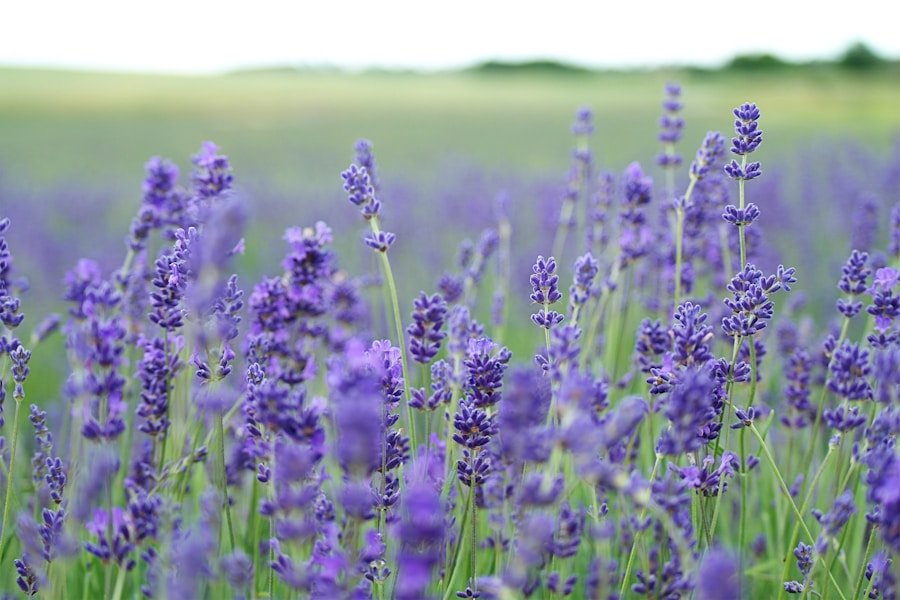

Lavender is a beloved herb known for its fragrant and versatile nature. With its delicate purple flowers and soothing aroma, lavender has been used for centuries in various cultures for its medicinal, culinary, and aromatic properties. This herb is native to the Mediterranean region, but it is now cultivated in many parts of the world. Lavender is a member of the mint family, and its name is derived from the Latin word “lavare,” which means “to wash.” This is a fitting name, as lavender has long been used in baths and soaps for its calming and cleansing effects. The essential oil extracted from lavender is also widely used in aromatherapy for its relaxing and stress-relieving properties. In addition to its aromatic uses, lavender is also a popular ingredient in cooking and baking, adding a unique floral flavor to a variety of dishes. With its wide range of uses and benefits, lavender has become a staple in many households and is cherished for its versatility and delightful scent.
Lavender has a rich history and has been used for various purposes throughout the ages. In ancient Egypt, lavender was used in the mummification process and as a perfume. The Romans also valued lavender for its aromatic properties and used it to scent their baths, beds, clothes, and even hair. In medieval times, lavender was used to freshen the air and ward off illness, and it was often strewn on the floors of homes and castles. Lavender has also been used for its medicinal properties, with traditional herbalists using it to treat a variety of ailments, including insomnia, anxiety, and digestive issues. Today, lavender continues to be a popular herb with a wide range of uses, from aromatherapy and cooking to skincare and home remedies. Its timeless appeal and versatility make it a beloved herb that continues to be cherished by people all over the world.
Lavender Varieties: From English to Spanish and Beyond
Lavender comes in many different varieties, each with its own unique characteristics and uses. The most common type of lavender is English lavender (Lavandula angustifolia), which is known for its sweet fragrance and compact growth habit. This variety is often used in aromatherapy and skincare products due to its calming and soothing properties. Another popular variety is Spanish lavender (Lavandula stoechas), which has distinctive “rabbit ear” flowers and a more pungent scent compared to English lavender. Spanish lavender is often used in landscaping and as a decorative plant in gardens due to its showy blooms and drought tolerance. French lavender (Lavandula dentata) is another well-known variety, with its serrated leaves and strong, camphor-like scent. This type of lavender is often used in potpourri and sachets due to its long-lasting fragrance.
In addition to these well-known varieties, there are many other types of lavender that offer unique characteristics and benefits. For example, Lavandula x intermedia, also known as lavandin, is a hybrid of English and spike lavender that produces a higher yield of essential oil compared to other varieties. This makes it a popular choice for commercial essential oil production. There are also lesser-known varieties such as Lavandula lanata, or woolly lavender, which has silvery-gray foliage and a soft, woolly texture. This variety is prized for its ornamental value and is often used in landscaping for its unique appearance. With such a wide range of lavender varieties available, there is a type of lavender to suit every preference and need, whether it be for aromatherapy, culinary use, or simply as a beautiful addition to the garden.
Understanding the Unique Characteristics of Lavender Varieties
Each variety of lavender has its own unique characteristics that make it distinct from the others. English lavender, for example, is known for its sweet fragrance and compact growth habit, making it an ideal choice for small gardens or containers. This variety typically blooms in early summer and produces spikes of fragrant purple flowers that are highly attractive to bees and other pollinators. Spanish lavender, on the other hand, has distinctive “rabbit ear” flowers and a more pungent scent compared to English lavender. This variety is also known for its drought tolerance and ability to thrive in hot, sunny conditions, making it a popular choice for Mediterranean-style gardens.
French lavender is easily recognized by its serrated leaves and strong, camphor-like scent. This variety typically blooms in late spring or early summer and produces showy purple flowers that are highly attractive to butterflies. French lavender is also known for its long-lasting fragrance, making it a popular choice for potpourri and sachets. Lavandin, the hybrid of English and spike lavender, is prized for its high yield of essential oil and strong fragrance. This variety typically blooms in mid-summer and produces long spikes of fragrant flowers that are highly attractive to bees. With such diverse characteristics, each variety of lavender offers something unique and special, whether it be for its fragrance, ornamental value, or practical uses.
Exploring the Aromatherapy Benefits of Different Lavender Varieties
Lavender is widely used in aromatherapy for its calming and stress-relieving properties. Each variety of lavender offers its own unique benefits when used in aromatherapy treatments. English lavender, with its sweet fragrance and soothing properties, is often used to promote relaxation and improve sleep quality. This variety is commonly used in essential oil diffusers, massage oils, and bath products to help reduce anxiety and promote a sense of calm. Spanish lavender, with its more pungent scent, is often used in aromatherapy treatments to help alleviate headaches and sinus congestion. The strong aroma of Spanish lavender can help clear the mind and promote mental clarity.
French lavender is known for its long-lasting fragrance, making it a popular choice for aromatherapy products such as candles, room sprays, and potpourri. The camphor-like scent of French lavender can help invigorate the senses and promote a feeling of freshness. Lavandin, with its high yield of essential oil, is often used in commercial aromatherapy products due to its strong fragrance and therapeutic properties. This variety of lavender is prized for its ability to promote relaxation and reduce stress when used in aromatherapy treatments. With such diverse aromatherapy benefits, each variety of lavender offers something unique and special when it comes to promoting health and well-being.
Culinary Uses of Lavender: From Cooking to Baking
In addition to its aromatic properties, lavender is also prized for its culinary uses. The delicate floral flavor of lavender adds a unique twist to both sweet and savory dishes, making it a versatile herb in the kitchen. English lavender is often used in cooking due to its sweet fragrance and mild flavor. This variety of lavender can be used to infuse sugar or honey for use in baking or as a flavoring agent in desserts such as ice cream or shortbread cookies. Spanish lavender, with its more pungent scent, is often used in savory dishes such as roasted meats or grilled vegetables to add a subtle floral note.
French lavender is commonly used in baking due to its long-lasting fragrance and strong flavor. This variety of lavender can be used to flavor cakes, scones, or custards for a unique twist on classic recipes. Lavandin, with its high yield of essential oil, is often used in commercial food products such as teas or confections due to its strong fragrance and therapeutic properties. This variety of lavender can also be used to infuse oils or vinegars for use in salad dressings or marinades. With such diverse culinary uses, each variety of lavender offers something unique and special when it comes to adding flavor and fragrance to dishes.
Growing and Caring for Different Lavender Varieties
Lavender is relatively easy to grow and care for, making it a popular choice for gardeners of all skill levels. Each variety of lavender has its own specific growing requirements that should be taken into consideration when planting and caring for these plants. English lavender prefers well-drained soil and full sun exposure, making it an ideal choice for rock gardens or containers. This variety of lavender should be pruned after flowering to encourage bushy growth and prevent woody stems from forming. Spanish lavender thrives in hot, sunny conditions with well-drained soil and requires minimal water once established. This variety should be pruned lightly after flowering to maintain its compact growth habit.
French lavender prefers slightly acidic soil with good drainage and full sun exposure. This variety should be pruned lightly after flowering to encourage bushy growth and prevent leggy stems from forming. Lavandin requires well-drained soil with full sun exposure and should be pruned after flowering to maintain its compact growth habit. With proper care and maintenance, each variety of lavender can thrive in the garden or landscape, providing beautiful blooms and fragrant foliage throughout the growing season.
Embracing the Diversity of Lavender and Its Many Uses
In conclusion, lavender is a versatile herb with a wide range of uses and benefits. From aromatherapy and culinary uses to ornamental value in the garden, each variety of lavender offers something unique and special that makes it distinct from the others. Whether it be the sweet fragrance of English lavender or the pungent scent of Spanish lavender, there is a type of lavender to suit every preference and need. With proper care and maintenance, each variety of lavender can thrive in the garden or landscape, providing beautiful blooms and fragrant foliage throughout the growing season.
As we continue to embrace the diversity of lavender and explore its many uses, we can appreciate the rich history and timeless appeal of this beloved herb. Whether it be for promoting relaxation and well-being through aromatherapy treatments or adding flavor and fragrance to dishes through culinary uses, lavender has something to offer everyone. Its delicate purple flowers and soothing aroma have captivated people for centuries, making it a cherished herb that continues to be valued by people all over the world. As we continue to discover new ways to incorporate lavender into our lives, we can celebrate the diversity of this versatile herb and all that it has to offer.