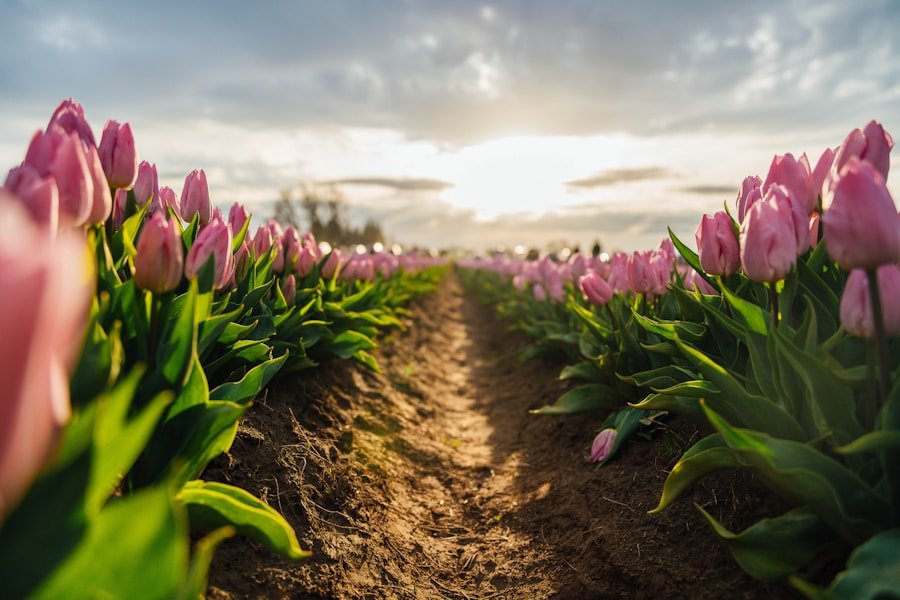

Traditional floral arrangements often have a significant environmental impact due to the use of non-native and non-seasonal flowers, as well as the extensive use of pesticides and chemicals in their production. Many of the flowers used in traditional arrangements are imported from other countries, leading to high carbon emissions from transportation. Additionally, the use of pesticides and chemicals in flower farming can have detrimental effects on local ecosystems and wildlife. Furthermore, the waste generated from traditional floral arrangements, such as non-biodegradable floral foam and plastic packaging, contributes to environmental pollution. Overall, the environmental impact of traditional floral arrangements is substantial and unsustainable.
The Importance of Sustainable Seasonal Bouquets
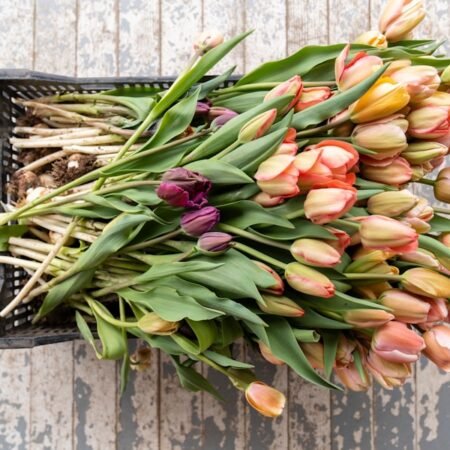
Sustainable seasonal bouquets are an important alternative to traditional floral arrangements as they prioritize the use of native and seasonal flowers that are grown locally. By using flowers that are in season, sustainable bouquets reduce the need for long-distance transportation and minimize carbon emissions. Additionally, sustainable bouquets support local flower farms and florists, contributing to the local economy and reducing the environmental impact of flower production. Furthermore, sustainable bouquets are often produced using organic and eco-friendly farming practices, minimizing the use of pesticides and chemicals. Overall, sustainable seasonal bouquets are essential for reducing the environmental impact of floral arrangements and promoting eco-friendly practices in the floral industry.
Supporting Local Flower Farms and Florists
Supporting local flower farms and florists is crucial for promoting sustainable floral practices and reducing the environmental impact of traditional floral arrangements. By purchasing flowers from local sources, consumers can minimize the carbon footprint associated with transportation and support the local economy. Additionally, local flower farms and florists are more likely to prioritize sustainable and eco-friendly practices in their production, such as using organic farming methods and minimizing the use of chemicals. Furthermore, supporting local flower farms and florists helps to preserve biodiversity by promoting the use of native and seasonal flowers that are well-suited to the local climate and ecosystem. Overall, supporting local flower farms and florists is essential for promoting sustainable floral practices and reducing the environmental impact of traditional floral arrangements.
The Benefits of Using Native and Seasonal Flowers
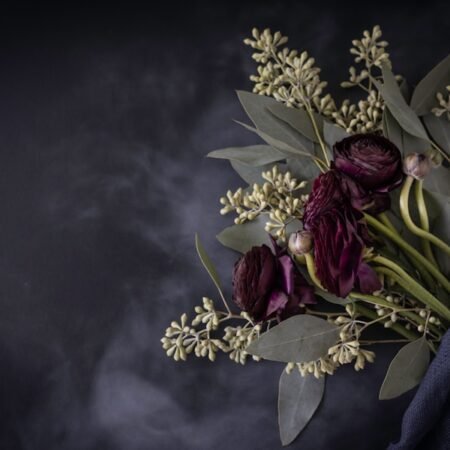
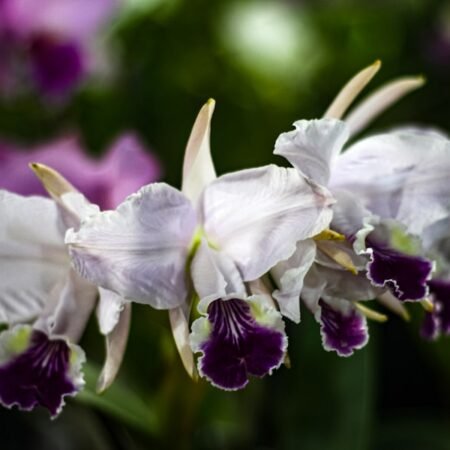
Using native and seasonal flowers in floral arrangements offers numerous benefits for both the environment and consumers. Native flowers are well-adapted to the local climate and require minimal maintenance, reducing the need for pesticides and chemicals in their production. Additionally, using native flowers helps to preserve biodiversity by supporting local ecosystems and providing habitats for native wildlife. Seasonal flowers are also beneficial as they are readily available and do not require long-distance transportation, minimizing carbon emissions. Furthermore, using native and seasonal flowers in floral arrangements can enhance the beauty and uniqueness of the bouquet, offering a diverse range of colors, shapes, and scents. Overall, using native and seasonal flowers in floral arrangements offers numerous benefits for the environment and promotes sustainable floral practices.
Reducing Carbon Footprint with Eco-Friendly Floral Practices
Reducing carbon footprint with eco-friendly floral practices is essential for minimizing the environmental impact of traditional floral arrangements. One way to achieve this is by prioritizing the use of locally grown flowers that do not require long-distance transportation. Additionally, using organic and eco-friendly farming practices in flower production can minimize the use of pesticides and chemicals, reducing environmental pollution. Furthermore, choosing biodegradable materials for floral arrangements, such as natural twine and compostable packaging, can help to minimize waste and environmental pollution. Overall, reducing carbon footprint with eco-friendly floral practices is crucial for promoting sustainability in the floral industry and minimizing its environmental impact.
Tips for Creating and Maintaining Sustainable Floral Arrangements
Creating and maintaining sustainable floral arrangements requires careful consideration of the types of flowers used, as well as the materials and techniques employed. When creating a sustainable bouquet, it is important to prioritize the use of native and seasonal flowers that are grown locally. Additionally, choosing biodegradable materials for floral arrangements, such as natural twine and compostable packaging, can help to minimize waste and environmental pollution. Furthermore, maintaining sustainable floral arrangements involves proper care and maintenance, such as using natural fertilizers and avoiding the use of harmful chemicals. Overall, creating and maintaining sustainable floral arrangements requires a thoughtful approach that prioritizes eco-friendly practices and minimizes environmental impact.
Embracing Floral Consciousness in Everyday Life
Embracing floral consciousness in everyday life involves adopting a mindful approach to the use of flowers and floral arrangements. This includes being aware of the environmental impact of traditional floral practices and making conscious choices to support sustainable alternatives. Additionally, embracing floral consciousness involves supporting local flower farms and florists, as well as prioritizing the use of native and seasonal flowers in floral arrangements. Furthermore, embracing floral consciousness involves minimizing waste and environmental pollution by choosing biodegradable materials for floral arrangements and practicing eco-friendly care and maintenance techniques. Overall, embracing floral consciousness in everyday life involves a holistic approach that prioritizes sustainability and minimizes the environmental impact of floral practices.