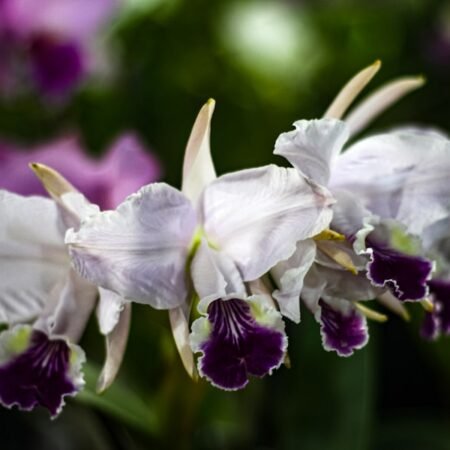
Edible flowers have been used in culinary practices for centuries, adding a touch of elegance and flavor to dishes. From ancient civilizations to modern-day cuisine, edible flowers have been a staple in various cultures around the world. These delicate blooms not only add visual appeal to dishes but also contribute unique flavors and aromas that can elevate the overall dining experience. Edible flowers come in a wide range of colors, shapes, and flavors, making them a versatile ingredient for both sweet and savory dishes. Whether used as a garnish, infusion, or main ingredient, edible flowers can bring a burst of freshness and vibrancy to any meal.
In recent years, there has been a resurgence of interest in using edible flowers in cooking and mixology, with chefs and home cooks alike experimenting with different varieties to create visually stunning and delicious creations. With the growing popularity of farm-to-table dining and sustainable food practices, edible flowers have become a sought-after ingredient for those looking to add a touch of natural beauty and flavor to their culinary creations. In this article, we will explore the world of edible flowers, from choosing the right blooms for your dish to incorporating them into salads, cakes, and cocktails. We will also provide tips for harvesting and storing edible flowers, as well as safety precautions and potential allergies to be aware of when using these delicate blooms in your cooking.
Choosing the Right Edible Flowers for Your Dish
When it comes to choosing edible flowers for your dish, it’s important to consider both the visual appeal and flavor profile of the blooms. Some popular edible flowers include roses, violets, pansies, nasturtiums, lavender, and hibiscus, each with its own unique taste and aroma. Before using any flower in your cooking, it’s essential to ensure that it is indeed edible and free from pesticides or other harmful chemicals. It’s best to source edible flowers from reputable suppliers or grow them yourself in a pesticide-free environment.
When selecting edible flowers for your dish, consider the flavor profile you want to achieve. For example, roses have a delicate floral flavor with hints of sweetness, making them perfect for desserts and floral-infused cocktails. On the other hand, nasturtiums have a peppery, slightly spicy taste that pairs well with savory dishes such as salads and seafood. Violets and pansies have a mild, slightly sweet flavor that can complement both sweet and savory dishes. When choosing edible flowers, it’s also important to consider the color and size of the blooms, as they can add visual interest and contrast to your dish.
Incorporating Edible Flowers in Salads
Salads are a great canvas for incorporating edible flowers, adding a pop of color and flavor to an otherwise ordinary dish. When using edible flowers in salads, it’s essential to choose blooms that complement the other ingredients and add a fresh, vibrant element to the dish. Nasturtiums, with their peppery flavor and bright orange and yellow petals, are a popular choice for adding a spicy kick to salads. Their large, round leaves also make them an attractive addition to the plate.
Another popular choice for adding edible flowers to salads is pansies, which come in a variety of colors and have a mild, slightly sweet flavor that pairs well with mixed greens and vinaigrette dressings. Pansies can be used whole or as individual petals scattered throughout the salad for a visually stunning effect. For a more delicate touch, consider using violets, which have a subtle floral flavor that can add a touch of elegance to any salad. When incorporating edible flowers into salads, it’s important to wash them thoroughly and remove any green parts or stems before adding them to the dish. This will ensure that you are only using the petals, which are the most flavorful and visually appealing part of the flower.
Enhancing Cakes with Edible Flowers
Adding edible flowers to cakes is a beautiful way to elevate the presentation and flavor of your baked creations. Whether used as a simple garnish or infused into the cake batter or frosting, edible flowers can add a touch of natural beauty and elegance to any dessert. When choosing edible flowers for cakes, it’s important to select blooms that are free from pesticides and safe for consumption. Roses, lavender, violets, and pansies are popular choices for decorating cakes due to their delicate flavors and vibrant colors.
One way to incorporate edible flowers into cakes is by infusing them into the cake batter or frosting. For example, you can steep lavender or rose petals in milk or cream before adding it to the cake batter to impart a subtle floral flavor. You can also use edible flowers to decorate the top of the cake by scattering whole blooms or individual petals over the frosting for a stunning visual effect. When using edible flowers on cakes, it’s important to ensure that they are clean and free from any dirt or debris. Gently wash the flowers and pat them dry before using them on your cake to ensure that they are safe for consumption.
Creating Floral Cocktails with Edible Flowers
Floral cocktails have become increasingly popular in recent years, with mixologists incorporating edible flowers into their creations to add a touch of elegance and complexity to traditional cocktail recipes. Edible flowers such as roses, violets, hibiscus, and elderflowers are commonly used in floral cocktails due to their delicate flavors and vibrant colors. When creating floral cocktails with edible flowers, it’s important to choose blooms that are safe for consumption and free from pesticides or other harmful chemicals.
One popular way to incorporate edible flowers into cocktails is by making floral-infused syrups or liqueurs. For example, you can steep rose petals or hibiscus flowers in simple syrup to create a fragrant floral syrup that can be used in a variety of cocktails. You can also use edible flowers as a garnish for cocktails by floating whole blooms or individual petals on top of the drink for a visually stunning presentation. When using edible flowers in cocktails, it’s important to consider their flavor profile and how they will complement the other ingredients in the drink. For example, roses have a delicate floral flavor that pairs well with gin or champagne-based cocktails, while hibiscus adds a tart, slightly fruity note that can enhance rum or tequila-based drinks.
Tips for Harvesting and Storing Edible Flowers
When harvesting edible flowers for culinary use, it’s important to do so at the peak of their freshness and flavor. Most edible flowers are best harvested in the morning when their petals are fully open and their flavors are most pronounced. It’s essential to harvest edible flowers from plants that have not been treated with pesticides or other harmful chemicals. If you are unsure about the safety of a particular flower, it’s best to err on the side of caution and avoid using it in your cooking.
After harvesting edible flowers, it’s important to store them properly to maintain their freshness and flavor. One way to store edible flowers is by placing them in a container lined with damp paper towels and storing them in the refrigerator. This will help keep the flowers hydrated and prevent them from wilting too quickly. It’s also important to handle edible flowers gently when storing them to avoid bruising or damaging the delicate petals. When using edible flowers in your cooking, it’s best to use them as soon as possible after harvesting to ensure that they are at their peak freshness and flavor.
Safety Precautions and Potential Allergies to Edible Flowers
While many edible flowers are safe for consumption, it’s essential to be aware of potential allergies or adverse reactions that some individuals may experience when consuming certain blooms. Some people may have allergies to specific types of flowers or may experience digestive discomfort after consuming certain varieties. It’s important to exercise caution when using edible flowers in your cooking, especially if you are serving them to guests with known allergies or sensitivities.
When using edible flowers in your cooking, it’s essential to research each variety thoroughly and ensure that they are safe for consumption. It’s also important to use caution when sourcing edible flowers from suppliers or harvesting them yourself to ensure that they have not been treated with pesticides or other harmful chemicals. If you are unsure about the safety of a particular flower, it’s best to err on the side of caution and avoid using it in your cooking. Additionally, when serving dishes or drinks that contain edible flowers, it’s important to inform your guests about their presence and potential allergens so that they can make informed choices about what they consume.
In conclusion, edible flowers are a versatile and beautiful ingredient that can add visual appeal and unique flavors to a wide range of dishes and drinks. From salads and cakes to cocktails and savory dishes, there are countless ways to incorporate edible flowers into your cooking to create stunning and delicious creations. By choosing the right blooms for your dish, handling them with care, and being mindful of potential allergies or sensitivities, you can safely enjoy the beauty and flavor of edible flowers in your culinary creations. Whether you’re an experienced chef or an adventurous home cook, experimenting with edible flowers can add an extra layer of creativity and elegance to your cooking repertoire.