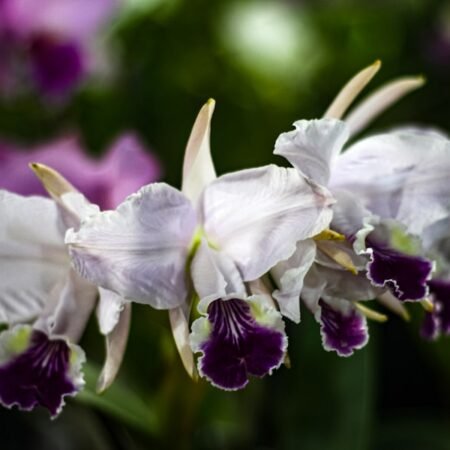

Understanding regional climates is crucial for successful gardening and floral arrangements. Different regions have different climates, which can greatly impact the types of flowers that can thrive in a particular area. For example, regions with hot and dry climates may require drought-resistant flowers, while regions with cooler temperatures and frequent rainfall may be better suited for flowers that thrive in moist conditions. It’s important to research and understand the specific climate of your region in order to choose the right flowers for your garden or floral arrangements.
In addition to temperature and precipitation, factors such as soil type, elevation, and sunlight exposure can also impact regional climates. For example, coastal regions may have milder temperatures and higher humidity, while inland regions may experience more extreme temperature fluctuations. Understanding these nuances can help you select the most suitable flowers for your specific location. By understanding regional climates, you can make informed decisions about which flowers will thrive in your garden or floral arrangements, leading to more successful and beautiful results.
Year-Round Floral Options
In some regions, the climate allows for year-round floral options, while in others, certain seasons may limit the availability of flowers. Understanding the year-round floral options in your region can help you plan and design beautiful gardens and floral arrangements that are always in bloom. For example, in temperate climates, there may be a wide variety of flowers that bloom throughout the year, while in colder climates, winter may limit the availability of certain flowers. By researching and selecting flowers that bloom at different times of the year, you can create a garden or floral arrangements that are constantly evolving and changing with the seasons.
In addition to natural blooms, there are also options for year-round floral arrangements using artificial or dried flowers. These options can provide a consistent and reliable source of beauty for your home or garden, regardless of the seasonal limitations of natural blooms. By exploring year-round floral options, you can create stunning and diverse displays that bring color and life to your surroundings throughout the year.
Resilient Flowers for Challenging Climates
For those living in challenging climates, it’s important to select resilient flowers that can withstand extreme temperatures, limited water, or other environmental stressors. Drought-resistant flowers such as lavender, yarrow, and sedum are excellent choices for hot and dry climates, as they require minimal water and can thrive in harsh conditions. In colder climates, hardy perennials like coneflowers, black-eyed Susans, and Russian sage can withstand freezing temperatures and still produce beautiful blooms.
In addition to selecting resilient flowers, it’s important to provide proper care and maintenance to help them thrive in challenging climates. This may include regular watering, mulching to retain moisture, and protecting plants from extreme weather conditions. By choosing resilient flowers and providing proper care, you can create a beautiful garden or floral arrangements that can withstand the challenges of your specific climate.
Tips for Maintaining Floral Beauty
Maintaining floral beauty requires regular care and attention to ensure that your flowers remain healthy and vibrant. Proper watering, fertilizing, pruning, and pest control are essential tasks for maintaining the beauty of your garden or floral arrangements. Watering should be done consistently and deeply to encourage strong root growth and prevent wilting. Fertilizing with a balanced fertilizer can provide essential nutrients for healthy growth and abundant blooms.
Pruning is also important for maintaining floral beauty, as it helps shape plants and encourage new growth. Deadheading spent blooms can also promote continuous flowering throughout the season. Additionally, keeping an eye out for pests and diseases is crucial for maintaining the health and beauty of your flowers. By following these tips for maintaining floral beauty, you can ensure that your garden or floral arrangements remain stunning and vibrant.
Sustainable Gardening Practices
Incorporating sustainable gardening practices is not only beneficial for the environment but also for the long-term health and beauty of your garden. Using organic fertilizers and natural pest control methods can help minimize the impact on the environment while promoting healthy soil and plants. Composting kitchen scraps and yard waste can provide valuable nutrients for your garden while reducing waste sent to landfills.
Choosing native plants and drought-resistant flowers can also contribute to sustainable gardening practices by reducing water consumption and promoting biodiversity. Additionally, using mulch to retain moisture and suppress weeds can help conserve water and reduce the need for chemical weed control. By incorporating sustainable gardening practices into your routine, you can create a beautiful and environmentally friendly garden that thrives for years to come.
Local Resources for Floral Enthusiasts
For floral enthusiasts, there are a variety of local resources available to support their passion for gardening and floral design. Local nurseries and garden centers often offer a wide selection of flowers, plants, and gardening supplies, as well as expert advice on plant care and landscaping. Many communities also have gardening clubs or societies where members can share knowledge, resources, and experiences with other enthusiasts.
In addition to local resources, there are also online communities and forums where floral enthusiasts can connect with others who share their passion. These platforms provide opportunities to learn from experienced gardeners, exchange ideas, and seek advice on specific gardening challenges. By tapping into local resources and online communities, floral enthusiasts can expand their knowledge and connect with like-minded individuals who share their love for gardening and floral design.
Creating a Beautiful and Resilient Garden
Creating a beautiful and resilient garden requires careful planning, thoughtful selection of flowers, and ongoing maintenance. By understanding regional climates and selecting resilient flowers that can thrive in challenging conditions, you can lay the foundation for a successful garden. Incorporating year-round floral options and sustainable gardening practices can help ensure that your garden remains vibrant and beautiful throughout the seasons.
By following tips for maintaining floral beauty and tapping into local resources for support and inspiration, you can cultivate a garden that brings joy and beauty to your surroundings. Whether you’re a seasoned gardener or just starting out, creating a beautiful and resilient garden is a rewarding endeavor that allows you to connect with nature and express your creativity through floral design. With dedication and care, you can create a stunning garden that brings color, fragrance, and life to your outdoor space for years to come.