
Floriography, also known as the language of flowers, has a rich and fascinating history that dates back to ancient times. The practice of using flowers to convey messages and emotions can be traced back to the ancient Greeks, Romans, and Chinese. However, it was during the Victorian era that floriography reached its peak in popularity and significance. In Victorian society, where strict social conventions and etiquette governed interactions between men and women, the language of flowers provided a way for individuals to express their feelings and sentiments in a subtle and meaningful manner.
During the 19th century, books and dictionaries on floriography were widely available, providing detailed interpretations of the symbolic meanings associated with different flowers. This allowed individuals to carefully select and arrange flowers to convey specific messages to their intended recipients. The language of flowers became an integral part of courtship, friendship, and social interactions, with each flower carrying its own unique significance and symbolism. The use of floriography in Victorian society reflected the prevailing values of sentimentality, romance, and the importance of non-verbal communication in expressing emotions.
The language of flowers also played a significant role in literature, art, and popular culture during the Victorian era. Poets and writers often incorporated floral symbolism into their works, using flowers as a metaphor for love, beauty, and the fleeting nature of life. Artists depicted elaborate floral arrangements in paintings and illustrations, further popularizing the use of floriography as a means of conveying emotions and messages. The language of flowers became a sophisticated and nuanced form of communication that added depth and complexity to social interactions in Victorian society.
Symbolism and Meanings: Understanding the various flowers and their symbolic meanings in the Victorian language of flowers.
In the language of flowers, each flower carries its own unique symbolic meaning, allowing individuals to convey specific emotions and messages through their choice of blooms. Roses, for example, are perhaps the most well-known flowers in floriography, with each color representing a different sentiment. Red roses symbolize passionate love, while pink roses convey admiration and gratitude. White roses are associated with purity and innocence, making them a popular choice for weddings and other ceremonial occasions. Similarly, lilies are often used to symbolize purity, virtue, and renewal, while daisies represent innocence and loyal love.
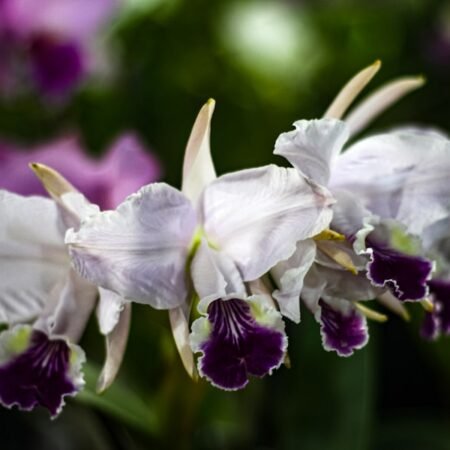
Other popular flowers in floriography include violets, which symbolize faithfulness and modesty, and forget-me-nots, which convey true love and remembrance. The language of flowers also includes more exotic blooms such as orchids, which are associated with luxury, beauty, and strength, and sunflowers, which symbolize adoration and loyalty. By carefully selecting and arranging these flowers, individuals were able to convey complex emotions and sentiments without the need for verbal communication.
The symbolic meanings of flowers in floriography were not limited to romantic or sentimental messages. Many flowers were also associated with specific virtues or qualities, making them suitable for a wide range of social interactions. For example, daffodils were used to symbolize new beginnings and rebirth, making them an appropriate choice for graduations or career milestones. Similarly, chrysanthemums were associated with loyalty and friendship, making them a popular choice for gifts between friends. The language of flowers provided a nuanced and sophisticated way for individuals to express their feelings and intentions in a variety of social contexts.
The Language of Color: Exploring the significance of different flower colors and their representation in floriography.
In addition to the specific meanings associated with individual flowers, the color of a flower also held great significance in the language of flowers. Different flower colors were used to convey specific emotions and sentiments, adding an extra layer of complexity to the practice of floriography. For example, red flowers were often associated with passionate love and desire, while pink flowers represented admiration and gratitude. White flowers were used to symbolize purity, innocence, and spiritual love, making them a popular choice for weddings and religious ceremonies.
Similarly, yellow flowers were associated with joy, friendship, and happiness, while blue flowers represented tranquility, serenity, and calmness. Purple flowers were often used to convey royalty, dignity, and admiration, while orange flowers symbolized energy, enthusiasm, and warmth. By carefully selecting flowers of a specific color, individuals were able to convey subtle nuances of emotion and sentiment in their floral arrangements.
The language of color in floriography was not limited to individual flowers; it also extended to the combination of different colored blooms in a single arrangement. For example, a bouquet of red and white roses could be used to convey unity and harmony in a romantic relationship, while a mix of yellow and orange flowers could represent joyous celebrations and festive occasions. The use of color in floriography added depth and richness to the symbolic meanings associated with different flowers, allowing individuals to create intricate and meaningful floral arrangements that conveyed complex emotions and messages.
Communication through Flowers: How the language of flowers was used as a form of non-verbal communication in Victorian times.
In Victorian society, where strict social conventions often limited the expression of emotions through verbal communication, the language of flowers provided a valuable means of conveying sentiments and intentions without the need for words. Flowers were used as a form of non-verbal communication in a wide range of social interactions, from courtship and romance to friendship and familial relationships. By carefully selecting and arranging specific flowers, individuals were able to express their feelings in a subtle yet meaningful manner.
For example, a suitor could send a bouquet of red roses to express his passionate love for a woman, while a friend could give a bouquet of yellow daisies to convey joy and friendship. Similarly, a grieving individual could receive white lilies as a symbol of sympathy and support during a time of loss. The language of flowers allowed individuals to communicate their emotions and intentions with elegance and sophistication, adding depth and nuance to their social interactions.
Flowers were also used as a means of expressing complex emotions that were difficult to articulate through verbal communication alone. For example, an individual could send a bouquet of mixed flowers to convey a range of emotions such as love, gratitude, and admiration without having to explicitly state them. Similarly, the use of specific flower colors allowed individuals to convey subtle nuances of emotion that may have been difficult to express directly. The language of flowers provided a powerful tool for non-verbal communication in Victorian society, allowing individuals to navigate the complexities of social interactions with grace and elegance.
Popular Flowers in Floriography: Discovering the most commonly used flowers and their meanings in the Victorian language of flowers.
The language of flowers encompassed a wide variety of blooms, each with its own unique symbolic meaning that allowed individuals to convey specific emotions and sentiments. Some of the most popular flowers in floriography included roses, lilies, violets, daisies, orchids, sunflowers, daffodils, chrysanthemums, and forget-me-nots. Each of these flowers carried its own distinct symbolism that made it suitable for different social interactions and occasions.
Roses were perhaps the most iconic flowers in floriography, with each color representing a different sentiment. Red roses symbolized passionate love, while pink roses conveyed admiration and gratitude. White roses were associated with purity and innocence, making them a popular choice for weddings and other ceremonial occasions. Lilies were often used to symbolize purity, virtue, and renewal, while violets represented faithfulness and modesty. Daisies were associated with innocence and loyal love, while orchids symbolized luxury, beauty, and strength.
Sunflowers were used to convey adoration and loyalty, while daffodils symbolized new beginnings and rebirth. Chrysanthemums were associated with loyalty and friendship, making them a popular choice for gifts between friends. Forget-me-nots conveyed true love and remembrance. By carefully selecting from this diverse array of flowers, individuals were able to create intricate floral arrangements that conveyed complex emotions and messages in the language of flowers.
The Decline of Floriography: Examining the reasons behind the decline of the language of flowers and its relevance in modern times.
Despite its popularity during the Victorian era, the language of flowers gradually declined in significance as social norms evolved and communication methods changed. The decline of floriography can be attributed to several factors, including shifts in cultural values, changes in social etiquette, and advancements in communication technology. As society moved away from strict social conventions that governed interactions between men and women, the need for non-verbal communication through floral arrangements diminished.
Additionally, advancements in communication technology such as telephones and telegraphs made it easier for individuals to express their feelings directly through verbal communication rather than relying on symbolic gestures such as floral arrangements. As social norms became more relaxed and direct forms of communication became more prevalent, the use of floriography as a means of conveying emotions gradually declined.
Furthermore, the decline of floriography can also be attributed to changes in floral preferences and trends. As new varieties of flowers became available through global trade and horticultural advancements, individuals began to favor exotic blooms that were not traditionally associated with specific symbolic meanings. This shift in floral preferences led to a decline in the use of traditional symbolic flowers in floriography.
Revival of Floriography: The resurgence of interest in the language of flowers and its use in contemporary floral arrangements and gifts.
In recent years, there has been a resurgence of interest in the language of flowers as individuals seek meaningful ways to express their emotions through floral arrangements and gifts. The revival of floriography can be attributed to several factors, including a growing appreciation for traditional customs and practices, an interest in symbolism and meaning in gift-giving, and a desire for more personal and thoughtful forms of communication.
Contemporary florists have embraced the language of flowers as a way to create unique and personalized floral arrangements that convey specific emotions and sentiments. By carefully selecting from a wide variety of blooms with distinct symbolic meanings, florists are able to create intricate arrangements that speak volumes without the need for words. This resurgence has led to a renewed interest in traditional symbolic flowers such as roses, lilies, violets, daisies, orchids, sunflowers, daffodils, chrysanthemums, forget-me-nots.
The revival of floriography has also been fueled by an interest in mindfulness and intentionality in gift-giving. As individuals seek more meaningful ways to express their feelings through gifts, the language of flowers provides a thoughtful and elegant means of conveying emotions without relying on material possessions alone. By incorporating traditional symbolic flowers into their gift-giving practices, individuals are able to create more personal and heartfelt gestures that carry deeper meaning.
In conclusion,
The language of flowers has a rich history that dates back to ancient times but reached its peak in popularity during the Victorian era when it was used as a sophisticated form of non-verbal communication in social interactions. Each flower carries its own unique symbolic meaning that allows individuals to convey specific emotions without the need for words. The decline of floriography can be attributed to shifts in cultural values, changes in social etiquette, advancements in communication technology as well as changes in floral preferences.
However,
In recent years there has been a resurgence of interest in the language of flowers as individuals seek meaningful ways to express their emotions through floral arrangements and gifts. Contemporary florists have embraced the language of flowers as a way to create unique personalized floral arrangements that convey specific emotions sentiments leading to renewed interest in traditional symbolic flowers such as roses lilies violets daisies orchids sunflowers daffodils chrysanthemums forget-me-nots among others.
This revival of the language of flowers has also led to a greater appreciation for the cultural and historical significance of specific blooms, as well as a renewed interest in the art of flower arranging. As people seek to connect with nature and express their feelings in a more thoughtful and personalized way, the language of flowers has become a meaningful and cherished aspect of gift-giving and floral design. Whether it’s a romantic gesture, a gesture of sympathy, or a simple expression of gratitude, the language of flowers offers a beautiful and timeless way to communicate emotions and sentiments.