
Allergies are a common health issue that affects millions of people worldwide. An allergy is an overreaction of the immune system to a substance that is normally harmless, such as pollen, dust, or pet dander. When a person with allergies comes into contact with an allergen, their immune system produces antibodies that trigger the release of histamine and other chemicals, leading to symptoms such as sneezing, itching, and congestion. Allergies can range from mild to severe, and can significantly impact a person’s quality of life.
There are many different types of allergies, including seasonal allergies, food allergies, and pet allergies. Seasonal allergies, also known as hay fever or allergic rhinitis, are triggered by pollen from trees, grasses, and weeds. These allergies are most common in the spring and fall when plants are in bloom. Food allergies can cause a range of symptoms, from hives and stomach pain to life-threatening anaphylaxis. Pet allergies are triggered by proteins found in an animal’s skin cells, urine, or saliva, and can cause symptoms such as sneezing, itchy eyes, and asthma. Understanding the basics of allergies is the first step in managing and minimizing their impact on your life.
Choosing Allergy-Friendly Flowers for Your Home
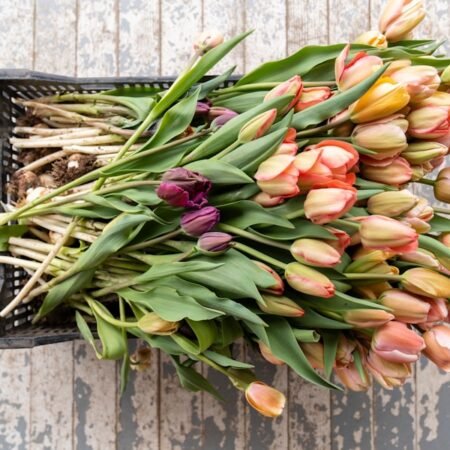
For many people with allergies, the idea of having fresh flowers in their home can be daunting. However, there are several types of flowers that are less likely to trigger allergy symptoms. Some allergy-friendly flowers include roses, daffodils, tulips, and snapdragons. These flowers produce less pollen and are less likely to cause allergic reactions. Additionally, choosing flowers with large, heavy blooms can help minimize the spread of pollen in your home. It’s also important to keep fresh flowers well-watered and to remove any dead or dying blooms to prevent the release of pollen.
When selecting flowers for your home, it’s also important to consider the fragrance of the flowers. Some people with allergies may be sensitive to strong floral scents, which can exacerbate their symptoms. Opting for flowers with a mild or no fragrance can help minimize the risk of triggering allergy symptoms. Additionally, it’s important to keep your home well-ventilated and to regularly clean and dust to minimize the presence of allergens. By choosing allergy-friendly flowers and taking steps to minimize allergens in your home, you can enjoy the beauty of fresh flowers without the worry of allergy symptoms.
Tips for Minimizing Allergy Symptoms
There are several steps you can take to minimize allergy symptoms and create a more allergy-friendly environment in your home. One of the most important things you can do is to keep your home clean and free of allergens. Regularly vacuuming carpets and upholstery, dusting surfaces, and washing bedding can help reduce the presence of allergens such as dust mites, pet dander, and pollen. Using high-efficiency particulate air (HEPA) filters in your vacuum cleaner and air purifier can also help trap allergens and improve indoor air quality.
Another important step in minimizing allergy symptoms is to keep windows closed during peak pollen seasons and to use air conditioning with a clean filter to filter out allergens. It’s also important to regularly clean and maintain your air conditioning system to ensure it is functioning properly. Additionally, using allergen-proof covers on pillows and mattresses can help reduce exposure to dust mites and other allergens while you sleep. Taking these steps to minimize allergens in your home can help reduce allergy symptoms and improve your overall quality of life.
Creating an Allergy-Friendly Garden
If you enjoy spending time outdoors and gardening, creating an allergy-friendly garden can help minimize your exposure to allergens while still allowing you to enjoy the beauty of nature. When selecting plants for your garden, it’s important to choose low-allergen plants that produce minimal pollen. Some allergy-friendly plants include roses, daffodils, tulips, and snapdragons. These plants produce less pollen and are less likely to trigger allergy symptoms. It’s also important to choose plants with large, heavy blooms that are less likely to release pollen into the air.
In addition to choosing allergy-friendly plants, it’s important to keep your garden well-maintained to minimize the presence of allergens. Regularly watering your plants can help prevent the release of pollen into the air. It’s also important to remove any dead or dying blooms and to keep your garden free of weeds, which can produce pollen that triggers allergies. By creating an allergy-friendly garden, you can enjoy spending time outdoors without the worry of allergy symptoms.
Alternatives to Fresh Flowers
If you have severe allergies or simply prefer not to have fresh flowers in your home, there are several alternatives that can still bring beauty and color into your space. One option is to choose artificial flowers or plants that closely resemble real flowers. High-quality artificial flowers can be a great alternative for people with allergies, as they do not produce pollen or trigger allergy symptoms. Additionally, artificial flowers require minimal maintenance and can be enjoyed year-round.
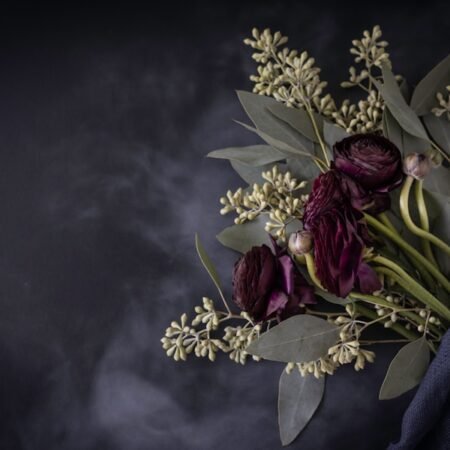
Another alternative to fresh flowers is to choose dried or preserved flowers. Dried flowers can add a unique and rustic touch to your home decor while minimizing the risk of triggering allergy symptoms. Many types of flowers can be dried or preserved, including roses, lavender, and eucalyptus. Dried flowers can be displayed in vases or used in wreaths and other decorative arrangements. By choosing alternatives to fresh flowers, you can still enjoy the beauty of flowers without the worry of allergy symptoms.
Enjoying Flowers Without the Allergy Symptoms
For many people with allergies, the idea of enjoying flowers without experiencing allergy symptoms may seem impossible. However, there are several steps you can take to minimize your exposure to allergens while still enjoying the beauty of flowers. One option is to keep fresh flowers in well-ventilated areas of your home and to regularly clean and dust to minimize the presence of pollen and other allergens. It’s also important to keep fresh flowers well-watered and to remove any dead or dying blooms to prevent the release of pollen.
Another option for enjoying flowers without allergy symptoms is to choose low-allergen flowers that are less likely to trigger allergic reactions. Some allergy-friendly flowers include roses, daffodils, tulips, and snapdragons. These flowers produce less pollen and are less likely to cause allergy symptoms. Additionally, choosing flowers with a mild or no fragrance can help minimize the risk of triggering allergy symptoms. By taking these steps, you can enjoy the beauty of flowers without the worry of allergy symptoms.
Seeking Professional Help for Severe Allergies
For some people with severe allergies, managing their symptoms on their own may not be enough. If you have severe allergies that significantly impact your quality of life, it’s important to seek professional help from an allergist or immunologist. These healthcare professionals specialize in diagnosing and treating allergies and can help you develop a personalized treatment plan to manage your symptoms.
One common treatment for allergies is allergy shots, also known as immunotherapy. Allergy shots involve receiving regular injections of small amounts of allergens over time to help your body build up a tolerance to those allergens. This can help reduce the severity of your allergy symptoms over time. Additionally, there are several medications available to help manage allergy symptoms, including antihistamines, decongestants, nasal corticosteroids, and allergy eye drops.
In some cases, severe allergies may require more advanced treatments such as biologic medications or oral immunotherapy. Biologic medications are a type of treatment that targets specific pathways in the immune system that contribute to allergic reactions. Oral immunotherapy involves gradually introducing small amounts of an allergen into your system through oral doses in order to build up a tolerance over time.
If you have severe allergies that significantly impact your quality of life, it’s important to seek professional help from an allergist or immunologist who can help you develop a personalized treatment plan tailored to your specific needs.
In conclusion, allergies are a common health issue that affects millions of people worldwide. Understanding the basics of allergies is the first step in managing and minimizing their impact on your life. Choosing allergy-friendly flowers for your home and creating an allergy-friendly garden can help minimize exposure to allergens while still enjoying the beauty of nature. There are also alternatives to fresh flowers that can bring beauty and color into your space without triggering allergy symptoms.
Taking steps to minimize allergens in your home and seeking professional help for severe allergies can help reduce allergy symptoms and improve your overall quality of life. By taking these steps, you can enjoy the beauty of flowers without the worry of allergy symptoms and create a more allergy-friendly environment in your home.