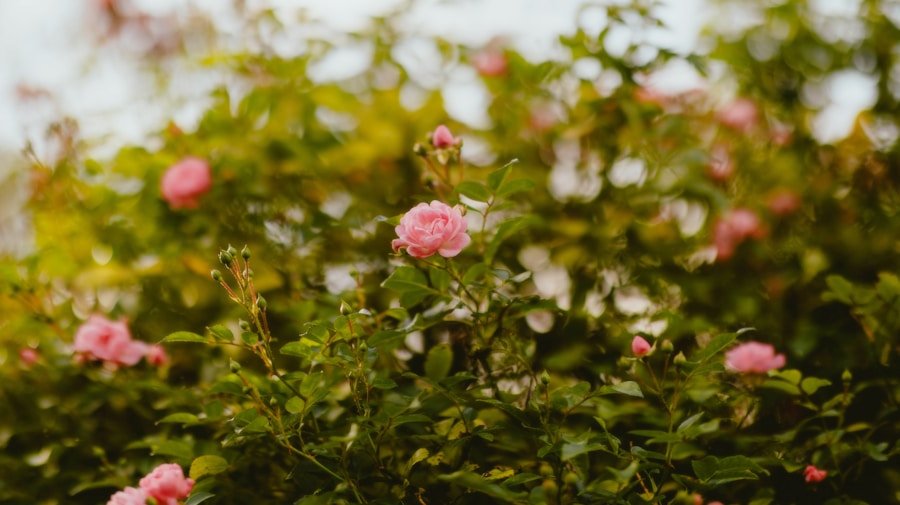

Spring is a time of renewal and rebirth, and one of the most beautiful signs of this season is the emergence of wildflowers. These delicate and colorful blooms can be found in meadows, forests, and along roadsides, adding a burst of color to the landscape. Spring wildflowers come in a variety of shapes, sizes, and colors, and each one has its own unique beauty. From the vibrant bluebells to the elegant tulips, spring wildflowers are a sight to behold and a reminder of the beauty and resilience of nature.
As the days grow longer and the temperatures begin to rise, the first signs of spring wildflowers start to appear. These blooms are a welcome sight after the long, cold winter months, and they bring joy to nature enthusiasts, hikers, and photographers alike. Spring wildflowers are not only beautiful to look at, but they also play an important role in the ecosystem, providing food for pollinators and adding to the overall biodiversity of an area. In this article, we will explore some of the most popular spring wildflowers, as well as some lesser-known varieties, and provide tips for finding and photographing these stunning blooms.
The Beauty of Bluebells
One of the most iconic spring wildflowers is the bluebell. These delicate, bell-shaped flowers can be found in woodlands and meadows across the Northern Hemisphere, and their vibrant blue color is a sight to behold. Bluebells typically bloom in April and May, carpeting the forest floor with a sea of blue. These flowers are not only beautiful to look at, but they also have a sweet, musky scent that adds to their allure.
Bluebells are a favorite subject for photographers and nature lovers, and many people flock to woodlands and parks to catch a glimpse of these stunning blooms. In addition to their beauty, bluebells also play an important role in the ecosystem, providing nectar for bees and other pollinators. However, bluebells are also at risk from habitat loss and over-harvesting, so it is important to admire them from a distance and avoid picking or trampling them. Overall, bluebells are a true symbol of spring and a reminder of the beauty that can be found in nature.
The Allure of Tulips
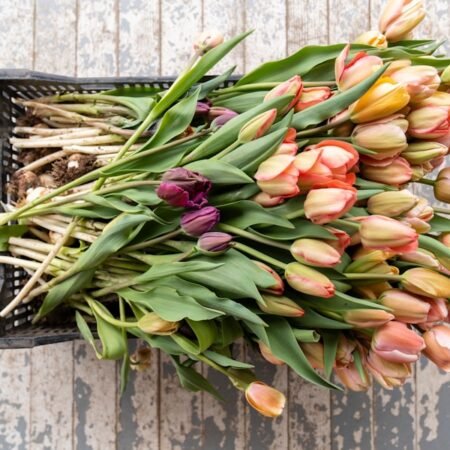
Tulips are another beloved spring wildflower, known for their elegant shape and vibrant colors. These flowers originated in Central Asia and were brought to Europe in the 16th century, where they quickly became popular for their beauty and variety. Today, tulips can be found in gardens and parks around the world, and they are a symbol of spring and renewal. Tulips come in a wide range of colors, including red, yellow, pink, purple, and white, and their cup-shaped blooms make them a favorite for flower arrangements and bouquets.
Tulips are also a popular subject for photographers, who flock to tulip festivals and gardens to capture their beauty. In addition to their aesthetic appeal, tulips also have cultural significance in many countries, including the Netherlands, where they are celebrated during the annual Tulip Festival. However, like many spring wildflowers, tulips are at risk from habitat loss and over-harvesting, so it is important to admire them responsibly and support efforts to conserve their natural habitats.
Lesser-Known Spring Wildflowers
While bluebells and tulips may be some of the most well-known spring wildflowers, there are many other varieties that are equally stunning and deserving of attention. Some lesser-known spring wildflowers include trilliums, bloodroot, hepatica, and trout lilies. These flowers can be found in woodlands, meadows, and along streams, adding pops of color to the landscape. Trilliums, for example, have three-petaled blooms in shades of white, pink, or purple, while bloodroot has delicate white flowers with yellow centers.
These lesser-known spring wildflowers may not have the same level of recognition as bluebells or tulips, but they are just as beautiful and important to the ecosystem. Many of these flowers are also at risk from habitat loss and over-harvesting, so it is important to appreciate them responsibly and support efforts to protect their natural habitats. By learning about and appreciating these lesser-known spring wildflowers, we can gain a deeper appreciation for the diversity and beauty of nature.
Where to Find Spring Wildflowers
Spring wildflowers can be found in a variety of habitats, from woodlands and meadows to wetlands and along roadsides. Many parks and nature reserves have designated wildflower areas where visitors can see these blooms up close. Woodlands are a particularly good place to find spring wildflowers such as bluebells and trilliums, while meadows are home to a wide variety of blooms including daisies, violets, and buttercups.
In addition to natural areas, many botanical gardens and arboretums have extensive collections of spring wildflowers that can be enjoyed by visitors. These gardens often have designated wildflower walks or tours that showcase the diversity of spring blooms. Whether you are exploring a local park or visiting a botanical garden, there are plenty of opportunities to see spring wildflowers in all their glory.
Tips for Photographing Spring Wildflowers
Photographing spring wildflowers can be a rewarding experience for nature enthusiasts and photographers alike. To capture the beauty of these blooms, it is important to consider factors such as lighting, composition, and perspective. When photographing spring wildflowers, it is best to shoot during the early morning or late afternoon when the light is soft and warm. This will help bring out the colors and details of the flowers without harsh shadows.
Composition is also key when photographing spring wildflowers. Consider using different angles and perspectives to create visually interesting images. Get down low to capture the flowers from their level or experiment with close-up shots to highlight their intricate details. It is also important to be mindful of your surroundings and avoid trampling or disturbing the natural habitat of the flowers. By following these tips, you can capture stunning images of spring wildflowers while respecting their natural environment.
Conservation and Protection of Spring Wildflowers
As with all aspects of nature, it is important to take steps to conserve and protect spring wildflowers for future generations to enjoy. Habitat loss, climate change, over-harvesting, and invasive species are all threats to the survival of these delicate blooms. To help protect spring wildflowers, individuals can support conservation efforts by volunteering with local environmental organizations or donating to causes that work to preserve natural habitats.
In addition to supporting conservation efforts, individuals can also take steps to appreciate spring wildflowers responsibly. This includes refraining from picking or trampling flowers in their natural habitat and avoiding purchasing wildflower bouquets that may have been harvested unsustainably. By taking these small actions, we can all play a part in preserving the beauty and diversity of spring wildflowers for generations to come.
In conclusion, spring wildflowers are a beautiful reminder of the renewal and rebirth that comes with the changing seasons. From the iconic bluebells to the elegant tulips and lesser-known varieties such as trilliums and bloodroot, these blooms add color and vibrancy to the landscape. By learning about these flowers, appreciating them responsibly, and supporting conservation efforts, we can ensure that future generations will be able to enjoy the beauty of spring wildflowers for years to come.