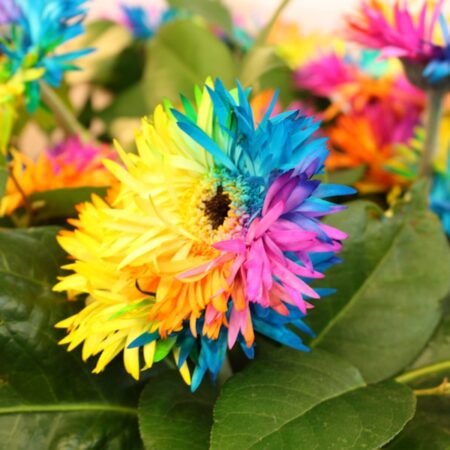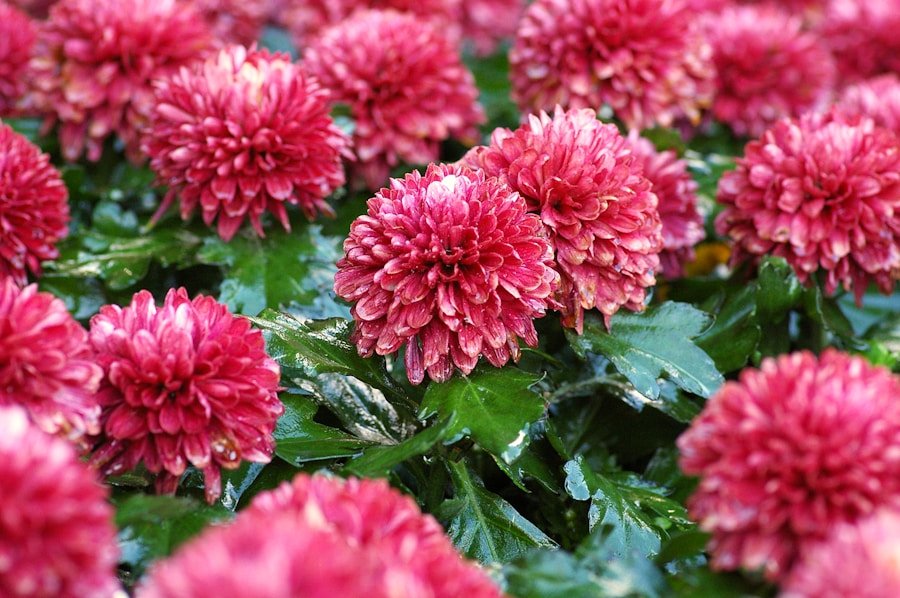

Chrysanthemums have long been associated with autumn festivals in many cultures around the world. In Japan, the chrysanthemum holds a special significance as it is the national flower and is celebrated during the annual Chrysanthemum Festival, also known as the Festival of Happiness. The flower is seen as a symbol of longevity, rejuvenation, and joy, and is often used in traditional Japanese tea ceremonies and as a decorative element in homes and public spaces during the festival. In China, chrysanthemums are also highly revered and are associated with the ideals of nobility and integrity. During the Double Ninth Festival, also known as the Chongyang Festival, people often wear chrysanthemum badges and drink chrysanthemum wine to ward off evil spirits and bring good luck.
In Western cultures, chrysanthemums are often used as a symbol of grief and are commonly seen at funerals and memorial services. However, during autumn festivals such as Thanksgiving and Halloween, chrysanthemums are also used as decorative elements to symbolize abundance, gratitude, and the changing of the seasons. The vibrant colors of chrysanthemums, including reds, oranges, and yellows, are reminiscent of the autumn foliage and add a festive touch to the celebrations. Overall, the symbolism of chrysanthemums in autumn festivals varies across different cultures, but they are universally seen as a representation of joy, longevity, and the beauty of nature.
The Significance of Marigolds in Autumn Festival Celebrations
Marigolds have a rich history of significance in autumn festival celebrations around the world. In Mexico, marigolds play a central role in the annual Day of the Dead festival, where they are used to create elaborate altars and decorations to honor deceased loved ones. The vibrant orange and yellow hues of marigolds are believed to guide the spirits of the dead back to their families during this time of remembrance. In India, marigolds are also highly revered and are used in various religious ceremonies and festivals, including Diwali, the Festival of Lights. The flowers are seen as a symbol of prosperity and are used to decorate homes and temples during the festival.
In Western cultures, marigolds are often associated with autumn festivals such as Halloween and Thanksgiving. The bright colors and strong fragrance of marigolds make them a popular choice for festive decorations, including wreaths, centerpieces, and garlands. In addition to their decorative use, marigolds are also believed to have medicinal properties and are used in traditional herbal remedies for various ailments. Overall, marigolds hold great significance in autumn festival celebrations across different cultures, symbolizing remembrance, prosperity, and the beauty of nature.
The Historical and Cultural Importance of Flowers in Autumn Festivals
Flowers have played a significant role in autumn festival celebrations throughout history, serving as symbols of cultural traditions, religious beliefs, and seasonal transitions. In ancient civilizations such as Egypt, Greece, and Rome, flowers were used in various rituals and ceremonies to honor deities, commemorate the harvest, and mark the changing of the seasons. The use of flowers in autumn festivals has continued to evolve over time, with different cultures incorporating their own unique customs and symbolism into their celebrations.
In many Asian cultures, flowers hold deep historical and cultural importance in autumn festival traditions. In China, for example, the Mid-Autumn Festival is celebrated with the exchange of mooncakes and the giving of flowers such as osmanthus and chrysanthemums as tokens of appreciation. In Japan, the annual Chrysanthemum Festival is a time to honor the imperial family and showcase the beauty of chrysanthemums through elaborate displays and exhibitions. In India, flowers such as marigolds and lotus blossoms are used in religious ceremonies and festivals to symbolize purity, prosperity, and spiritual enlightenment. Overall, the historical and cultural importance of flowers in autumn festivals is a testament to their enduring significance in human society.
How Different Cultures Interpret and Use Flowers in Autumn Festivals
The interpretation and use of flowers in autumn festivals vary greatly across different cultures, reflecting the diverse customs, beliefs, and traditions that have been passed down through generations. In Japan, for example, the chrysanthemum holds great significance as the national flower and is celebrated during the Chrysanthemum Festival with intricate floral arrangements and exhibitions. The flower is seen as a symbol of longevity and joy, reflecting the Japanese reverence for nature and the changing seasons. In Mexico, marigolds are used in the annual Day of the Dead festival to create vibrant altars and decorations that honor deceased loved ones. The bright colors and strong fragrance of marigolds are believed to guide the spirits of the dead back to their families during this time of remembrance.
In Western cultures, flowers such as sunflowers, dahlias, and asters are commonly used in autumn festival celebrations to symbolize abundance, gratitude, and the beauty of nature. During Thanksgiving, for example, floral centerpieces featuring seasonal blooms are often used to decorate dining tables and create a festive atmosphere. In addition to their decorative use, flowers are also incorporated into traditional ceremonies and rituals that mark the changing of the seasons. Overall, the interpretation and use of flowers in autumn festivals reflect the unique cultural values and beliefs of each society, highlighting the universal significance of nature’s beauty in human celebrations.
The Role of Flowers in Traditional Autumn Festival Ceremonies
Flowers play a central role in traditional autumn festival ceremonies around the world, serving as symbols of cultural heritage, religious beliefs, and seasonal transitions. In China, for example, flowers such as chrysanthemums and osmanthus are used in various rituals and offerings during the Mid-Autumn Festival to honor ancestors and express gratitude for the harvest. The delicate fragrance and vibrant colors of these flowers add a sense of beauty and elegance to the festivities. In India, flowers such as marigolds and lotus blossoms are used in religious ceremonies and festivals to adorn temples, homes, and public spaces as a symbol of purity, prosperity, and spiritual enlightenment.
In Western cultures, flowers are also an integral part of traditional autumn festival ceremonies such as Thanksgiving and Halloween. Floral arrangements featuring seasonal blooms such as sunflowers, dahlias, and asters are used to decorate homes, churches, and community spaces to create a festive atmosphere that reflects the abundance of nature. In addition to their decorative use, flowers are also incorporated into traditional rituals that mark the changing of the seasons and express gratitude for the bountiful harvest. Overall, the role of flowers in traditional autumn festival ceremonies is a testament to their enduring significance as symbols of beauty, abundance, and cultural heritage.
The Connection Between Flower Symbolism and Autumn Festival Traditions
The connection between flower symbolism and autumn festival traditions is deeply rooted in cultural beliefs, religious practices, and seasonal transitions that have been passed down through generations. In many Asian cultures such as China and Japan, flowers hold great symbolic significance in autumn festival traditions. For example, during the Mid-Autumn Festival in China, flowers such as chrysanthemums and osmanthus are used to honor ancestors and express gratitude for the harvest. The delicate fragrance and vibrant colors of these flowers reflect the beauty of nature and add a sense of elegance to the festivities.
In Western cultures, flower symbolism is also deeply intertwined with autumn festival traditions such as Thanksgiving and Halloween. Flowers such as sunflowers, dahlias, and asters are used to symbolize abundance, gratitude, and the changing of the seasons. Floral arrangements featuring seasonal blooms are used to decorate homes, churches, and community spaces to create a festive atmosphere that reflects the bounty of nature. Overall, the connection between flower symbolism and autumn festival traditions highlights the universal significance of nature’s beauty in human celebrations across different cultures.
Modern Interpretations and Uses of Flowers in Autumn Festival Celebrations
In modern times, flowers continue to play an important role in autumn festival celebrations around the world, with new interpretations and uses that reflect contemporary values and trends. In Japan, for example, the Chrysanthemum Festival has evolved to include modern floral exhibitions that showcase innovative designs and arrangements featuring chrysanthemums. The festival has become a platform for florists and artists to showcase their creativity while honoring the cultural significance of this revered flower. In Mexico, marigolds remain a central element in modern Day of the Dead celebrations, with new interpretations that incorporate contemporary art forms such as street murals and installations that pay homage to deceased loved ones.
In Western cultures, modern interpretations of flower use in autumn festival celebrations continue to evolve with changing tastes and preferences. Floral arrangements featuring seasonal blooms such as sunflowers, dahlias, and asters have become more diverse and creative, reflecting a growing interest in sustainable practices and eco-friendly designs. Additionally, flowers are increasingly being incorporated into modern rituals that mark the changing of the seasons while expressing gratitude for nature’s bounty. Overall, modern interpretations and uses of flowers in autumn festival celebrations reflect a continued appreciation for nature’s beauty while embracing new artistic expressions that honor cultural traditions.