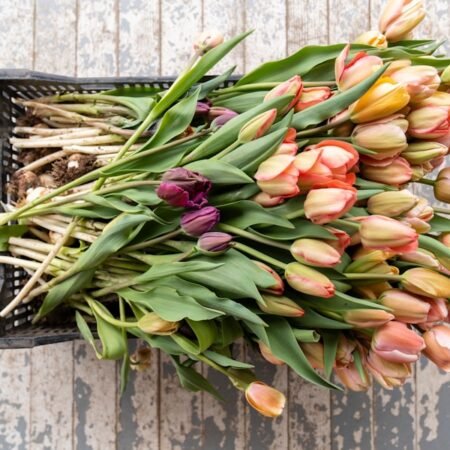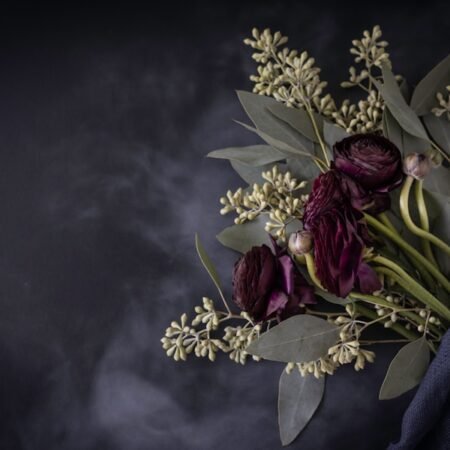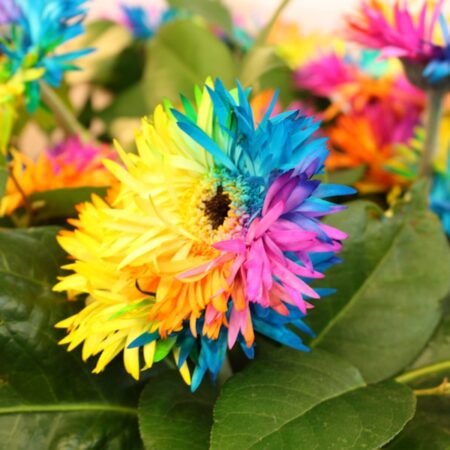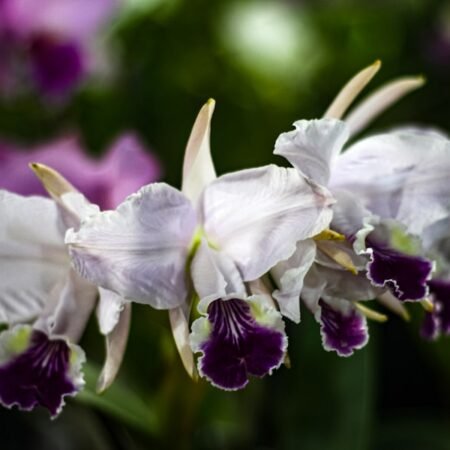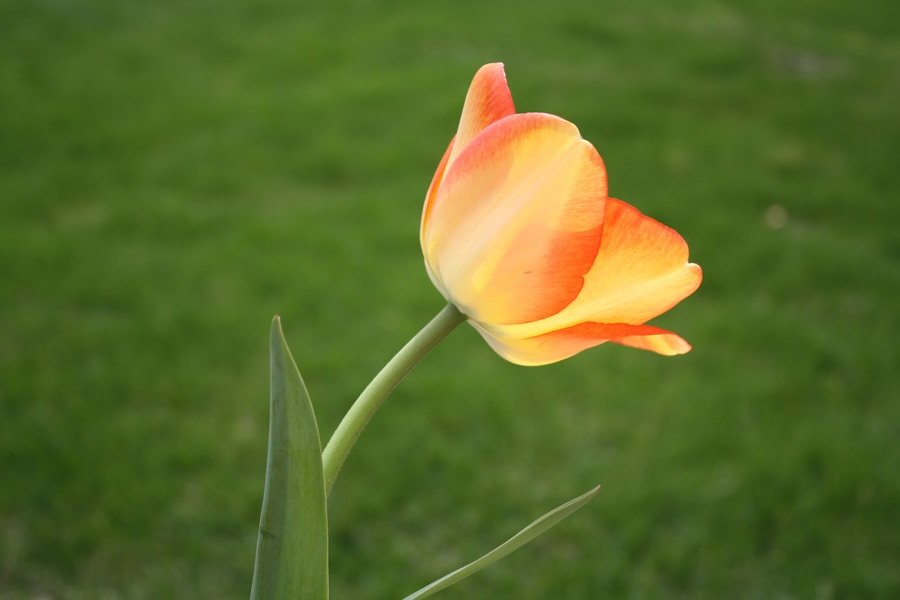

When it comes to choosing the right bulbs for your garden, it’s important to consider the climate in which you live. Different bulbs thrive in different climates, so it’s essential to do your research before making any purchases. For example, if you live in a colder climate, you’ll want to look for bulbs that are hardy and can withstand freezing temperatures. On the other hand, if you live in a warmer climate, you’ll want to choose bulbs that can handle the heat and humidity. Some popular bulb choices for colder climates include tulips, daffodils, and hyacinths, while lilies, gladiolus, and dahlias are better suited for warmer climates. By selecting bulbs that are well-suited to your climate, you’ll set yourself up for a successful and beautiful garden.
In addition to considering your climate, it’s also important to think about the specific conditions in your garden. Take note of the amount of sunlight and shade your garden receives, as well as the type of soil you have. Some bulbs prefer full sun, while others thrive in partial shade. Similarly, certain bulbs do best in well-draining soil, while others can tolerate heavier or wetter soil. By taking these factors into account, you can ensure that you’re choosing bulbs that will thrive in your specific garden environment. Ultimately, the key to choosing the right bulbs for your climate is to do your homework and select varieties that are well-suited to the conditions in which they’ll be planted.
Preparing Your Garden for Planting
Before you can start planting your bulbs, it’s important to prepare your garden to ensure that they have the best possible chance of success. The first step in preparing your garden is to clear the area where you plan to plant your bulbs. Remove any weeds, rocks, or debris from the soil, and loosen the earth with a garden fork or tiller. This will help to create a welcoming environment for your bulbs and allow their roots to establish themselves more easily. Once the soil is prepared, it’s a good idea to add some organic matter, such as compost or well-rotted manure, to improve its fertility and structure.
After you’ve amended the soil, it’s time to consider the layout of your garden. Think about the design and placement of your bulbs, taking into account factors such as height, color, and bloom time. Consider creating groupings of bulbs for a more natural look, or planting them in rows or patterns for a more formal appearance. It’s also important to space your bulbs properly to allow for adequate air circulation and prevent overcrowding. By taking the time to prepare your garden before planting, you’ll create an ideal environment for your bulbs to thrive and bloom beautifully.
Planting and Caring for Bulbs
Once your garden is prepared, it’s time to start planting your bulbs. The general rule of thumb is to plant bulbs at a depth that is three times their height, but be sure to check the specific planting instructions for each type of bulb you’re working with. When planting, place the bulb in the hole with the pointed end facing up and cover it with soil, gently firming it down to remove any air pockets. Water the newly planted bulbs thoroughly to help settle the soil and provide them with much-needed moisture.
After planting, it’s important to continue caring for your bulbs throughout their growing season. Keep an eye on the moisture levels in the soil, making sure not to let it dry out completely or become waterlogged. Fertilize your bulbs with a balanced fertilizer in the spring as they begin to emerge from the ground, and again after they have finished blooming. Deadhead any spent flowers to encourage new growth and prevent the plant from expending energy on seed production. Finally, once the foliage has died back naturally, you can cut it back to ground level to tidy up your garden and make way for new growth.
Designing Your Spring Bulb Garden
Designing a spring bulb garden can be a fun and creative process that allows you to showcase your personal style and preferences. When planning your garden design, consider factors such as color, height, bloom time, and texture. Think about how you want your garden to look throughout the spring season and choose bulbs that will complement each other and create a cohesive overall design. For example, you might want to create a monochromatic garden with varying shades of one color, or mix and match different colors for a more vibrant and eclectic look.
In addition to color, consider the height and bloom time of your bulbs when designing your garden. Plant taller bulbs towards the back of your garden beds or borders, and shorter ones towards the front to create depth and visual interest. Similarly, choose bulbs with different bloom times to ensure that your garden will have continuous color throughout the spring season. By carefully planning and designing your spring bulb garden, you can create a beautiful and harmonious display that will bring joy and beauty to your outdoor space.
Companion Planting with Bulbs
Companion planting is a gardening technique that involves planting different types of plants together in order to benefit each other in some way. When it comes to bulbs, there are many companion plants that can be used to enhance their beauty and overall health. For example, planting low-growing ground covers around your bulbs can help to suppress weeds and retain moisture in the soil. Additionally, mixing in some early-blooming perennials or annuals can help to fill in gaps in your garden while your bulbs are still emerging.
In addition to enhancing the visual appeal of your garden, companion planting with bulbs can also help to attract beneficial insects and pollinators. Consider adding some pollinator-friendly plants such as bee balm, salvia, or lavender near your bulb garden to encourage bees and butterflies to visit. These insects can help to pollinate your bulbs and other plants, leading to increased fruit and seed production. By carefully selecting companion plants for your bulb garden, you can create a thriving ecosystem that will benefit all of the plants in your outdoor space.
Extending the Blooming Season
One of the keys to creating a stunning spring bulb garden is to extend the blooming season as much as possible. By carefully selecting different types of bulbs with varying bloom times, you can ensure that your garden will have continuous color from early spring through late spring. Consider planting early-blooming bulbs such as crocuses or snowdrops alongside mid-season bloomers like tulips or daffodils, and finish off with late-blooming varieties such as alliums or irises.
In addition to choosing bulbs with different bloom times, you can also extend the blooming season by staggering your plantings. Instead of planting all of your bulbs at once, consider spreading out your plantings over several weeks or even months. This will help to ensure that you have a steady supply of flowers throughout the spring season rather than a single burst of color all at once. By strategically selecting and planting your bulbs, you can create a spring bulb garden that will provide beauty and joy for an extended period of time.
Maintaining Your Spring Bulb Garden
Once your spring bulb garden is planted and in full bloom, it’s important to continue maintaining it throughout the season. Regular maintenance tasks such as watering, fertilizing, deadheading, and weeding will help to keep your garden looking its best and ensure that your bulbs remain healthy and vibrant. Keep an eye on the moisture levels in the soil, especially during dry spells or hot weather, and water as needed to keep the soil consistently moist but not waterlogged.
Fertilize your bulbs with a balanced fertilizer in the spring as they begin to emerge from the ground, and again after they have finished blooming. This will help to provide them with essential nutrients for healthy growth and flowering. Deadhead any spent flowers as they fade to encourage new growth and prevent the plant from expending energy on seed production. Finally, once the foliage has died back naturally, you can cut it back to ground level to tidy up your garden and make way for new growth.
In addition to these regular maintenance tasks, it’s also important to keep an eye out for any signs of pests or diseases that may affect your bulbs. Inspect your plants regularly for any signs of damage or infestation, and take action promptly if you notice any issues. By staying on top of maintenance tasks and addressing any problems as they arise, you can ensure that your spring bulb garden remains healthy and beautiful throughout the season.
In conclusion, creating a stunning spring bulb garden is a rewarding endeavor that can bring beauty and joy to your outdoor space. By carefully choosing bulbs that are well-suited to your climate and garden conditions, preparing your garden properly for planting, designing a cohesive and harmonious display, companion planting with other plants, extending the blooming season, and maintaining your garden throughout the season, you can create a beautiful and thriving outdoor space that will bring joy for years to come. With careful planning and attention to detail, you can create a spring bulb garden that will be the envy of all who see it.