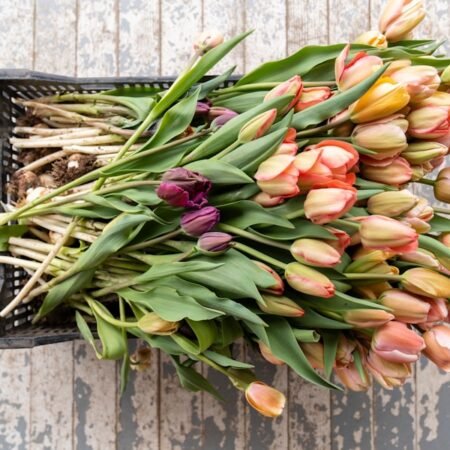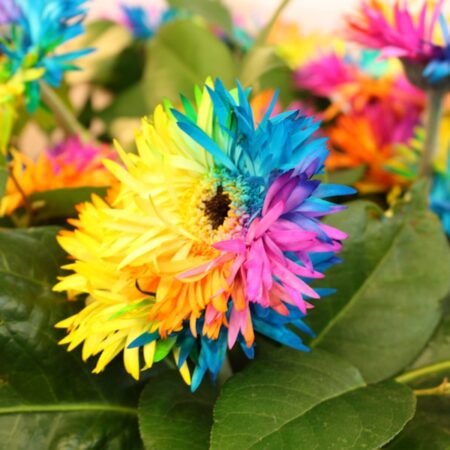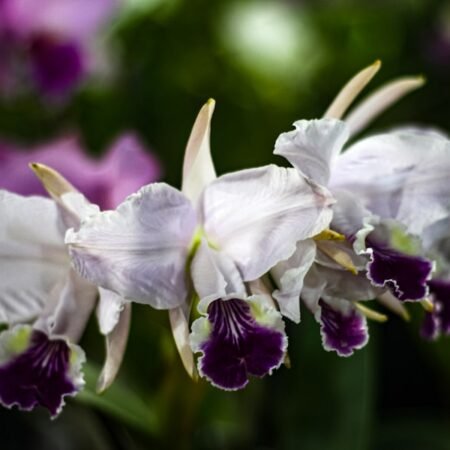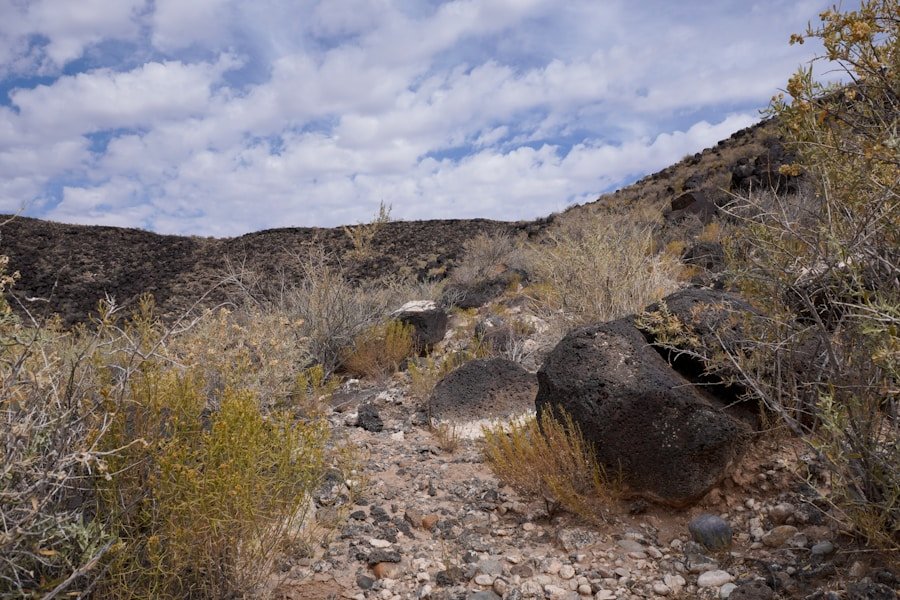

Low-water flowers are a stunning addition to any garden or landscape. These flowers are not only beautiful, but they also require minimal water, making them a great choice for those looking to conserve water and create a sustainable garden. Low-water flowers come in a wide variety of colors, shapes, and sizes, making it easy to find the perfect flowers to complement any outdoor space. From vibrant desert blooms to delicate wildflowers, low-water flowers offer a diverse range of options for gardeners and landscapers alike.
One of the most appealing aspects of low-water flowers is their ability to thrive in arid climates and poor soil conditions. These resilient plants are able to withstand harsh conditions and still produce stunning blooms, making them an ideal choice for those living in dry or drought-prone areas. Additionally, low-water flowers are often low-maintenance, requiring minimal care and attention once established. This makes them a great choice for busy gardeners or those looking to create a low-maintenance landscape design.
Symbolism and Meaning Behind Low-Water Flowers
Low-water flowers hold deep symbolism and meaning in various cultures and traditions around the world. In many cultures, these flowers are seen as symbols of resilience, strength, and endurance, due to their ability to thrive in harsh conditions with minimal water. This symbolism makes low-water flowers a popular choice for gardens and landscapes, as they are often seen as a representation of perseverance and overcoming adversity.
In addition to their symbolism of resilience, low-water flowers also hold various meanings in different cultures. For example, in some Native American traditions, the desert marigold is seen as a symbol of protection and healing, while the desert lily is associated with purity and renewal. Understanding the symbolism and meaning behind low-water flowers can add an extra layer of depth and significance to a garden or landscape design, making them a meaningful and beautiful addition to any outdoor space.
Seasonal Blooms of Low-Water Flowers
Low-water flowers offer a stunning array of seasonal blooms throughout the year, making them a versatile and dynamic choice for gardeners and landscapers. In the spring, low-water flowers such as desert marigolds, penstemons, and desert lupines burst into bloom, filling the landscape with vibrant colors and fragrant scents. These spring blooms are a welcome sight after the long winter months, adding a burst of life and energy to any outdoor space.
As the summer months approach, low-water flowers such as blanket flowers, yucca, and desert zinnias take center stage, offering bold and vibrant blooms that thrive in the heat. These summer blooms are not only beautiful to look at, but they also attract pollinators such as bees and butterflies, adding an extra layer of life and activity to the garden. In the fall, low-water flowers such as autumn sage, Mexican hat, and desert marigolds continue to bloom, offering a stunning display of color and beauty as the seasons change. Understanding the seasonal blooms of low-water flowers can help gardeners and landscapers create a dynamic and ever-changing outdoor space that is filled with beauty and life throughout the year.
How to Care for Low-Water Flowers
Caring for low-water flowers is relatively simple, making them an ideal choice for those looking to create a low-maintenance garden or landscape design. One of the most important aspects of caring for low-water flowers is to ensure that they are planted in well-draining soil. This is essential for preventing waterlogged roots, which can lead to root rot and other issues. Additionally, it is important to water low-water flowers deeply but infrequently, allowing the soil to dry out between waterings. This encourages the plants to develop deep root systems, which helps them withstand drought conditions.
In addition to proper watering, it is important to provide low-water flowers with adequate sunlight. Most low-water flowers thrive in full sun, so it is important to plant them in a location that receives at least six hours of sunlight per day. Finally, regular deadheading and pruning can help promote continuous blooming and keep the plants looking tidy and healthy. By following these simple care guidelines, gardeners can enjoy the beauty of low-water flowers with minimal effort.
Designing a Garden with Low-Water Flowers
Designing a garden with low-water flowers offers endless possibilities for creating a beautiful and sustainable outdoor space. One popular approach is to create a xeriscape garden, which features a diverse array of low-water plants that thrive in arid conditions. Xeriscape gardens often incorporate native plants and natural landscaping techniques to create a visually stunning and environmentally friendly outdoor space. Another popular design approach is to create a cottage garden filled with low-water flowers such as lavender, yarrow, and salvia. These gardens offer a charming and romantic aesthetic that is both beautiful and water-efficient.
In addition to xeriscape and cottage gardens, low-water flowers can also be used to create stunning container gardens, rock gardens, or wildflower meadows. These designs offer endless opportunities for creativity and personal expression, allowing gardeners to create unique and visually striking outdoor spaces that are filled with color and life. Whether creating a small urban garden or a sprawling rural landscape, designing with low-water flowers offers a sustainable and beautiful way to enhance any outdoor space.
Low-Water Flowers for Different Climates
Low-water flowers are available in a wide variety of species that are suitable for different climates and growing conditions. For those living in arid or desert climates, low-water flowers such as desert marigolds, penstemons, and desert lupines are excellent choices that thrive in hot and dry conditions. These plants are able to withstand intense heat and minimal water, making them an ideal choice for those living in desert regions.
For those living in Mediterranean climates with mild winters and hot summers, low-water flowers such as lavender, yarrow, and salvia are excellent choices that thrive in these conditions. These plants are able to withstand periods of drought and high temperatures while still producing stunning blooms throughout the year. In cooler climates with wet winters and dry summers, low-water flowers such as blanket flowers, yucca, and autumn sage are excellent choices that thrive in these conditions. Understanding which low-water flowers are best suited for different climates can help gardeners create a beautiful and sustainable outdoor space that thrives year-round.
Benefits of Incorporating Low-Water Flowers into Landscaping
Incorporating low-water flowers into landscaping offers numerous benefits for both the environment and homeowners. One of the most significant benefits is water conservation, as low-water flowers require minimal irrigation compared to traditional landscaping plants. This not only helps reduce water usage but also lowers water bills for homeowners, making it a cost-effective choice for landscaping.
In addition to water conservation, incorporating low-water flowers into landscaping can also attract pollinators such as bees, butterflies, and hummingbirds. These pollinators play a crucial role in maintaining healthy ecosystems and supporting biodiversity, making them an important addition to any outdoor space. Furthermore, low-water flowers can help reduce maintenance requirements for homeowners, as they often require less pruning, deadheading, and fertilization compared to traditional landscaping plants.
Finally, incorporating low-water flowers into landscaping can enhance the visual appeal of outdoor spaces while promoting sustainability and environmental stewardship. By creating beautiful and sustainable landscapes with low-water flowers, homeowners can enjoy a visually stunning outdoor space that is both environmentally friendly and cost-effective.