
Australia is a vast and diverse country, and as such, its climate varies greatly from region to region. In general, the Australian winter climate can be characterized by cooler temperatures, especially in the southern parts of the country. In these areas, winter temperatures can drop to as low as 5°C (41°F) or even lower, with occasional frosts and even snow in some areas. In the northern parts of Australia, winters are milder, with temperatures rarely dropping below 10°C (50°F). The winter months in Australia typically run from June to August, with July being the coldest month. It’s important to understand the specific climate of your region when choosing winter-resistant flowers for your garden, as some flowers may not be able to withstand the colder temperatures in certain areas.
The Australian winter climate also brings with it shorter days and less sunlight, which can affect the growth and blooming of plants. It’s important to take these factors into consideration when planning and caring for your winter-resistant flower garden. Additionally, the winter months in Australia are often accompanied by increased rainfall, so it’s important to choose flowers that can withstand wet conditions and have good drainage to prevent waterlogging. By understanding the Australian winter climate and its specific challenges, you can better prepare and care for your winter-resistant flower garden.
Choosing the Right Winter-Resistant Flowers for Your Garden
When it comes to choosing the right winter-resistant flowers for your garden, it’s important to consider a few key factors. First and foremost, you’ll want to select flowers that are well-suited to the specific climate of your region. For example, if you live in a cooler southern region of Australia, you’ll want to choose flowers that can withstand colder temperatures and occasional frosts. Some popular winter-resistant flowers for these areas include pansies, violas, and snapdragons, which can add a pop of color to your garden even in the coldest months. On the other hand, if you live in a milder northern region, you may have more options to choose from, such as petunias, dianthus, and calendulas.
In addition to considering the climate of your region, it’s also important to think about the specific conditions of your garden. For example, if your garden receives a lot of direct sunlight during the winter months, you’ll want to choose flowers that can tolerate full sun. On the other hand, if your garden is shaded for most of the day, you’ll want to select flowers that thrive in partial or full shade. By taking these factors into consideration, you can choose the right winter-resistant flowers for your garden that will not only survive but thrive during the colder months.
Best Practices for Planting and Caring for Winter-Resistant Flowers
Once you’ve chosen the right winter-resistant flowers for your garden, it’s important to follow best practices for planting and caring for them to ensure their success. When planting winter-resistant flowers, it’s important to prepare the soil properly by adding organic matter such as compost or well-rotted manure to improve drainage and fertility. This will provide a healthy foundation for your flowers to grow and thrive. It’s also important to plant your flowers at the right time, typically in late autumn or early winter, to give them time to establish their roots before the coldest weather sets in.
In terms of caring for winter-resistant flowers, it’s important to water them regularly, especially during dry periods, as even in winter, plants can still suffer from drought stress. However, it’s important not to overwater them, as this can lead to root rot in poorly drained soil. Additionally, it’s important to feed your winter-resistant flowers with a balanced fertilizer to promote healthy growth and blooming. Finally, it’s important to keep an eye out for pests and diseases that may affect your flowers during the winter months and take appropriate measures to control them. By following these best practices for planting and caring for winter-resistant flowers, you can ensure that they will thrive and bring color to your garden throughout the winter.
Top 5 Winter-Resistant Flowers for Australian Gardens
When it comes to choosing winter-resistant flowers for Australian gardens, there are many options to consider. However, some flowers stand out for their ability to withstand the colder temperatures and bring color and beauty to gardens during the winter months. One popular choice is the pansy, which comes in a wide range of colors and can tolerate cold temperatures and even light frosts. Pansies are also known for their ability to bloom continuously throughout the winter, making them a great choice for adding color to your garden. Another popular winter-resistant flower is the viola, which is similar to the pansy but has smaller flowers and a more delicate appearance. Violas are also known for their ability to bloom profusely throughout the winter months.
Snapdragons are another popular choice for Australian gardens, as they are able to withstand cold temperatures and produce vibrant blooms in a wide range of colors. These tall, upright flowers add height and drama to winter gardens and are often used as focal points or in mixed borders. Dianthus is also a great choice for winter gardens, as it produces fragrant blooms in shades of pink, red, and white and can tolerate cold temperatures and even light frosts. Finally, calendulas are a popular choice for Australian gardens due to their bright orange or yellow blooms that add a cheerful pop of color to winter landscapes. These top 5 winter-resistant flowers are great choices for Australian gardens and can bring beauty and color to your outdoor space even during the coldest months.
Designing a Winter-Resistant Flower Garden
Designing a winter-resistant flower garden requires careful planning and consideration of various factors such as climate, soil conditions, and sunlight exposure. When designing a winter-resistant flower garden, it’s important to choose a variety of flowers that bloom at different times throughout the winter months to ensure continuous color and interest in your garden. It’s also important to consider the height and spread of each flower when planning your garden layout to create a balanced and visually appealing display.
In terms of color selection, it’s important to choose a palette that complements the surrounding landscape and adds interest to your garden during the winter months. For example, you may want to choose a mix of cool-toned flowers such as blues, purples, and whites for a calming and serene effect or opt for warm-toned flowers such as oranges, yellows, and reds for a vibrant and energetic display. Additionally, it’s important to consider foliage when designing a winter-resistant flower garden, as evergreen plants can provide structure and interest even when other plants are not in bloom. By carefully considering these factors and planning your garden layout accordingly, you can create a beautiful and inviting winter-resistant flower garden that will bring joy and beauty to your outdoor space throughout the colder months.
Tips for Protecting Winter-Resistant Flowers from Frost and Cold
While many winter-resistant flowers are able to withstand cold temperatures and even light frosts, it’s still important to take measures to protect them from extreme weather conditions to ensure their survival and continued blooming. One effective way to protect winter-resistant flowers from frost and cold is by covering them with frost cloth or horticultural fleece on nights when temperatures are expected to drop below freezing. This will provide an extra layer of insulation and protection from frost damage while still allowing air and moisture to circulate around the plants.
Another effective way to protect winter-resistant flowers from frost is by applying a layer of mulch around their base to insulate the soil and roots from extreme temperature fluctuations. This will help maintain a more stable soil temperature and prevent damage from freezing or thawing cycles. Additionally, it’s important to avoid watering your plants late in the day during cold weather, as wet foliage can increase the likelihood of frost damage. By following these tips for protecting winter-resistant flowers from frost and cold, you can help ensure their survival and continued blooming throughout the winter months.
Creating a Year-Round Blooming Garden with Winter-Resistant Flowers
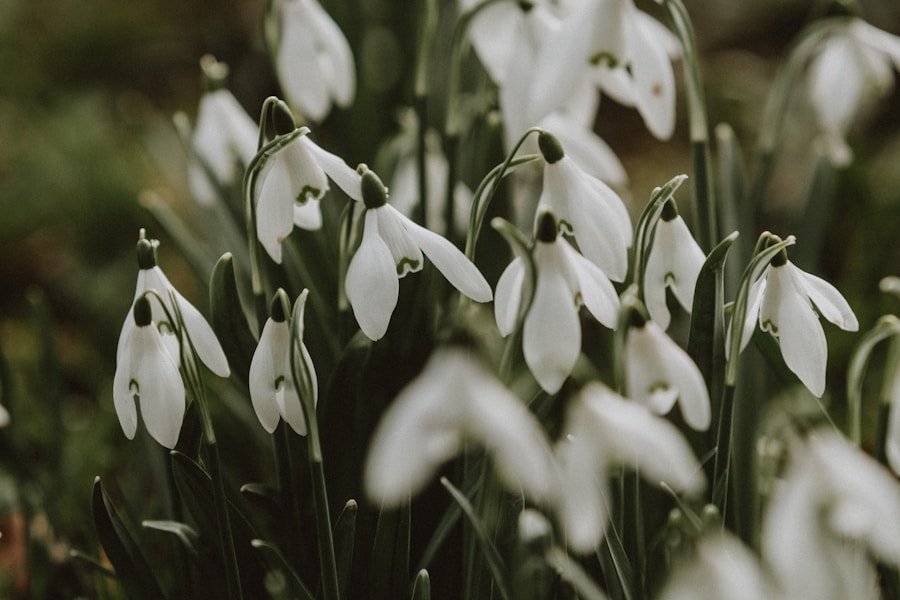
While winter-resistant flowers are essential for adding color and interest to gardens during the colder months, they can also be used strategically to create a year-round blooming garden that provides beauty and enjoyment throughout all seasons. By carefully selecting a variety of winter-resistant flowers that bloom at different times throughout the year, you can create a garden that is constantly changing and evolving with new colors and textures. For example, by choosing early-blooming bulbs such as snowdrops and crocuses along with late-blooming perennials such as hellebores and primroses, you can create a garden that transitions seamlessly from winter into spring.
In addition to choosing a variety of winter-resistant flowers that bloom at different times throughout the year, it’s also important to consider evergreen plants such as shrubs and trees that provide structure and interest even when other plants are not in bloom. By incorporating these plants into your garden design, you can create a visually appealing landscape that remains attractive even during the colder months. Finally, it’s important to consider foliage when creating a year-round blooming garden with winter-resistant flowers, as plants with interesting foliage can provide texture and color even when they are not in bloom. By carefully selecting a variety of plants that bloom at different times throughout the year along with evergreen plants and foliage-rich specimens, you can create a year-round blooming garden that provides beauty and interest throughout all seasons.
In conclusion, understanding the Australian winter climate is essential for choosing the right winter-resistant flowers for your garden. By considering factors such as temperature, sunlight exposure, and soil conditions, you can select flowers that will thrive in your specific region. Once you’ve chosen the right flowers, it’s important to follow best practices for planting and caring for them to ensure their success throughout the colder months. By protecting them from frost and cold and strategically designing your garden layout, you can create a beautiful year-round blooming garden with winter-resistant flowers that brings joy and beauty to your outdoor space no matter the season. With careful planning and consideration of these factors, you can create a stunning garden that provides color and interest even during the coldest months in Australia.