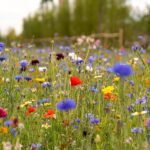
Road trip flowers hold a special symbolism that goes beyond their physical beauty. These flowers, often found along highways and country roads, represent the journey of life and the fleeting nature of time. Their vibrant colors and delicate petals serve as a reminder to appreciate the present moment and to find beauty in unexpected places. Road trip flowers also symbolize resilience and growth, as they are able to thrive in harsh and unpredictable environments. Their ability to bloom and flourish despite the challenges they face serves as a powerful metaphor for the human spirit and our capacity to overcome adversity.
Furthermore, road trip flowers are often associated with freedom and exploration. As they line the open road, they evoke a sense of wanderlust and the thrill of embarking on a new adventure. Their presence along the highways serves as a comforting and familiar sight for travelers, offering a sense of connection to the natural world even in the midst of a fast-paced journey. In this way, road trip flowers symbolize the beauty of the journey itself, rather than just the destination.
The Historical Significance of Roadside Gardens
The tradition of roadside gardens dates back centuries, with evidence of travelers planting flowers and herbs along their routes as far back as ancient Rome. These gardens served both practical and symbolic purposes, providing travelers with medicinal plants and aromatic herbs while also adding beauty to the often monotonous landscape of long journeys. In more recent history, roadside gardens became popular in the United States during the 1930s and 1940s as part of the New Deal’s efforts to beautify highways and provide employment during the Great Depression.
Roadside gardens have also played a significant role in cultural and artistic movements throughout history. The romanticized image of wildflowers blooming along the open road has been immortalized in countless works of literature, poetry, and art, capturing the imagination of generations of travelers. Additionally, roadside gardens have been a source of inspiration for landscape architects and urban planners, influencing the design of public spaces and transportation corridors. Their historical significance lies not only in their practical benefits but also in their ability to inspire creativity and connection to the natural world.
The Resilience and Adaptability of Roadside Flora
One of the most remarkable aspects of road trip flowers is their resilience and adaptability to harsh conditions. These flowers are often found in environments with poor soil quality, limited water supply, and exposure to pollution from passing vehicles. Despite these challenges, they are able to thrive and bloom, showcasing their remarkable ability to adapt to their surroundings. This resilience is a testament to the strength and tenacity of nature, as well as a reminder of the importance of perseverance in the face of adversity.
Furthermore, road trip flowers play a crucial role in supporting local ecosystems and biodiversity. By providing nectar and pollen for pollinators such as bees, butterflies, and birds, these flowers contribute to the health and diversity of the surrounding environment. Their ability to attract and sustain wildlife demonstrates their importance beyond their aesthetic value, highlighting their role in sustaining the delicate balance of nature. In this way, road trip flowers serve as a living example of the interconnectedness of all living things and the importance of preserving natural habitats.
Road Trip Flowers as a Source of Inspiration for Artists and Writers
The sight of road trip flowers blooming along the highway has long captivated the imagination of artists and writers, inspiring countless works of art, poetry, and literature. Their vibrant colors and delicate beauty have been immortalized in paintings, photographs, and sketches, capturing the essence of the open road and the fleeting beauty of nature. Writers have also been drawn to the symbolism of road trip flowers, using them as metaphors for life’s journey, resilience, and the passage of time.
Moreover, road trip flowers have served as a source of inspiration for musicians, filmmakers, and other creative individuals, influencing the themes and imagery found in their work. The romanticized image of wildflowers swaying in the breeze has become synonymous with freedom, adventure, and the allure of the open road. This enduring inspiration found in road trip flowers speaks to their timeless appeal and their ability to evoke a sense of wonder and creativity in those who encounter them.
The Connection Between Road Trip Flowers and Mental Health
The presence of road trip flowers along highways and country roads has been shown to have a positive impact on mental health and well-being. Studies have found that exposure to natural environments, including roadside gardens, can reduce stress, anxiety, and depression while promoting feelings of calmness and relaxation. The vibrant colors and soothing scents of these flowers create a sensory experience that can uplift mood and improve overall mental health.
Furthermore, road trip flowers provide a sense of connection to nature for travelers who may be feeling disconnected from their natural surroundings. The sight of these flowers can serve as a reminder of the beauty and resilience of the natural world, offering a source of comfort and inspiration during long journeys. In this way, road trip flowers play a valuable role in promoting mental well-being for those who encounter them along their travels.
The Environmental Impact of Roadside Gardens
Roadside gardens have a significant environmental impact, contributing to the preservation of local ecosystems and biodiversity. These gardens provide vital habitat for pollinators such as bees, butterflies, and birds, supporting their populations and contributing to the health of surrounding ecosystems. Additionally, road trip flowers help to mitigate air pollution by absorbing carbon dioxide and other pollutants from passing vehicles, improving air quality along highways.
Moreover, roadside gardens play a role in soil conservation by preventing erosion and stabilizing soil along transportation corridors. Their root systems help to hold soil in place, reducing the risk of landslides and other environmental hazards. By contributing to soil health and stability, road trip flowers play a crucial role in maintaining the ecological balance of their surrounding environments.
Preserving and Protecting Road Trip Flowers for Future Generations
As road trip flowers continue to face threats from urban development, habitat loss, and climate change, it is crucial to prioritize their preservation for future generations. Efforts to protect roadside gardens include conservation initiatives, habitat restoration projects, and public education campaigns aimed at raising awareness about the importance of these natural spaces. Additionally, collaboration between government agencies, environmental organizations, and local communities is essential for implementing sustainable practices that support the long-term health and vitality of road trip flowers.
Furthermore, individuals can contribute to the preservation of road trip flowers by supporting local conservation efforts, participating in community clean-up events, and advocating for policies that prioritize environmental protection. By working together to protect these natural spaces, we can ensure that future generations will have the opportunity to experience the beauty and inspiration that road trip flowers provide. Ultimately, preserving these natural treasures is not only essential for maintaining biodiversity but also for nurturing our collective connection to the natural world.