
When it comes to choosing the right flowers for your garden, there are a few key factors to consider. First and foremost, you’ll want to think about the climate and growing conditions in your area. Some flowers thrive in full sun, while others prefer partial shade. Additionally, you’ll want to consider the soil type and pH level in your garden, as certain flowers have specific soil requirements. It’s also important to think about the overall aesthetic you’re going for in your garden. Do you want a wild, natural look, or a more formal, structured garden? Once you’ve taken these factors into account, you can start researching specific flower varieties that will thrive in your garden.
When choosing flowers for your garden, it’s important to consider the bloom time of each variety. By selecting a mix of early, mid, and late blooming flowers, you can ensure that your garden will be in bloom throughout the entire growing season. Additionally, you’ll want to think about the height and spread of each flower variety, as well as their color and texture. By carefully selecting a diverse range of flowers, you can create a visually stunning garden that will be a joy to behold throughout the year.
Preparing the Soil for Planting
Proper soil preparation is essential for the success of your garden. Before planting your flowers, it’s important to test the soil to determine its pH level and nutrient content. This will help you determine if any amendments are needed to create the ideal growing conditions for your flowers. In general, most flowers prefer well-draining soil with a slightly acidic pH level. If your soil is too compacted or has poor drainage, you may need to add organic matter such as compost or peat moss to improve its texture.
Once you’ve tested and amended the soil as needed, it’s time to prepare the planting area. Start by removing any weeds or debris from the area where you plan to plant your flowers. Then, use a garden fork or tiller to loosen the soil to a depth of at least 12 inches. This will help create a loose, aerated growing environment for your flowers’ roots. Finally, smooth the soil surface with a rake to create a level planting bed. With proper soil preparation, you can create an ideal growing environment for your flowers and set them up for success.
Proper Watering and Fertilizing Techniques
Proper watering and fertilizing are essential for the health and vitality of your flowers. When it comes to watering, it’s important to water deeply and infrequently, rather than shallowly and frequently. This encourages deep root growth and helps your flowers become more resilient to drought conditions. In general, most flowers prefer about 1 inch of water per week, either from rainfall or irrigation. However, it’s important to adjust your watering schedule based on the specific needs of each flower variety and the weather conditions in your area.
In addition to proper watering, fertilizing is also important for the health of your flowers. Before planting your flowers, it’s a good idea to incorporate a slow-release fertilizer into the soil to provide a steady supply of nutrients throughout the growing season. Once your flowers are established, you can supplement with additional fertilizer as needed. It’s important to use a balanced fertilizer with equal parts nitrogen, phosphorus, and potassium to promote healthy growth and abundant blooms. By following proper watering and fertilizing techniques, you can ensure that your flowers have the nutrients they need to thrive.
Protecting Your Flowers from Pests and Diseases
Protecting your flowers from pests and diseases is essential for maintaining their health and beauty. One of the best ways to prevent pest and disease problems is to start with healthy plants from reputable sources. Additionally, it’s important to practice good garden hygiene by removing any dead or diseased plant material from your garden regularly. This helps prevent the spread of pests and diseases and keeps your garden looking its best.
In addition to good garden hygiene, there are several other strategies you can use to protect your flowers from pests and diseases. For example, you can use physical barriers such as row covers or netting to keep pests away from your plants. You can also use natural predators such as ladybugs or lacewings to control pest populations in your garden. Additionally, there are many organic pest control products available that can help keep pests at bay without harming beneficial insects or the environment. By being proactive about pest and disease prevention, you can keep your flowers healthy and beautiful all season long.
Pruning and Deadheading for Healthy Growth
Pruning and deadheading are important tasks for maintaining healthy growth and abundant blooms in your garden. Pruning involves removing dead or diseased branches from your plants to promote new growth and improve air circulation. Deadheading involves removing spent blooms from your plants to encourage new flower production and prevent self-seeding. Both of these tasks help keep your plants looking tidy and encourage healthy growth throughout the growing season.
When it comes to pruning, it’s important to use sharp, clean tools to make clean cuts that won’t damage the plant. Start by removing any dead or diseased branches from your plants, as well as any branches that are crossing or rubbing against each other. Additionally, you can prune for shape or size control if needed. When deadheading, simply remove spent blooms by cutting them back to a set of healthy leaves or buds. This encourages new flower production and keeps your plants looking their best.
Extending the Blooming Season with Careful Maintenance
With careful maintenance, you can extend the blooming season of your flowers and enjoy their beauty for even longer. One way to extend the blooming season is by deadheading regularly to encourage new flower production. Additionally, you can fertilize your plants throughout the growing season to promote healthy growth and abundant blooms. It’s also important to keep an eye out for any signs of pest or disease problems and address them promptly to prevent them from impacting the health of your plants.
Another way to extend the blooming season is by choosing a mix of early, mid, and late blooming flower varieties for your garden. By carefully selecting a diverse range of flowers with different bloom times, you can ensure that your garden will be in bloom throughout the entire growing season. Additionally, you can plant bulbs or tubers that bloom at different times throughout the year to add interest and color to your garden. With careful maintenance and strategic planting, you can enjoy a longer blooming season in your garden.
Creative Ways to Display and Enjoy Your Spring Flowers
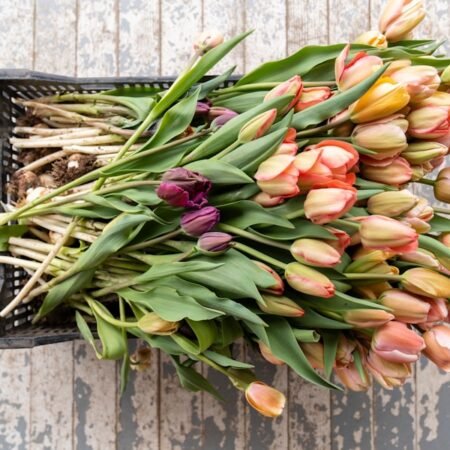
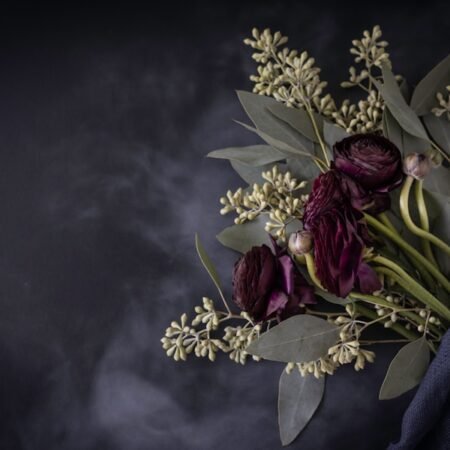
Once your spring flowers are in full bloom, it’s time to get creative with how you display and enjoy them in your garden. One popular way to showcase spring flowers is by creating a colorful flower border along a walkway or garden bed. This adds visual interest and draws attention to the beauty of your spring blooms. Additionally, you can create stunning floral arrangements using cut flowers from your garden to bring the beauty of spring indoors.
Another creative way to display and enjoy your spring flowers is by planting them in containers or hanging baskets. This allows you to showcase your favorite spring blooms on a patio, deck, or balcony where they can be enjoyed up close. You can also mix different flower varieties in containers for a vibrant display of color and texture. Additionally, you can create a focal point in your garden by planting spring flowers around a decorative feature such as a fountain or sculpture.
In conclusion, choosing the right flowers for your garden is essential for creating a beautiful and thriving outdoor space. By carefully considering factors such as climate, soil type, and bloom time, you can select flower varieties that will thrive in your garden. Proper soil preparation is also important for creating an ideal growing environment for your flowers. By testing and amending the soil as needed, you can set your flowers up for success from the start.
Proper watering and fertilizing techniques are essential for maintaining the health and vitality of your flowers throughout the growing season. By watering deeply and infrequently and using a balanced fertilizer, you can provide your flowers with the nutrients they need to thrive. Protecting your flowers from pests and diseases is also important for maintaining their health and beauty. By practicing good garden hygiene and using natural pest control methods, you can keep pests at bay without harming beneficial insects or the environment.
Pruning and deadheading are important tasks for maintaining healthy growth and abundant blooms in your garden. By removing dead or diseased branches from your plants and deadheading spent blooms regularly, you can encourage new growth and prevent self-seeding. With careful maintenance, you can extend the blooming season of your flowers and enjoy their beauty for even longer. By deadheading regularly, fertilizing throughout the growing season, and choosing a mix of early, mid, and late blooming flower varieties, you can ensure that your garden will be in bloom throughout the entire growing season.
Once your spring flowers are in full bloom, it’s time to get creative with how you display and enjoy them in your garden. Creating colorful flower borders along walkways or garden beds is a popular way to showcase spring blooms. Additionally, planting spring flowers in containers or hanging baskets allows you to enjoy their beauty up close on a patio or deck. You can also create stunning floral arrangements using cut flowers from your garden to bring the beauty of spring indoors.
In conclusion, by following these tips for choosing the right flowers for your garden and providing proper care throughout the growing season, you can create a beautiful outdoor space that will be a joy to behold all year long. Whether you’re creating colorful flower borders along walkways or enjoying stunning floral arrangements indoors, there are countless ways to showcase and enjoy the beauty of spring flowers in your garden. With careful planning and maintenance, you can create a thriving outdoor space that will bring joy and beauty into your life for years to come.