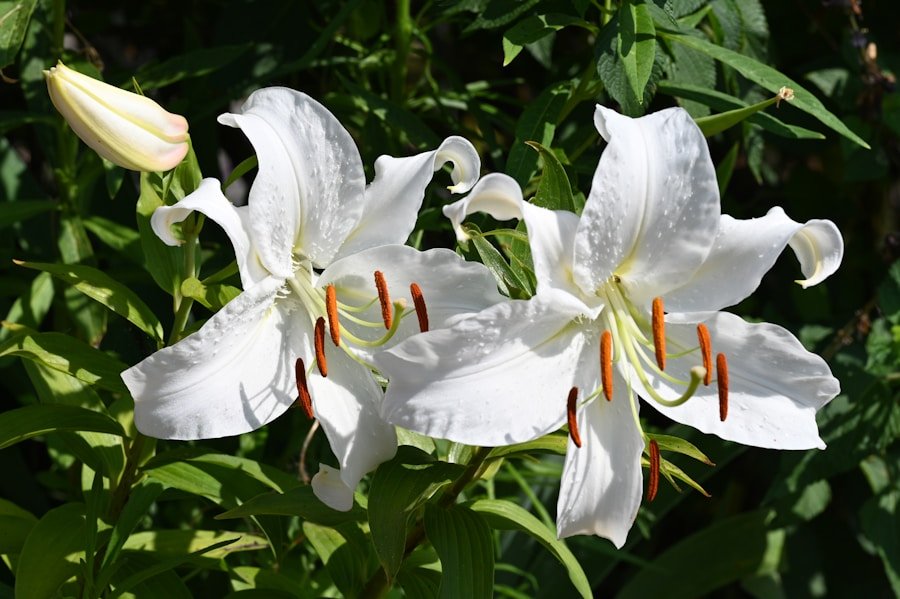

White flowers have long been associated with purity, innocence, and spirituality. In seasonal arrangements, white flowers are often used to symbolize new beginnings, making them a popular choice for spring and summer celebrations. The delicate beauty of white flowers can evoke a sense of peace and tranquility, making them a perfect addition to any seasonal arrangement. Whether it’s a simple bouquet of white lilies or an elaborate centerpiece of white roses, these flowers can bring a sense of calm and serenity to any seasonal celebration.
In addition to their symbolic meaning, white flowers also have a practical purpose in seasonal arrangements. Their neutral color allows them to complement any other flowers or decorations, making them a versatile choice for any occasion. Whether it’s a wedding, a baby shower, or a holiday gathering, white flowers can add a touch of elegance and sophistication to any seasonal arrangement.
The Cultural Significance of Coloured Flowers in Seasonal Arrangements
In many cultures, the choice of flower color in seasonal arrangements holds deep cultural significance. For example, in Chinese culture, red flowers are often used to symbolize good luck and happiness, making them a popular choice for Lunar New Year celebrations. Similarly, in Indian culture, yellow flowers are often used to symbolize prosperity and success, making them a popular choice for Diwali and other festive occasions.
The use of colored flowers in seasonal arrangements can also reflect the natural beauty of the season. For example, in the fall, vibrant orange and red flowers can evoke the changing colors of the leaves, while in the spring, pastel-colored flowers can reflect the blooming of new life. The cultural significance of colored flowers in seasonal arrangements adds depth and meaning to any celebration, making them an important element in the overall design.
The Evolution of Floral Arrangements from Purity to Celebration
Floral arrangements have evolved over time from simple displays of purity and innocence to elaborate celebrations of life and joy. In ancient times, white flowers were often used in religious ceremonies and rituals to symbolize purity and spirituality. As time went on, floral arrangements began to incorporate colored flowers to represent the changing seasons and the beauty of nature.
Today, floral arrangements have become an integral part of seasonal celebrations, from weddings and birthdays to holidays and festivals. The evolution of floral arrangements from purity to celebration reflects the changing attitudes towards nature and the environment. As people have become more connected to the natural world, floral arrangements have become a way to celebrate the beauty of the seasons and the joy of life.
The Impact of White vs. Coloured Flowers on Seasonal Celebrations
The choice between white and colored flowers in seasonal celebrations can have a significant impact on the overall mood and atmosphere of the event. White flowers can create a sense of elegance and sophistication, while colored flowers can add a vibrant and festive touch to the celebration. The impact of white vs. colored flowers on seasonal celebrations is evident in the way they are used to create different atmospheres and evoke different emotions.
For example, a wedding with an all-white floral arrangement can create a sense of purity and innocence, while a wedding with vibrant colored flowers can create a sense of joy and celebration. Similarly, a holiday gathering with white flowers can create a sense of peace and tranquility, while a holiday gathering with colored flowers can create a sense of excitement and energy. The impact of white vs. colored flowers on seasonal celebrations is a reflection of the different ways in which flowers can be used to enhance the overall experience.
Exploring the Psychological Effects of White vs. Coloured Flowers in Seasonal Decor
The psychological effects of white vs. colored flowers in seasonal decor are well-documented and can have a significant impact on our emotions and well-being. White flowers have been shown to have a calming effect on the mind, helping to reduce stress and anxiety. In contrast, colored flowers have been shown to have an energizing effect on the mind, helping to boost mood and motivation.
The use of white vs. colored flowers in seasonal decor can also influence our perception of the space around us. White flowers can create a sense of openness and tranquility, while colored flowers can create a sense of warmth and vibrancy. By understanding the psychological effects of white vs. colored flowers in seasonal decor, we can use them to create environments that promote relaxation, happiness, and well-being.
The Role of White and Coloured Flowers in Different Seasonal Festivities
White and colored flowers play different roles in various seasonal festivities, reflecting the unique cultural traditions and customs associated with each celebration. For example, in Western cultures, white flowers are often used in weddings to symbolize purity and innocence, while colored flowers are used in birthday celebrations to add a festive touch. In contrast, in Eastern cultures, colored flowers are often used in religious ceremonies to symbolize prosperity and good fortune.
The role of white and colored flowers in different seasonal festivities reflects the diverse ways in which flowers are used to enhance the overall experience. Whether it’s a wedding, a birthday, or a religious ceremony, the choice between white and colored flowers can have a significant impact on the atmosphere and mood of the event.
Tips for Creating Seasonal Arrangements Using White and Coloured Flowers
When creating seasonal arrangements using white and colored flowers, it’s important to consider the overall theme and mood of the event. For example, for a spring wedding, consider using white flowers such as lilies or tulips to create a sense of purity and new beginnings. For a summer birthday party, consider using vibrant colored flowers such as roses or daisies to add a festive touch.
It’s also important to consider the cultural significance of flower colors when creating seasonal arrangements. For example, if you’re celebrating Lunar New Year, consider using red flowers to symbolize good luck and happiness. If you’re celebrating Diwali, consider using yellow flowers to symbolize prosperity and success.
In conclusion, the symbolism of white flowers in seasonal arrangements reflects their association with purity and new beginnings, while the cultural significance of colored flowers reflects their role in representing prosperity and joy. The evolution of floral arrangements from purity to celebration reflects changing attitudes towards nature and the environment, while the impact of white vs. colored flowers on seasonal celebrations reflects their ability to create different atmospheres and evoke different emotions. Understanding the psychological effects of white vs. colored flowers in seasonal decor can help us create environments that promote relaxation, happiness, and well-being, while considering the role of white and colored flowers in different seasonal festivities can help us enhance the overall experience. By following these tips for creating seasonal arrangements using white and colored flowers, we can ensure that our celebrations are both beautiful and meaningful.