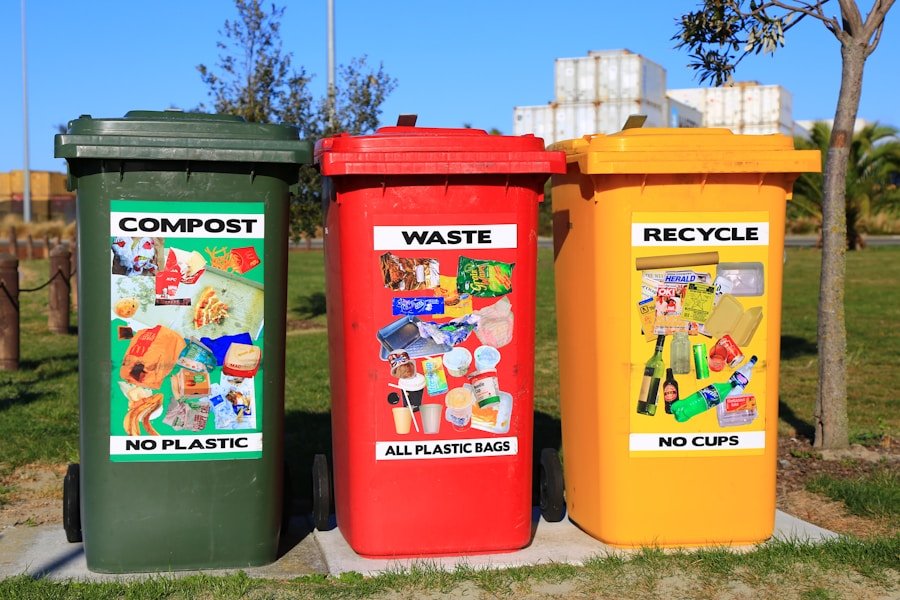

Composting is a natural process that transforms organic waste into a nutrient-rich soil amendment. There are numerous benefits to incorporating compost into your garden, including improved soil structure, increased water retention, and enhanced nutrient availability for plants. Compost also helps to suppress plant diseases and pests, reduce the need for chemical fertilizers, and promote healthy root development. Additionally, composting diverts organic waste from landfills, reducing greenhouse gas emissions and contributing to a more sustainable environment. By utilizing compost in your garden, you can create a thriving ecosystem that supports a diverse range of plant life and contributes to a healthier planet.
Composting also offers financial benefits for gardeners, as it reduces the need to purchase commercial fertilizers and soil amendments. By recycling organic waste materials such as kitchen scraps, yard trimmings, and paper products, you can create a valuable resource for your garden at little to no cost. Furthermore, composting can help to reduce erosion and runoff, improving the overall health of your garden and surrounding environment. Overall, the benefits of composting for your garden are numerous and far-reaching, making it an essential practice for any gardener looking to cultivate healthy, vibrant plants.
Choosing the Right Composting Method for Your Space
When it comes to composting, there are several methods to choose from, each with its own advantages and considerations. The most common methods include traditional compost piles, compost bins, vermicomposting (using worms), and trench composting. The method you choose will depend on factors such as the size of your space, the amount of organic waste you generate, and your level of involvement in the composting process. Traditional compost piles are a simple and cost-effective option for larger gardens, while compost bins are ideal for smaller spaces and urban environments. Vermicomposting is a great option for those looking to compost indoors or in limited outdoor spaces, as it requires minimal maintenance and produces high-quality compost. Trench composting is a low-maintenance method that involves burying organic waste directly in the soil, making it a convenient option for gardeners with limited time and resources. By choosing the right composting method for your space, you can ensure that you are able to effectively manage your organic waste and produce high-quality compost for your garden.
What to Include in Your Compost Pile for Healthy Flowers
In order to create nutrient-rich compost for your garden, it’s important to include a balanced mix of organic materials in your compost pile. This mix should include “green” materials such as fruit and vegetable scraps, coffee grounds, grass clippings, and plant trimmings, which provide nitrogen and moisture to the compost. “Brown” materials such as leaves, straw, paper products, and wood chips should also be included to provide carbon and structure to the compost pile. It’s important to maintain a proper balance of green and brown materials in your compost pile in order to facilitate the decomposition process and prevent odors or pests. Additionally, it’s important to avoid including meat, dairy, or oily foods in your compost pile, as these can attract unwanted pests and slow down the decomposition process. By including a diverse range of organic materials in your compost pile, you can create a nutrient-rich amendment that will support healthy flower growth in your garden.
Maintaining Your Compost Pile for Optimal Results
In order to produce high-quality compost for your garden, it’s important to maintain your compost pile regularly. This includes turning the pile every few weeks to aerate the materials and promote decomposition. Aeration helps to prevent odors and ensure that the materials break down evenly, resulting in a more consistent and nutrient-rich compost. It’s also important to monitor the moisture levels in your compost pile, as excessive dryness or moisture can slow down the decomposition process. Adding water or dry materials as needed can help to maintain the ideal moisture level for composting. Additionally, it’s important to monitor the temperature of your compost pile, as higher temperatures indicate active decomposition. By maintaining your compost pile regularly and monitoring its progress, you can ensure that you are producing high-quality compost for your garden.
Using Compost to Enrich Your Soil and Nourish Your Plants
Once your compost is ready, it can be used to enrich the soil in your garden and nourish your plants. Compost can be incorporated into the soil when planting new flowers or vegetables, or it can be spread on top of existing beds as a mulch. This helps to improve soil structure, increase water retention, and provide essential nutrients for plant growth. Compost also helps to promote beneficial microbial activity in the soil, which supports healthy root development and overall plant health. By using compost to enrich your soil, you can create a thriving environment for your plants and ensure that they have access to the nutrients they need to flourish.
Tips for Incorporating Compost into Your Garden Design
Incorporating compost into your garden design can help to improve the overall health and beauty of your outdoor space. One way to do this is by creating dedicated composting areas within your garden, where you can easily manage organic waste and produce high-quality compost. These areas can be integrated into existing beds or designated as separate spaces, depending on the size and layout of your garden. Additionally, you can use compost as a top dressing or mulch in your garden beds to improve soil fertility and enhance the visual appeal of your plants. By incorporating compost into your garden design, you can create a more sustainable and vibrant outdoor space that supports healthy plant growth.
Troubleshooting Common Composting Issues for Beautiful Blooms
While composting is a relatively simple process, there are some common issues that may arise during the composting process. These issues can include odors, pests, slow decomposition, or excessive moisture levels. In order to troubleshoot these issues, it’s important to monitor your compost pile regularly and make adjustments as needed. For example, if you notice odors or pests in your compost pile, you may need to add more brown materials or turn the pile more frequently to promote aeration. If decomposition is slow or moisture levels are excessive, you may need to adjust the balance of green and brown materials or add water or dry materials as needed. By troubleshooting common composting issues, you can ensure that you are producing high-quality compost for your garden and promoting beautiful blooms throughout your outdoor space.
In conclusion, composting is an essential practice for any gardener looking to cultivate healthy, vibrant plants. By choosing the right composting method for your space and including a balanced mix of organic materials in your compost pile, you can create nutrient-rich compost that will support healthy flower growth in your garden. By maintaining your compost pile regularly and using compost to enrich your soil, you can create a thriving environment for your plants and ensure that they have access to the nutrients they need to flourish. Additionally, by incorporating compost into your garden design and troubleshooting common composting issues, you can create a more sustainable and vibrant outdoor space that supports beautiful blooms throughout the year. Overall, the benefits of composting for your garden are numerous and far-reaching, making it an essential practice for any gardener looking to cultivate healthy, vibrant plants.