
Apology flowers have a unique power to convey heartfelt apologies and express remorse in a meaningful and thoughtful way. When words alone are not enough to convey the depth of one’s regret, apology flowers can serve as a tangible symbol of sincerity and remorse. The act of sending apology flowers demonstrates a willingness to make amends and a desire to mend the relationship. It shows that the sender is taking the time and effort to acknowledge their mistake and express their regret in a meaningful way.
Furthermore, apology flowers have the ability to soften the recipient’s heart and open the lines of communication. They can serve as a bridge to reconciliation and pave the way for healing and forgiveness. The act of receiving apology flowers can make the recipient feel valued and respected, as it shows that the sender is willing to go the extra mile to make things right. In this way, apology flowers have the power to not only convey an apology, but also to strengthen and repair relationships.
Apology flowers can also serve as a form of self-reflection for the sender, prompting them to consider their actions and take responsibility for their mistakes. The act of choosing and sending apology flowers requires thought and consideration, and can serve as a meaningful step in the process of seeking forgiveness. It can also serve as a reminder to the sender to be more mindful of their words and actions in the future. Overall, the power of apology flowers lies in their ability to convey sincerity, remorse, and a genuine desire to make amends.
The Symbolism of Different Apology Flowers: Understanding the Messages Conveyed by Different Types of Flowers
Different types of flowers carry different meanings and symbolism, making them a powerful tool for conveying specific messages. When it comes to apology flowers, the choice of flower can greatly impact the message being conveyed. For example, white roses are often associated with purity and innocence, making them a popular choice for conveying sincere apologies. Their delicate beauty and timeless elegance can convey a heartfelt apology in a subtle and meaningful way.
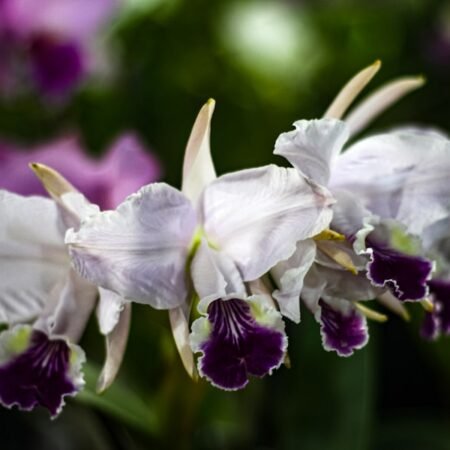
On the other hand, lilies are often associated with renewal and rebirth, making them a fitting choice for expressing a desire for reconciliation and healing. Their graceful appearance and symbolic meaning can convey a message of hope and a willingness to move forward in a positive direction. Additionally, orchids are often associated with love, beauty, and strength, making them a meaningful choice for expressing a deep and sincere apology. Their exotic beauty and symbolic significance can convey a message of genuine remorse and a desire to make amends.
It’s important to consider the recipient’s personal preferences and cultural significance when choosing apology flowers. For example, in some cultures, certain flowers may carry negative connotations or be associated with funerals or mourning. Taking the time to research the symbolism of different flowers can ensure that the chosen apology flowers convey the intended message in a respectful and meaningful way. Overall, understanding the symbolism of different apology flowers is essential for effectively conveying sincere apologies and expressing genuine remorse.
The Art of Appreciation Flowers: How Thank You Flowers Can Express Gratitude and Appreciation
Thank you flowers have long been used as a meaningful way to express gratitude and appreciation for someone’s kindness, support, or generosity. The act of giving thank you flowers is a timeless tradition that transcends cultural boundaries and serves as a universal symbol of appreciation. Whether it’s to express gratitude for a thoughtful gesture, a helping hand, or simply for being there when needed, thank you flowers have the power to convey heartfelt appreciation in a tangible and meaningful way.
The art of giving thank you flowers lies in their ability to convey genuine gratitude and appreciation in a thoughtful and personal manner. The act of choosing and giving thank you flowers requires thought and consideration, as it involves selecting flowers that reflect the recipient’s personality, preferences, and the nature of the gratitude being expressed. For example, bright and cheerful sunflowers can convey a message of joy and gratitude, making them a fitting choice for expressing appreciation for someone’s positivity and uplifting presence.
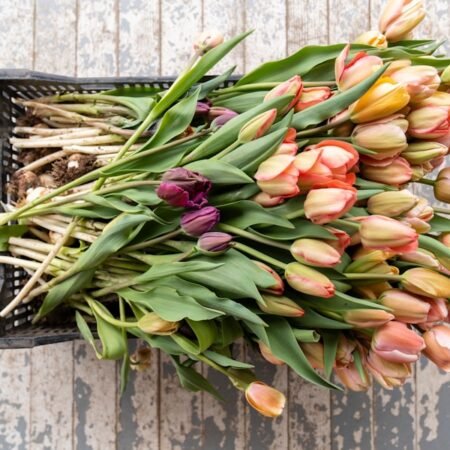
Additionally, daisies are often associated with innocence, purity, and new beginnings, making them a meaningful choice for expressing gratitude for someone’s support during challenging times. Their simple yet charming appearance can convey a message of heartfelt appreciation for someone’s unwavering support and encouragement. Furthermore, tulips are often associated with elegance, grace, and beauty, making them a fitting choice for expressing gratitude for someone’s kindness and thoughtfulness. Their vibrant colors and symbolic significance can convey a message of genuine appreciation for someone’s generosity and thoughtfulness.
The Significance of Color in Apology and Appreciation Flowers: How Different Colors Convey Different Emotions
The color of flowers plays a significant role in conveying different emotions and messages, making it an important factor to consider when choosing apology or appreciation flowers. Each color carries its own unique symbolism and meaning, allowing it to convey specific emotions in a powerful and meaningful way. When it comes to apology flowers, the choice of color can greatly impact the message being conveyed. For example, white flowers are often associated with purity, innocence, and sincerity, making them a popular choice for conveying heartfelt apologies.
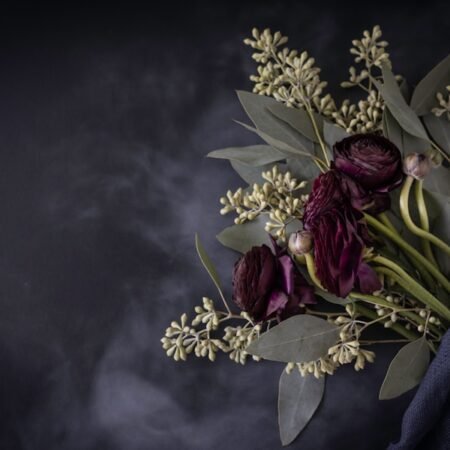
The delicate beauty and timeless elegance of white flowers can convey a message of genuine remorse and a sincere desire to make amends. On the other hand, blue flowers are often associated with tranquility, peace, and calmness, making them a fitting choice for expressing a desire for reconciliation and healing. Their soothing appearance and symbolic significance can convey a message of hope and a willingness to move forward in a positive direction. Additionally, purple flowers are often associated with dignity, respect, and admiration, making them a meaningful choice for expressing sincere apologies.
Their regal appearance and symbolic significance can convey a message of deep remorse and a genuine desire to make amends. When it comes to appreciation flowers, the choice of color can also greatly impact the message being conveyed. For example, yellow flowers are often associated with joy, happiness, and friendship, making them a popular choice for expressing gratitude for someone’s positivity and uplifting presence. Their bright and cheerful appearance can convey a message of heartfelt appreciation for someone’s unwavering support and encouragement.
Etiquette and Culture: How Different Cultures and Traditions Interpret Apology and Appreciation Flowers
The interpretation of apology and appreciation flowers can vary greatly across different cultures and traditions, making it important to consider etiquette and cultural significance when choosing and giving these meaningful gifts. In some cultures, certain types of flowers may carry negative connotations or be associated with funerals or mourning, making them an inappropriate choice for conveying apologies or appreciation. It’s important to research the cultural significance of different flowers in order to ensure that they are received in a respectful and meaningful way.
For example, in some Asian cultures, white chrysanthemums are often associated with funerals and death, making them an inappropriate choice for conveying apologies or appreciation. On the other hand, red roses are often associated with love and romance in Western cultures, making them a popular choice for expressing heartfelt apologies or deep appreciation. Understanding the cultural significance of different flowers is essential for ensuring that they convey the intended message in a respectful manner.
Additionally, it’s important to consider etiquette when giving apology or appreciation flowers in different cultural contexts. For example, in some cultures, it may be customary to present flowers with both hands as a sign of respect and humility. In other cultures, it may be customary to avoid giving certain types of flowers during specific occasions or events. Taking the time to understand etiquette and cultural traditions can ensure that apology or appreciation flowers are given in a respectful manner that honors the recipient’s cultural background.
The Impact of Personalization: How Adding a Personal Touch to Apology and Appreciation Flowers Can Enhance Their Meaning
Adding a personal touch to apology or appreciation flowers can greatly enhance their meaning and impact, making them even more meaningful and memorable for the recipient. Personalization allows the sender to convey their sentiments in a thoughtful and unique way, showing that they have taken the time to consider the recipient’s personality, preferences, and the nature of the relationship. Whether it’s adding a handwritten note, selecting the recipient’s favorite flower or color, or choosing a unique arrangement that reflects their individual style, personalization can greatly enhance the meaning behind apology or appreciation flowers.
For example, adding a handwritten note with a heartfelt message can convey sincerity and genuine remorse when giving apology flowers. It allows the sender to express their feelings in their own words, adding an extra layer of thoughtfulness and personal connection to the gift. Additionally, selecting the recipient’s favorite flower or color can show that the sender has taken the time to consider their preferences and make the gift more meaningful on a personal level.
Furthermore, choosing a unique arrangement that reflects the recipient’s individual style can show that the sender has put thought into selecting something that resonates with their personality. Whether it’s a modern and artistic arrangement or a classic and elegant bouquet, personalization allows the sender to tailor the gift to reflect the recipient’s unique tastes and preferences. Overall, adding a personal touch to apology or appreciation flowers can greatly enhance their meaning and impact, making them even more meaningful and memorable for the recipient.
The Language of Flowers: How to Choose the Perfect Apology or Appreciation Flowers to Convey Your Sentiments
The language of flowers has long been used as a powerful tool for conveying specific sentiments in a meaningful and symbolic way. Each type of flower carries its own unique symbolism and meaning, allowing it to convey specific emotions with depth and nuance. When choosing apology or appreciation flowers, it’s important to consider the language of flowers in order to select the perfect blooms that effectively convey your sentiments.
For example, when choosing apology flowers, white roses are often considered an ideal choice for conveying sincere apologies due to their association with purity, innocence, and sincerity. Their delicate beauty and timeless elegance can convey genuine remorse in a subtle yet powerful way. On the other hand, lilies are often associated with renewal and rebirth, making them a fitting choice for expressing a desire for reconciliation and healing.
Their graceful appearance and symbolic meaning can convey a message of hope and a willingness to move forward in a positive direction. Additionally, orchids are often associated with love, beauty, and strength, making them a meaningful choice for expressing deep remorse when seeking forgiveness. Their exotic beauty and symbolic significance can convey genuine sincerity in seeking forgiveness.
When choosing appreciation flowers, sunflowers are often considered an ideal choice for expressing gratitude due to their association with joy, happiness, and friendship. Their bright and cheerful appearance can convey heartfelt appreciation for someone’s positivity and uplifting presence. Additionally, daisies are often associated with innocence, purity, and new beginnings making them an ideal choice for expressing gratitude for someone’s support during challenging times.
Their simple yet charming appearance can convey genuine appreciation for someone’s unwavering support during difficult times. Furthermore tulips are often associated with elegance grace beauty making them an ideal choice for expressing gratitude for someone’s kindness thoughtfulness Their vibrant colors symbolic significance can convey genuine appreciation for someone’s generosity thoughtfulness Overall understanding language of flowers is essential for effectively conveying sincere apologies expressing genuine gratitude through thoughtful selection blooms that effectively convey your sentiments.
In conclusion apology appreciation flowers have unique power convey heartfelt apologies express gratitude appreciation meaningful thoughtful way Whether it s conveying sincere apologies seeking forgiveness expressing gratitude someone s kindness support generosity act giving flowers serves universal symbol sincerity remorse gratitude appreciation The art choosing giving these meaningful gifts lies ability convey genuine emotions thoughtful personal manner Whether it s selecting specific type flower considering cultural significance adding personal touch language flowers plays significant role enhancing meaning behind these powerful gestures Ultimately choosing perfect apology appreciation flowers requires careful consideration symbolism cultural significance personalization language flowers ensure that they effectively convey intended sentiments respectful meaningful manner In conclusion, apology and appreciation flowers have a unique power to convey heartfelt apologies and express gratitude in a meaningful and thoughtful way. Whether it’s conveying sincere apologies, seeking forgiveness, or expressing gratitude for someone’s kindness, support, or generosity, the act of giving flowers serves as a universal symbol of sincerity, remorse, gratitude, and appreciation. The art of choosing and giving these meaningful gifts lies in the ability to convey genuine emotions in a thoughtful and personal manner. Whether it’s selecting a specific type of flower, considering its cultural significance, or adding a personal touch, the language of flowers plays a significant role in enhancing the meaning behind these powerful gestures. Ultimately, choosing the perfect apology and appreciation flowers requires careful consideration of symbolism, cultural significance, personalization, and the language of flowers to ensure that they effectively convey the intended sentiments in a respectful and meaningful manner.