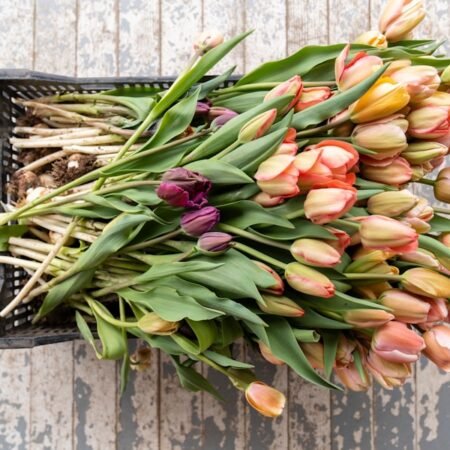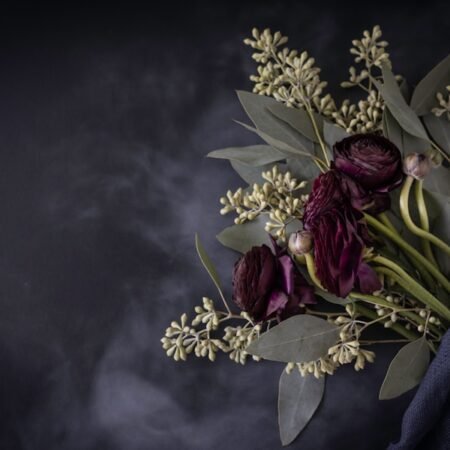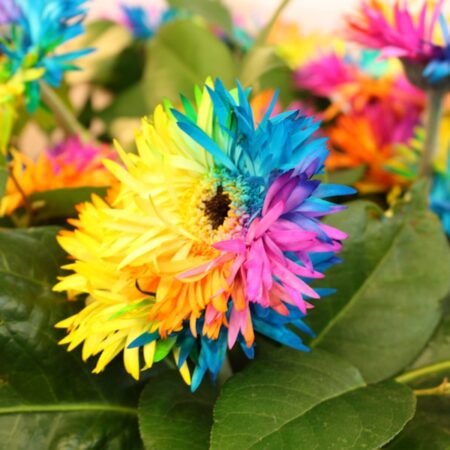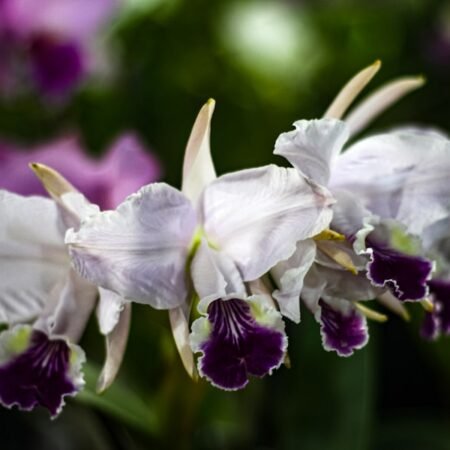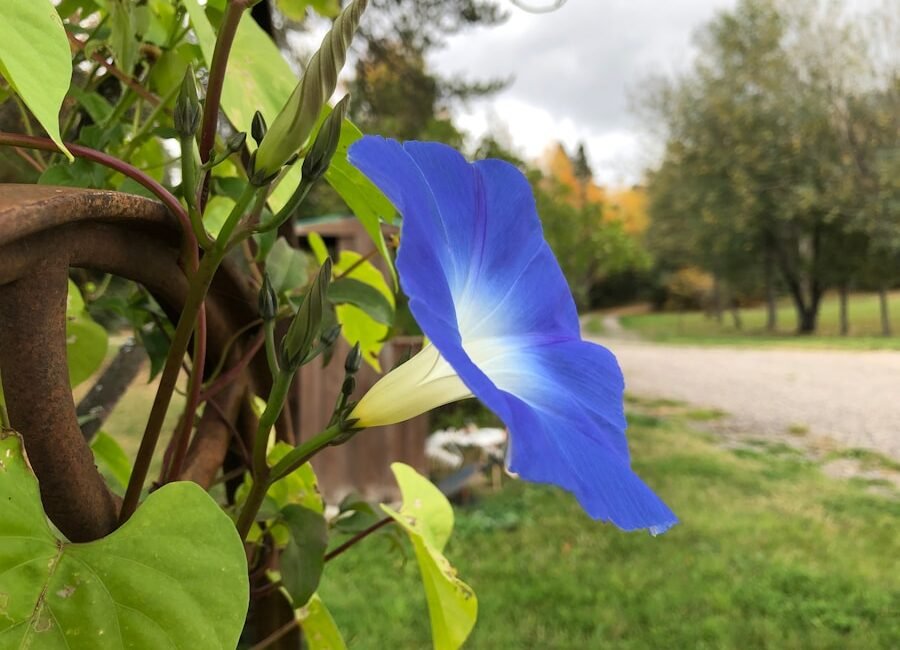

Flowers are one of the most beautiful and diverse creations of nature. They come in all shapes, sizes, and colors, and they play a crucial role in the ecosystem. Some flowers bloom during the day, while others bloom at night. Morning-blooming flowers open their petals with the first light of day, while night-blooming flowers wait until the sun sets to display their beauty. These two types of flowers have unique characteristics and serve different purposes in nature. Understanding the differences between morning-blooming and night-blooming flowers can help us appreciate the beauty and diversity of the natural world.
Morning-blooming flowers, also known as diurnal flowers, are typically pollinated by bees, butterflies, and other daytime insects. They often have bright colors and strong fragrances to attract pollinators. These flowers are adapted to the rhythm of the sun, opening their petals in the morning to take advantage of the sunlight and closing them at night to conserve energy. In contrast, night-blooming flowers, also known as nocturnal flowers, are pollinated by moths, bats, and other nighttime creatures. They often have pale or white petals and emit a strong, sweet scent to attract their nocturnal pollinators. These flowers have evolved to thrive in the darkness, opening their petals at night to make the most of the cooler temperatures and lack of competition from diurnal flowers.
The Significance of Morning-Blooming Flowers in Nature and Culture
Morning-blooming flowers have a significant impact on both nature and culture. In nature, these flowers play a crucial role in the pollination process, attracting bees, butterflies, and other daytime insects to spread their pollen and ensure the continuation of their species. Without morning-blooming flowers, many plants would not be able to reproduce, leading to a decline in biodiversity and a disruption of the ecosystem. In addition to their ecological importance, morning-blooming flowers have also been revered in various cultures throughout history. In many ancient civilizations, these flowers were associated with the sun and were often used in religious ceremonies and rituals. They were seen as symbols of beauty, renewal, and the cycle of life.
In modern culture, morning-blooming flowers continue to hold significance as symbols of love, happiness, and new beginnings. They are often used in weddings, graduations, and other celebrations to convey positive emotions and create a joyful atmosphere. The vibrant colors and sweet fragrances of morning-blooming flowers have a powerful effect on our senses, uplifting our spirits and bringing a sense of optimism and vitality to any environment. Whether they are used in floral arrangements, gardens, or as gifts, morning-blooming flowers have a timeless appeal that transcends cultural boundaries and brings people together in appreciation of their natural beauty.
The Symbolism and Importance of Night-Blooming Flowers
Night-blooming flowers have a unique symbolism and importance that sets them apart from their daytime counterparts. These flowers are often associated with mystery, secrecy, and the unknown, due to their habit of blooming under the cover of darkness. In many cultures, night-blooming flowers are seen as symbols of enchantment and magic, with their pale petals and intoxicating scents evoking a sense of otherworldly beauty. They are often used in rituals and ceremonies related to dreams, intuition, and spiritual awakening. Night-blooming flowers also hold practical significance in nature, as they provide essential food sources for nocturnal pollinators such as moths and bats.
In addition to their symbolic and ecological importance, night-blooming flowers have also inspired artists, poets, and writers throughout history. Their ethereal beauty and elusive nature have been the subject of countless works of art and literature, capturing the imagination of people around the world. Night-blooming flowers have a timeless allure that transcends cultural boundaries and speaks to our deepest emotions and desires. Their delicate petals and heady fragrances create a sense of wonder and awe, inviting us to contemplate the mysteries of the night and embrace the magic that surrounds us.
Understanding the Seasonal Cycle of Morning-Blooming and Night-Blooming Flowers
The seasonal cycle of morning-blooming and night-blooming flowers is an essential aspect of their life cycle and plays a crucial role in their survival. Morning-blooming flowers typically bloom during the spring and summer months when the days are longer, and the temperatures are warmer. They rely on the sun’s energy to fuel their growth and attract pollinators during the peak of the day. As the days grow shorter in the fall and winter, morning-blooming flowers enter a period of dormancy, conserving their energy until the next growing season.
Night-blooming flowers follow a different seasonal cycle, blooming during the summer months when the nights are warmer and longer. They take advantage of the cooler temperatures and lack of competition from diurnal flowers to attract their nocturnal pollinators. In the fall and winter, night-blooming flowers also enter a period of dormancy, waiting for the return of warmer nights before they can bloom again. Understanding the seasonal cycle of morning-blooming and night-blooming flowers can help us appreciate the delicate balance of nature and the interconnectedness of all living things.
The Role of Morning-Blooming and Night-Blooming Flowers in Ecosystems
Morning-blooming and night-blooming flowers play essential roles in ecosystems by providing food sources for pollinators and contributing to the overall biodiversity of plant species. Morning-blooming flowers attract bees, butterflies, and other daytime insects that rely on their nectar and pollen for sustenance. These pollinators play a crucial role in the reproduction of flowering plants, transferring pollen from one flower to another and ensuring the production of seeds. Without morning-blooming flowers, many plant species would not be able to reproduce, leading to a decline in biodiversity and a disruption of the ecosystem.
Night-blooming flowers also play a vital role in ecosystems by providing food sources for nocturnal pollinators such as moths and bats. These creatures rely on the nectar and pollen of night-blooming flowers to fuel their activities during the night and contribute to the pollination process. By attracting nocturnal pollinators, night-blooming flowers help maintain the balance of plant species in ecosystems and ensure the continuation of their own species. The presence of both morning-blooming and night-blooming flowers contributes to the overall health and diversity of ecosystems, creating a harmonious environment for all living organisms.
How to Cultivate Morning-Blooming and Night-Blooming Flowers in Your Garden
Cultivating morning-blooming and night-blooming flowers in your garden can be a rewarding experience that allows you to appreciate their beauty up close. When choosing morning-blooming flowers for your garden, consider factors such as sunlight exposure, soil type, and water requirements to ensure that they thrive in their new environment. Some popular morning-blooming flowers include sunflowers, daisies, marigolds, and lilies, which are known for their vibrant colors and strong fragrances. These flowers can be planted in flower beds, containers, or hanging baskets to create a stunning display that attracts pollinators and brightens up your outdoor space.
For night-blooming flowers, it is essential to consider factors such as nighttime temperatures, soil moisture, and proximity to other plants that may compete for pollinators. Some popular night-blooming flowers include moonflowers, evening primroses, angel’s trumpets, and night-scented stock, which are known for their pale petals and intoxicating scents. These flowers can be planted in areas with minimal artificial light to create a magical atmosphere that attracts nocturnal pollinators and adds a touch of mystery to your garden. By cultivating morning-blooming and night-blooming flowers in your garden, you can create a diverse habitat for pollinators and enjoy their natural beauty throughout the day and night.
Appreciating the Beauty and Diversity of Morning-Blooming and Night-Blooming Flowers
Morning-blooming and night-blooming flowers are an integral part of the natural world, providing essential food sources for pollinators and contributing to the overall biodiversity of plant species. Their unique characteristics and seasonal cycles make them fascinating subjects for study and appreciation. By understanding the significance of morning-blooming and night-blooming flowers in nature and culture, we can gain a deeper appreciation for their beauty and diversity.
Whether they are used in gardens, floral arrangements, or as symbols of love and renewal, morning-blooming and night-blooming flowers have a timeless appeal that transcends cultural boundaries. Their vibrant colors, delicate petals, and intoxicating scents create a sense of wonder and awe that invites us to contemplate the mysteries of nature and embrace the magic that surrounds us. By cultivating morning-blooming and night-blooming flowers in our gardens, we can create a harmonious environment for pollinators and enjoy their natural beauty throughout the day and night. Let us continue to appreciate the beauty and diversity of morning-blooming and night-blooming flowers as an essential part of our natural world.