
Understanding the seasonal changes is crucial for the successful care of indoor plants. As the seasons change, so do the needs of your plants. In the spring and summer, plants are in their active growing phase and require more water, light, and nutrients. As the fall and winter approach, plants enter a period of dormancy and require less water and light. It’s important to pay attention to these changes and adjust your care routine accordingly. By understanding the seasonal changes, you can ensure that your indoor plants thrive year-round.
In addition to understanding the seasonal changes, it’s also important to consider the specific needs of each plant species. Some plants may be more sensitive to changes in temperature and light, while others may be more resilient. Researching the specific needs of your plants and observing how they respond to different conditions can help you better understand how to care for them throughout the year. By taking the time to understand the seasonal changes and the individual needs of your plants, you can create a care routine that promotes healthy growth and overall well-being.
Adjusting Watering and Light
One of the most important aspects of caring for indoor plants is adjusting their watering and light levels based on the seasonal changes. In the spring and summer, plants typically require more frequent watering as they are actively growing and using more water. It’s important to monitor the moisture levels in the soil and adjust your watering schedule accordingly. Additionally, increasing the amount of light your plants receive during this time can help promote healthy growth. Placing them near a sunny window or supplementing with artificial grow lights can provide the necessary light they need to thrive.
As the fall and winter approach, it’s important to reduce watering as plants enter a period of dormancy. Overwatering during this time can lead to root rot and other issues, so it’s important to allow the soil to dry out between waterings. Additionally, reducing the amount of light your plants receive can help mimic the natural conditions they would experience outdoors during this time of year. Moving them away from direct sunlight or reducing the amount of time they spend under grow lights can help promote healthy dormancy and prepare them for the upcoming growing season.
Temperature and Humidity Control
In addition to adjusting watering and light levels, controlling the temperature and humidity in your home is also important for the care of indoor plants. Different plant species have different temperature and humidity requirements, so it’s important to research the specific needs of your plants and create an environment that promotes their overall well-being. In general, most indoor plants thrive in temperatures between 65-75°F during the day and slightly cooler temperatures at night. It’s important to avoid placing plants near drafts or heating vents, as extreme temperature fluctuations can stress them out.
Humidity levels can also play a significant role in the health of your indoor plants. Many houseplants are native to tropical regions and require higher humidity levels to thrive. To increase humidity, you can mist your plants regularly, place a humidifier nearby, or group plants together to create a microclimate with higher humidity levels. On the other hand, if you live in a particularly humid environment, it’s important to ensure proper air circulation to prevent mold and mildew from developing on your plants. By controlling the temperature and humidity levels in your home, you can create an environment that promotes healthy growth for your indoor plants year-round.
Fertilizing and Nutrient Needs
Fertilizing your indoor plants is another important aspect of their care routine, especially as they transition through seasonal changes. In the spring and summer, when plants are actively growing, they require more nutrients to support their growth. Using a balanced liquid fertilizer or slow-release granular fertilizer can help provide the necessary nutrients for healthy growth. It’s important to follow the instructions on the fertilizer packaging and avoid over-fertilizing, as this can lead to nutrient imbalances and damage to your plants.
As fall approaches and plants enter a period of dormancy, it’s important to reduce or stop fertilizing altogether. During this time, plants are not actively growing and do not require as many nutrients. Over-fertilizing during this time can lead to salt buildup in the soil, which can be harmful to your plants. It’s important to allow your plants to rest during this time and resume fertilizing in the spring when they begin actively growing again. By understanding the nutrient needs of your indoor plants throughout the year, you can provide them with the necessary nutrients for healthy growth and overall well-being.
Repotting and Pruning
Repotting and pruning are essential tasks for maintaining the health and vitality of your indoor plants throughout the year. As plants grow, they may outgrow their current pots or become root-bound, which can restrict their growth. Repotting your plants into larger containers with fresh potting soil can provide them with the space and nutrients they need to continue growing. It’s important to choose a pot that is only slightly larger than their current one to prevent overwatering and root rot.
In addition to repotting, pruning is also important for maintaining the shape and health of your indoor plants. Regular pruning can help remove dead or damaged foliage, promote new growth, and prevent overcrowding. It’s important to use clean, sharp pruning shears to make clean cuts and avoid tearing or damaging the plant tissue. By regularly repotting and pruning your indoor plants, you can help promote healthy growth and overall well-being throughout the year.
Pest Prevention and Management
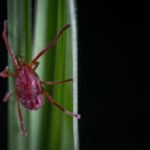
Pest prevention and management are important aspects of caring for indoor plants, especially as they transition through seasonal changes. Insects such as aphids, spider mites, and mealybugs can infest indoor plants and cause damage if left untreated. Regularly inspecting your plants for signs of pests such as yellowing leaves, sticky residue, or webbing can help you identify and address pest issues early on. Additionally, practicing good hygiene by removing dead foliage and debris can help prevent pests from taking hold in your plants.
If you do encounter pests on your indoor plants, it’s important to address the issue promptly to prevent further damage. There are many natural pest control methods you can use, such as spraying with neem oil or insecticidal soap, introducing beneficial insects like ladybugs or predatory mites, or using physical methods such as wiping pests off with a damp cloth. It’s important to avoid using harsh chemical pesticides indoors, as these can be harmful to both your plants and yourself. By practicing regular pest prevention and addressing pest issues promptly, you can help keep your indoor plants healthy and pest-free throughout the year.
Transitioning Outdoor Plants to Indoor Care
As the seasons change, many gardeners may need to transition their outdoor plants to indoor care to protect them from harsh weather conditions. This transition can be challenging for both gardeners and plants alike, but with proper planning and care, it is possible to successfully bring outdoor plants indoors for the winter months.
Before bringing outdoor plants indoors, it’s important to inspect them for pests or diseases that could spread to your other houseplants. If any issues are found, it’s best to address them before bringing the plants inside. Additionally, it’s important to gradually acclimate outdoor plants to indoor conditions by bringing them inside for short periods of time before making the full transition. This will help prevent shock and allow the plants to adjust more easily.
Once indoors, it’s important to provide outdoor plants with proper lighting, temperature, and humidity levels to ensure their survival. Placing them near a sunny window or supplementing with grow lights can help provide the necessary light they need to thrive indoors. Additionally, maintaining consistent temperature and humidity levels will help prevent stress on the plants as they adjust to their new environment.
In conclusion, caring for indoor plants throughout seasonal changes requires attention to detail and a willingness to adapt care routines based on their specific needs. By understanding seasonal changes, adjusting watering and light levels, controlling temperature and humidity, providing proper fertilization and nutrient needs, repotting and pruning as necessary, preventing pests, managing pest issues promptly, and transitioning outdoor plants indoors with care, you can ensure that your indoor plants thrive year-round. With proper care and attention, indoor plants can bring beauty and life into your home throughout all seasons of the year.