
Edible flowers have been used in culinary practices for centuries, adding a touch of color, flavor, and elegance to dishes. From salads to desserts, these blooms are not only visually appealing but also offer a unique taste that can elevate any dish. Edible flowers come in a variety of flavors, from sweet to spicy, and can be used in both savory and sweet dishes. They are also packed with nutrients and antioxidants, making them a healthy addition to any meal. Whether you grow them in your garden or purchase them from a specialty store, incorporating edible flowers into your cooking can take your culinary skills to the next level.
Edible flowers have gained popularity in recent years, with chefs and home cooks alike experimenting with different ways to use them in their dishes. From delicate pansies to vibrant nasturtiums, there is a wide range of edible flowers to choose from, each with its own unique flavor profile. Whether you’re looking to add a pop of color to a salad or infuse a dessert with floral notes, edible flowers offer endless possibilities for creative and delicious dishes. In this article, we will explore the world of edible flowers, from harvesting and using them in cooking to popular varieties and safety considerations.
Seasonal Tips for Harvesting Edible Flowers
When it comes to harvesting edible flowers, timing is key. Different flowers bloom at different times of the year, so it’s important to know when to pick them for the best flavor and quality. In general, it’s best to harvest edible flowers in the morning when they are at their freshest and most flavorful. Be sure to choose flowers that are free from pesticides and other chemicals, as these can be harmful if consumed. If you’re growing your own edible flowers, be sure to research the specific harvesting times for each variety to ensure you’re picking them at the peak of their flavor.
Another important consideration when harvesting edible flowers is to only pick the petals, as the stems and leaves of some flowers can be toxic. It’s also important to harvest flowers from areas that are free from pollution and other contaminants. If you’re unsure about the safety of a particular flower, it’s best to err on the side of caution and avoid using it in your cooking. By following these seasonal tips for harvesting edible flowers, you can ensure that you’re using the freshest and safest blooms in your culinary creations.
How to Use Edible Flowers in Cooking and Baking
There are countless ways to use edible flowers in cooking and baking, from simple garnishes to more complex infusions and flavorings. One of the easiest ways to incorporate edible flowers into your dishes is by using them as a colorful and flavorful garnish. Simply sprinkle petals over salads, soups, or desserts for a visually stunning presentation and a hint of floral flavor. You can also use edible flowers to infuse oils, vinegars, or syrups, adding a subtle floral note to dressings, marinades, or cocktails.
In baking, edible flowers can be used to decorate cakes, cupcakes, and other sweet treats, adding a touch of elegance and whimsy to your creations. You can also use them to flavor baked goods by incorporating them into batters or doughs. For example, lavender can add a delicate floral flavor to shortbread cookies, while rose petals can infuse a cake with a subtle rosy aroma. When using edible flowers in cooking and baking, it’s important to consider their flavor profiles and pair them with complementary ingredients for the best results.
Popular Edible Flowers and Their Flavors
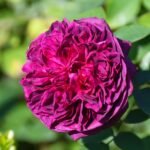
There are many different varieties of edible flowers, each with its own unique flavor profile. Some popular edible flowers include roses, violets, lavender, nasturtiums, pansies, and calendula. Roses have a delicate floral flavor with hints of sweetness, making them perfect for infusing syrups or flavoring desserts. Violets have a slightly sweet and grassy flavor that pairs well with salads and cocktails. Lavender has a strong floral and herbal taste that can add depth to both sweet and savory dishes.
Nasturtiums have a peppery flavor similar to watercress, making them a great addition to salads or as a garnish for savory dishes. Pansies have a mild, slightly grassy flavor that works well in salads or as a decorative touch for cakes and pastries. Calendula has a slightly spicy and tangy flavor that can add a pop of color and taste to soups or stews. These are just a few examples of popular edible flowers and their flavors, but there are many more varieties to explore and experiment with in your cooking.
Edible Flower Preservation and Storage
To preserve the freshness and flavor of edible flowers, it’s important to store them properly. After harvesting, gently rinse the flowers in cold water to remove any dirt or insects, then pat them dry with paper towels. Store the flowers in an airtight container lined with damp paper towels in the refrigerator for up to a week. This will help keep the flowers hydrated and prevent wilting. If you have an abundance of edible flowers, you can also preserve them by drying or freezing them.
To dry edible flowers, simply spread them out on a baking sheet lined with parchment paper and place them in a cool, dry place for several days until they are completely dry. Once dried, store the flowers in an airtight container away from light and moisture. To freeze edible flowers, place them on a baking sheet in a single layer and freeze until solid, then transfer them to an airtight container or resealable bag. Frozen flowers can be used in cooking and baking just like fresh ones, adding a burst of color and flavor to your dishes.
Edible Flower Pairings with Other Ingredients
When using edible flowers in cooking and baking, it’s important to consider their flavor profiles and pair them with complementary ingredients for the best results. For example, lavender pairs well with lemon, honey, and vanilla, adding a floral note to desserts like cakes, cookies, and ice cream. Roses can be paired with flavors like raspberry, lychee, and pistachio for a romantic and elegant touch to desserts and cocktails. Nasturtiums are great with peppery arugula, goat cheese, and citrus for salads or as a garnish for savory dishes.
Pansies can be paired with delicate flavors like white chocolate, almond, and citrus for a whimsical addition to cakes and pastries. Calendula pairs well with earthy ingredients like root vegetables, grains, and herbs for soups or stews. By considering the flavors of edible flowers and pairing them thoughtfully with other ingredients, you can create dishes that are not only visually stunning but also delicious and well-balanced.
Safety Precautions and Considerations when Using Edible Flowers
While many flowers are safe for consumption, it’s important to exercise caution when using edible flowers in cooking. Some flowers can cause allergic reactions in certain individuals, so it’s best to start with small amounts if you’re unsure about their safety. It’s also important to only use flowers that have been grown without pesticides or other chemicals, as these can be harmful if consumed. Additionally, it’s crucial to properly identify edible flowers before using them in your cooking, as some lookalike varieties can be toxic.
When using edible flowers as garnishes or decorations on dishes that will be consumed by others, be sure to inform your guests about their presence so they can make an informed decision about whether or not to eat them. By following these safety precautions and considerations when using edible flowers in cooking and baking, you can ensure that your dishes are not only beautiful and delicious but also safe for consumption by all.
In conclusion, edible flowers offer endless possibilities for creative and delicious dishes. From harvesting and using them in cooking to popular varieties and safety considerations, there is much to explore in the world of edible flowers. By incorporating these blooms into your culinary repertoire, you can add a touch of color, flavor, and elegance to your dishes while also reaping the nutritional benefits they offer. Whether you’re an experienced chef or an adventurous home cook, experimenting with edible flowers is sure to take your cooking skills to new heights. So go ahead and let your creativity bloom with these delightful additions to your kitchen!