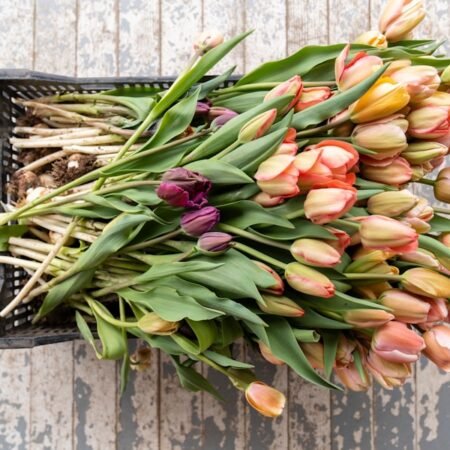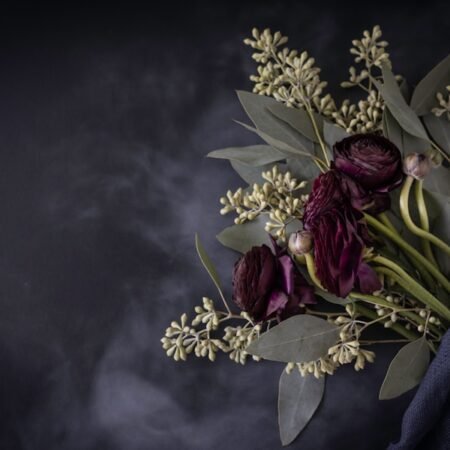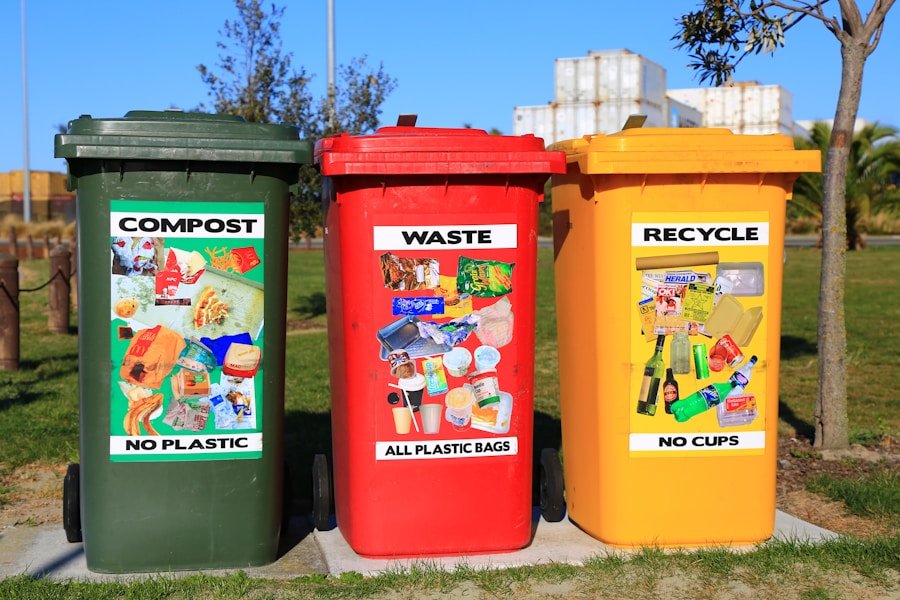

Green gardening is a sustainable and environmentally friendly approach to gardening that focuses on reducing waste, conserving resources, and minimizing the use of harmful chemicals. One way to embrace green gardening is by recycling dead flowers. Instead of throwing away wilted or dried flowers, they can be repurposed in various ways to benefit your garden and the environment. By recycling dead flowers, you can reduce waste, save money, and create a more sustainable garden.
Composting Dead Flowers for Nutrient-Rich Soil
Composting dead flowers is an excellent way to recycle organic matter and create nutrient-rich soil for your garden. Dead flowers can be added to a compost pile or bin along with other organic materials such as fruit and vegetable scraps, coffee grounds, and yard waste. As the organic matter decomposes, it creates a rich and fertile soil amendment that can be used to improve the health and vitality of your garden plants. Composting dead flowers not only reduces waste but also helps to close the nutrient cycle, returning valuable nutrients back to the soil.
Another benefit of composting dead flowers is that it helps to reduce greenhouse gas emissions. When organic matter such as dead flowers is sent to a landfill, it decomposes anaerobically, producing methane, a potent greenhouse gas. By composting dead flowers and other organic materials, you can help to reduce the amount of organic waste sent to landfills and mitigate the impact of greenhouse gas emissions on the environment.
Creating Natural Mulch with Dead Flowers
In addition to composting, dead flowers can also be used to create natural mulch for your garden. Mulch is a protective covering placed over the soil to retain moisture, suppress weeds, and regulate soil temperature. Dead flowers can be shredded or chopped up and spread over the soil surface to create a natural and biodegradable mulch. As the dead flowers decompose, they release nutrients into the soil, enriching it and promoting healthy plant growth.
Using dead flowers as mulch not only recycles organic matter but also reduces the need for synthetic mulches made from plastic or rubber. Natural mulches such as dead flowers are more sustainable and environmentally friendly, as they break down over time and contribute to the overall health of the soil. By recycling dead flowers into natural mulch, you can create a more sustainable garden while also improving the aesthetics and functionality of your outdoor space.
Making Homemade Flower Petal Fertilizer
Another creative way to recycle dead flowers is by making homemade flower petal fertilizer. Flower petals are rich in nutrients such as nitrogen, phosphorus, and potassium, which are essential for plant growth. Instead of throwing away dead flowers, you can collect the petals and use them to create a natural and organic fertilizer for your garden. To make flower petal fertilizer, simply collect a mixture of flower petals from different types of flowers and allow them to dry completely. Once dry, grind the flower petals into a fine powder using a mortar and pestle or a food processor. The resulting powder can be sprinkled onto the soil around your plants to provide them with a nutrient boost.
Using homemade flower petal fertilizer not only recycles dead flowers but also reduces the need for synthetic fertilizers that can be harmful to the environment. Synthetic fertilizers can leach into waterways and cause pollution, whereas natural fertilizers made from flower petals are safe and sustainable. By recycling dead flowers into homemade flower petal fertilizer, you can nourish your garden plants while also minimizing your environmental impact.
Using Dead Flowers for Decorative Garden Art
Dead flowers can also be repurposed into decorative garden art, adding beauty and interest to your outdoor space. Dried flowers can be used to create wreaths, bouquets, or floral arrangements that can be displayed in your garden or home. By preserving and repurposing dead flowers in this way, you can extend their beauty and enjoy them for a longer period of time.
In addition to traditional floral arrangements, dead flowers can also be used to create unique and artistic garden sculptures. For example, dried flower heads can be glued onto wire frames to create three-dimensional shapes such as butterflies, birds, or other whimsical designs. These decorative garden art pieces can add a touch of creativity and personality to your garden while also giving new life to dead flowers that would otherwise be discarded.
Incorporating Dead Flowers into DIY Seed Bombs
Finally, dead flowers can be incorporated into DIY seed bombs, which are small balls of clay, compost, and seeds that can be thrown or scattered onto bare patches of soil to promote wildflower growth. By recycling dead flowers into seed bombs, you can help to support pollinators such as bees and butterflies while also adding color and diversity to your garden.
To make seed bombs using dead flowers, simply collect a mixture of dried flower petals and mix them with clay and compost. Add a variety of wildflower seeds to the mixture before shaping it into small balls. Once dry, the seed bombs can be tossed onto bare soil in your garden or other outdoor spaces where you want to encourage wildflower growth. As the seed bombs break down, the seeds will germinate and grow into beautiful wildflowers, creating a vibrant and biodiverse landscape.
Embracing Sustainability in Your Garden with Recycled Dead Flowers
In conclusion, recycling dead flowers is an excellent way to embrace sustainability in your garden while also reducing waste and promoting environmental stewardship. Whether you compost dead flowers for nutrient-rich soil, create natural mulch, make homemade flower petal fertilizer, use dead flowers for decorative garden art, or incorporate them into DIY seed bombs, there are countless creative ways to repurpose dead flowers in your garden. By recycling dead flowers, you can contribute to a more sustainable and eco-friendly approach to gardening while also enjoying the beauty and benefits of these natural materials. Embracing sustainability in your garden with recycled dead flowers is not only good for the environment but also adds a unique and personal touch to your outdoor space. So next time you have a bouquet of wilted or dried flowers, think twice before throwing them away – there are endless possibilities for repurposing them in your garden!