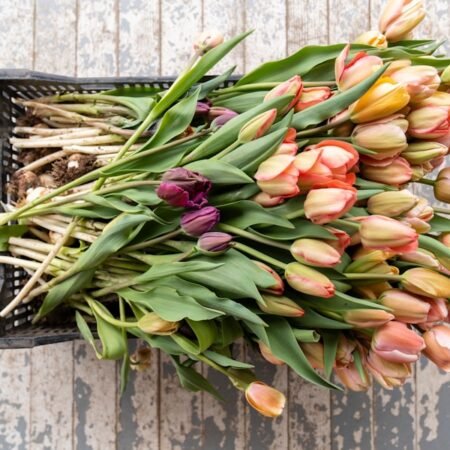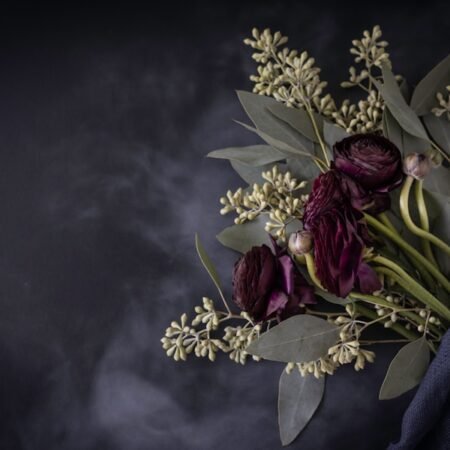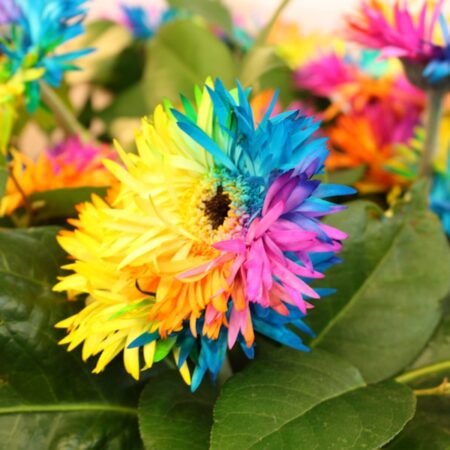

Indoor flowers not only add beauty and color to your living space, but they also offer a range of benefits for your physical and mental well-being. Studies have shown that being around plants and flowers can reduce stress, anxiety, and depression, and can even improve concentration and productivity. The presence of indoor flowers can also help to purify the air in your home, removing toxins and pollutants and increasing oxygen levels. Additionally, caring for indoor flowers can provide a sense of purpose and accomplishment, as well as a connection to nature, which is especially beneficial for those who live in urban environments. Overall, incorporating indoor flowers into your home can have a positive impact on your overall health and well-being.
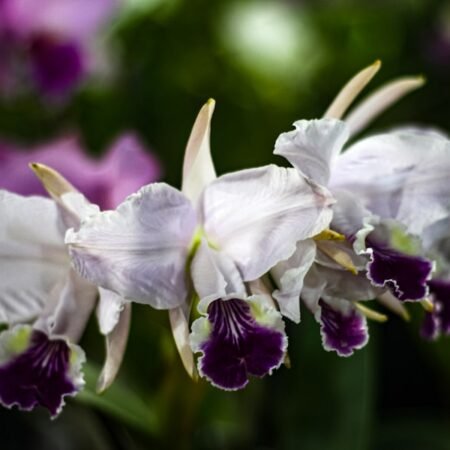
In addition to their health benefits, indoor flowers can also enhance the aesthetic appeal of your home. Whether you prefer vibrant, colorful blooms or elegant, understated foliage, there are indoor flowers to suit every style and taste. From small, delicate orchids to large, dramatic peace lilies, indoor flowers can add a touch of natural beauty to any room in your home. With the wide variety of colors, shapes, and sizes available, you can easily find indoor flowers that complement your existing decor and bring a sense of warmth and vitality to your living space.
Choosing the Right Indoor Flowers for Your Space
When selecting indoor flowers for your home, it’s important to consider the specific conditions of your living space. Different types of indoor flowers have different requirements for light, water, and temperature, so it’s essential to choose plants that will thrive in your particular environment. If you have a sunny, south-facing window, you may want to consider flowering plants such as African violets or geraniums that require plenty of sunlight. On the other hand, if your home has limited natural light, you may opt for low-light plants like snake plants or peace lilies that can thrive in dimmer conditions.
In addition to light requirements, it’s also important to consider the amount of space available for your indoor flowers. If you have limited space, you may want to choose smaller plants or varieties that can be easily displayed on shelves or tabletops. Alternatively, if you have a larger area to fill, you may opt for larger plants or hanging baskets to create a more dramatic effect. It’s also important to consider the overall aesthetic of your home when choosing indoor flowers. Whether you prefer a modern, minimalist look or a more traditional, cozy feel, there are indoor flowers to suit every style and taste.
Caring for Indoor Flowers: Watering, Light, and Temperature
Proper care is essential for the health and longevity of indoor flowers. One of the most important aspects of caring for indoor flowers is providing the right amount of water. Overwatering can lead to root rot and other issues, while underwatering can cause wilting and stunted growth. It’s important to water indoor flowers consistently, allowing the soil to dry out slightly between waterings. The frequency of watering will depend on the specific needs of the plant and the conditions in your home, so it’s important to monitor the soil moisture and adjust your watering schedule accordingly.
In addition to water, light is another crucial factor in caring for indoor flowers. Most flowering plants require at least six hours of sunlight per day to thrive, so it’s important to place them in a location where they will receive adequate light. If natural light is limited in your home, you may need to supplement with artificial grow lights to ensure that your indoor flowers receive the light they need to flourish. It’s also important to consider the temperature requirements of your indoor flowers. Most flowering plants prefer temperatures between 65-75 degrees Fahrenheit during the day and slightly cooler temperatures at night. By providing the right combination of water, light, and temperature, you can help your indoor flowers thrive and flourish in your home.
The Best Indoor Flowers for Low-Maintenance Care
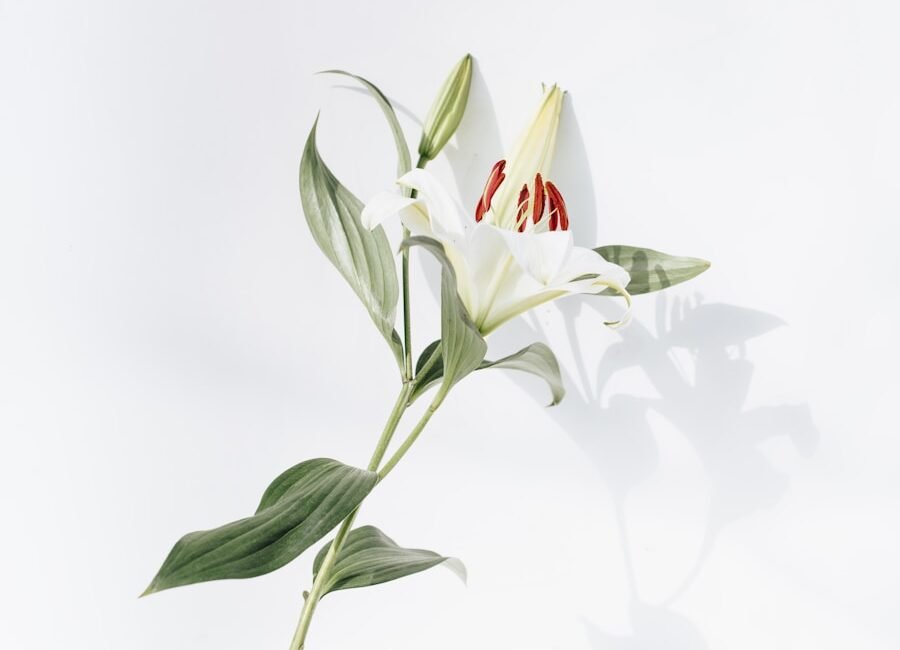
If you’re new to caring for indoor flowers or simply prefer low-maintenance plants, there are several varieties that are well-suited to beginners or those with busy lifestyles. One popular choice for low-maintenance care is the snake plant, also known as mother-in-law’s tongue. This hardy plant thrives in low light and requires minimal watering, making it an ideal choice for those who may not have a green thumb. Another low-maintenance option is the peace lily, which is known for its elegant white blooms and ability to thrive in low light conditions. Peace lilies also have a high tolerance for underwatering, making them a great choice for those who may forget to water their plants regularly.
For those who prefer flowering plants, the spider plant is another excellent choice for low-maintenance care. This resilient plant produces long, arching leaves and small white flowers and can thrive in a variety of light conditions. Spider plants are also known for their ability to purify the air, making them a great choice for improving indoor air quality. Another low-maintenance flowering plant is the ZZ plant, which has glossy green leaves and requires minimal watering and light. With their ability to thrive in low-light conditions and their minimal care requirements, these indoor flowers are perfect for those who want to enjoy the beauty of plants without the need for constant attention.
How to Incorporate Indoor Flowers into Your Home Decor
Incorporating indoor flowers into your home decor is a great way to add natural beauty and warmth to your living space. Whether you prefer a minimalist look or a more eclectic style, there are countless ways to display indoor flowers in your home. One popular option is to use decorative pots or planters to showcase your indoor flowers on shelves or tabletops. You can choose pots in a variety of colors and materials to complement your existing decor and create a cohesive look throughout your home. Hanging baskets are another great way to display indoor flowers, adding visual interest and dimension to any room.
If you have limited space, you may want to consider using wall-mounted planters or vertical gardens to showcase your indoor flowers. These options allow you to create a living wall of greenery that adds a touch of nature to any room without taking up valuable floor space. Another creative way to incorporate indoor flowers into your home decor is by using terrariums or glass containers to create miniature gardens. These self-contained ecosystems can be displayed on tabletops or shelves and require minimal maintenance, making them an ideal option for those with limited time or space.
Dealing with Common Indoor Flower Pests and Diseases
While caring for indoor flowers can be rewarding, it’s important to be aware of common pests and diseases that can affect your plants. One common pest that can affect indoor flowers is spider mites, which are tiny insects that feed on plant sap and can cause yellowing leaves and webbing on the plant. To prevent spider mites, it’s important to regularly inspect your plants for signs of infestation and take steps to control their population if necessary. Another common pest is aphids, which are small insects that feed on plant sap and can cause stunted growth and distorted leaves. To prevent aphids, it’s important to keep your indoor flowers well-watered and properly fertilized, as healthy plants are less susceptible to infestation.
In addition to pests, indoor flowers can also be susceptible to diseases such as powdery mildew and root rot. Powdery mildew is a fungal disease that appears as a white powdery substance on the leaves of plants and can be caused by high humidity or poor air circulation. To prevent powdery mildew, it’s important to provide good air circulation around your plants and avoid overwatering. Root rot is another common issue that can affect indoor flowers, especially if they are overwatered or planted in poorly draining soil. To prevent root rot, it’s important to ensure that your plants are potted in well-draining soil and that excess water is allowed to drain away from the roots.
Propagating Indoor Flowers: Tips for Growing Your Collection
Once you’ve mastered caring for indoor flowers, you may want to consider propagating your plants to grow your collection or share with friends and family. One popular method of propagating indoor flowers is by taking stem cuttings from existing plants and rooting them in water or soil. This method works well for many types of flowering plants, including pothos, philodendron, and spider plants. To propagate using stem cuttings, simply cut a section of stem with several leaves attached and place it in a jar of water or potting soil until roots develop.
Another method of propagating indoor flowers is by dividing existing plants into smaller sections and repotting them into separate containers. This method works well for plants such as peace lilies and snake plants that produce multiple stems or offshoots. To propagate using division, carefully remove the plant from its pot and gently separate the roots into smaller sections before repotting them into individual containers. By propagating your indoor flowers using these methods, you can expand your collection and enjoy the satisfaction of growing new plants from existing ones.
In conclusion, incorporating indoor flowers into your home can have numerous benefits for both your physical and mental well-being. By choosing the right indoor flowers for your space and providing proper care, you can enjoy the beauty of plants while creating a healthier living environment. Whether you prefer low-maintenance options or more challenging varieties, there are countless ways to incorporate indoor flowers into your home decor and grow your collection over time. With proper care and attention, indoor flowers can thrive in any living space and bring joy and beauty into your daily life.