
As the summer heat begins to fade and the days grow shorter, it’s important to understand the specific needs of fall flowers in order to ensure they thrive in your garden. Fall flowers require different care than their spring and summer counterparts, as they are preparing for the colder months ahead. Understanding the needs of fall flowers starts with recognizing that they need ample sunlight, well-drained soil, and protection from harsh winds. Additionally, fall flowers benefit from regular watering and fertilization to support their growth and blooming during this transitional season. By understanding the unique needs of fall flowers, you can create an environment that promotes their health and vitality as they prepare for the changing season.
In addition to the basic needs of sunlight, soil, and water, fall flowers also require attention to their specific blooming and growth patterns. Many fall flowers are late bloomers, meaning they may not start flowering until later in the season. Understanding this timing is crucial for planning and maintaining your garden. Additionally, some fall flowers may benefit from deadheading or pruning to encourage new growth and prolong their blooming period. By understanding the specific needs and growth patterns of fall flowers, you can ensure that your garden is prepared to support their unique requirements during this transitional season.
Preparing your garden for the changing season
As the summer comes to an end and fall approaches, it’s important to prepare your garden for the changing season. This includes cleaning up any debris from the summer, such as fallen leaves or dead plants, and preparing the soil for new fall flowers. Clearing out any old or diseased plants will help prevent the spread of disease and pests in your garden, while also making room for new fall blooms to thrive. Additionally, preparing the soil by adding compost or organic matter can help improve its fertility and drainage, providing a healthy environment for your fall flowers to grow.
In addition to cleaning up and preparing the soil, it’s also important to consider the layout and design of your garden for the fall season. This may include rearranging or adding new plantings to create a visually appealing display of fall flowers. Consider incorporating different heights, textures, and colors to create a dynamic and vibrant garden that will continue to flourish throughout the fall season. By preparing your garden for the changing season, you can create a welcoming and beautiful space that will support the growth and blooming of your fall flowers.
Choosing the right fall flowers for your garden
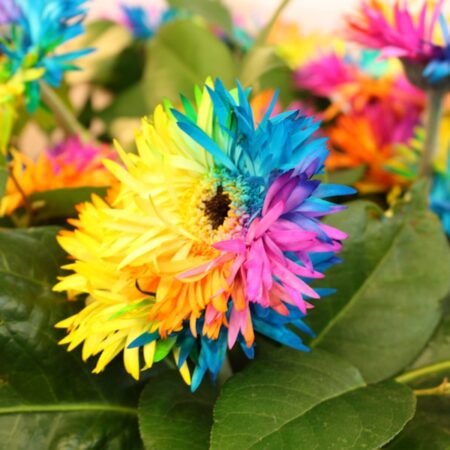
When selecting fall flowers for your garden, it’s important to consider a variety of factors to ensure they will thrive in your specific environment. This includes considering the climate and growing conditions in your area, as well as the specific needs of each type of flower. Some popular choices for fall flowers include chrysanthemums, asters, pansies, and ornamental kale, all of which are known for their vibrant colors and ability to withstand cooler temperatures. Additionally, consider choosing a mix of annuals and perennials to create a diverse and long-lasting display of fall blooms in your garden.
In addition to considering the specific types of fall flowers, it’s also important to think about their placement in your garden. Some fall flowers may prefer full sun, while others may thrive in partial shade. By understanding the specific needs of each type of flower, you can create a well-balanced and harmonious garden that supports their growth and blooming throughout the fall season. When choosing the right fall flowers for your garden, take into account their specific needs and growing conditions to ensure they will thrive in your unique environment.
Maintaining proper watering and fertilization
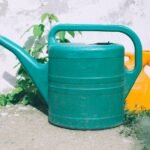
Proper watering and fertilization are essential for supporting the growth and blooming of fall flowers in your garden. As the weather begins to cool down, it’s important to adjust your watering schedule to accommodate the changing needs of your plants. While fall flowers may not require as much water as they did during the summer months, they still need regular watering to support their growth and blooming. Additionally, be mindful of the soil’s moisture level and adjust your watering schedule accordingly to prevent overwatering or underwatering your fall flowers.
In addition to proper watering, fertilization is also important for maintaining the health and vitality of your fall flowers. Consider using a balanced fertilizer that is specifically formulated for flowering plants to provide them with the nutrients they need to thrive. Be mindful of the timing and frequency of fertilization, as over-fertilizing can lead to excessive foliage growth at the expense of blooming. By maintaining proper watering and fertilization, you can ensure that your fall flowers have the support they need to flourish throughout the changing season.
Protecting your flowers from frost and cold temperatures
As the temperatures begin to drop in the fall, it’s important to take steps to protect your flowers from frost and cold temperatures. This may include covering them with a frost cloth or blanket on particularly cold nights, or bringing potted plants indoors if necessary. Additionally, consider planting your fall flowers in sheltered areas of your garden that are less susceptible to harsh winds or frost. By taking proactive measures to protect your flowers from frost and cold temperatures, you can help ensure that they continue to thrive throughout the fall season.
In addition to protecting your flowers from frost and cold temperatures, it’s also important to be mindful of any potential pests or diseases that may arise during this time. Keep an eye out for signs of damage or infestation, and take appropriate measures to address any issues before they become more serious. By being proactive in protecting your flowers from frost, cold temperatures, pests, and diseases, you can help ensure that they remain healthy and vibrant throughout the changing season.
Pruning and deadheading for healthy growth
Pruning and deadheading are important practices for maintaining healthy growth and blooming in your fall flowers. Pruning can help shape and control the growth of your plants, while deadheading can encourage new blooms and prolong their blooming period. Consider removing any dead or diseased foliage from your plants, as well as any spent blooms or seed heads. This will not only improve the appearance of your garden but also promote healthy growth and blooming in your fall flowers.
In addition to pruning and deadheading, it’s also important to be mindful of any potential overgrowth or crowding in your garden. Consider thinning out any overcrowded areas to allow for better air circulation and light penetration, which can help prevent disease and promote healthy growth in your fall flowers. By practicing regular pruning and deadheading, you can help ensure that your fall flowers remain healthy and vibrant throughout the changing season.
Tips for extending the life of your fall flowers
There are several tips you can follow to extend the life of your fall flowers and keep them looking beautiful throughout the season. One tip is to regularly remove any faded or spent blooms from your plants, as this will encourage new growth and prolong their blooming period. Additionally, consider adding a layer of mulch around your plants to help retain moisture in the soil and regulate temperature fluctuations, which can help support their health and vitality.
Another tip for extending the life of your fall flowers is to provide them with regular care and maintenance, such as watering, fertilizing, and pruning as needed. By staying on top of these tasks, you can help ensure that your fall flowers have the support they need to thrive throughout the changing season. Additionally, consider incorporating companion plants or decorative elements into your garden to create a visually appealing display that will continue to flourish as the season progresses.
In conclusion, understanding the needs of fall flowers is essential for creating a healthy and vibrant garden during this transitional season. By preparing your garden for the changing season, choosing the right fall flowers, maintaining proper watering and fertilization, protecting them from frost and cold temperatures, pruning and deadheading for healthy growth, and following tips for extending their life, you can create a beautiful display of fall blooms that will continue to thrive throughout the season. With careful attention and proactive care, you can enjoy a stunning garden filled with colorful fall flowers that will brighten up your outdoor space during this time of transition.