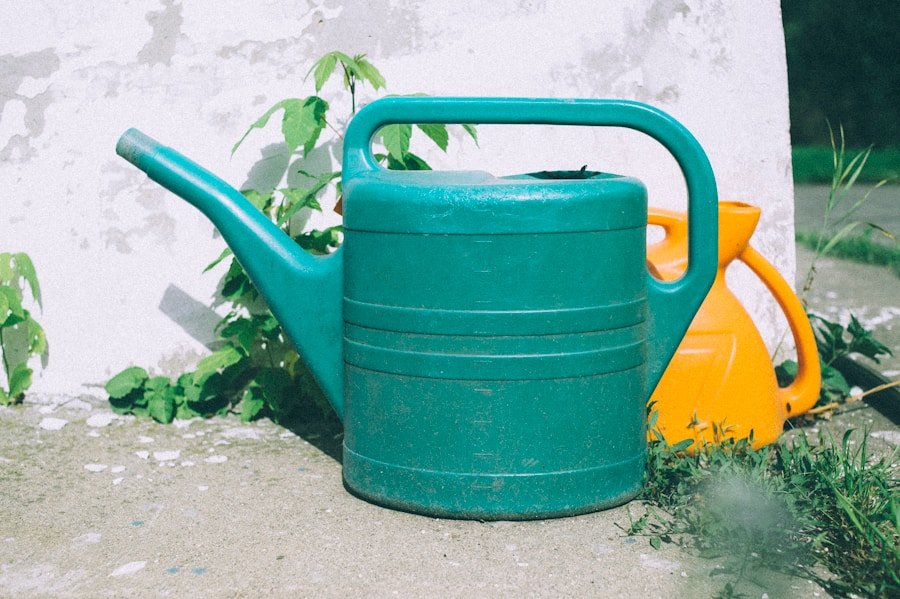

Watering is one of the most important aspects of maintaining a healthy garden, especially in hot weather. Plants need water to survive and thrive, and without an adequate water supply, they can quickly become stressed and wilt. In hot weather, the need for water increases as plants lose moisture through evaporation at a faster rate. Proper watering is essential for ensuring that your plants remain healthy and vibrant, even in the hottest of conditions.
When it comes to watering, it’s important to do so consistently and deeply. This means watering your plants thoroughly, allowing the water to penetrate the soil and reach the roots. Shallow watering can lead to shallow root systems, making plants more susceptible to drought and heat stress. It’s also important to water in the early morning or late evening to minimize evaporation and ensure that the water has time to soak into the soil before the heat of the day sets in. Additionally, using a soaker hose or drip irrigation system can help deliver water directly to the roots, reducing waste and promoting efficient water usage. By paying close attention to your watering routine, you can help your plants stay healthy and resilient in hot weather.
Choosing the Right Plants for Hot Weather
In hot weather, it’s important to choose plants that are well-suited to the conditions. Some plants are naturally more tolerant of heat and drought, making them ideal choices for hot weather gardening. When selecting plants for your garden, consider choosing varieties that are known for their heat tolerance and ability to thrive in hot, dry conditions. Succulents, such as cacti and agave, are excellent choices for hot weather gardens, as they have adapted to survive in arid environments. Additionally, many herbs, such as rosemary, thyme, and oregano, are well-suited to hot weather and can thrive with minimal water.
In addition to choosing heat-tolerant plants, it’s also important to consider the specific needs of each plant when planning your garden. Some plants may require more frequent watering or additional shade to thrive in hot weather, so it’s important to take these factors into account when selecting and arranging your plants. By choosing the right plants for hot weather and understanding their individual needs, you can create a garden that is both beautiful and resilient in the face of extreme temperatures.
Mulching and Soil Care
Mulching is an essential practice for maintaining healthy soil and conserving moisture in hot weather. By applying a layer of mulch around your plants, you can help retain moisture in the soil, reduce evaporation, and suppress weed growth. Mulch also helps insulate the soil, keeping it cooler in hot weather and protecting plant roots from extreme temperatures. When choosing a mulch for your garden, opt for organic materials such as wood chips, straw, or shredded leaves, which will break down over time and enrich the soil.
In addition to mulching, it’s important to care for your soil in hot weather to ensure that it remains healthy and fertile. Regularly testing your soil’s pH levels and nutrient content can help you make informed decisions about fertilizing and amending the soil to support plant growth. Adding organic matter, such as compost or well-rotted manure, can help improve soil structure and water retention, making it easier for plants to access the nutrients they need to thrive in hot weather. By practicing good soil care and mulching techniques, you can create a healthy growing environment for your plants, even in the most challenging of conditions.
Deadheading and Pruning
Deadheading and pruning are important tasks for maintaining healthy plants in hot weather. Deadheading, or removing spent flowers from plants, can help promote continued blooming and prevent the development of seeds, which can divert energy away from flower production. By regularly deadheading your plants, you can encourage them to produce more blooms and maintain a tidy appearance throughout the growing season. Additionally, pruning can help improve air circulation around plants, reduce disease risk, and promote healthy growth.
When deadheading and pruning in hot weather, it’s important to do so carefully to avoid stressing your plants further. Be sure to use clean, sharp tools to make clean cuts and avoid damaging the plant. Additionally, it’s best to deadhead and prune in the early morning or late evening when temperatures are cooler to minimize stress on the plant. By incorporating deadheading and pruning into your gardening routine, you can help your plants stay healthy and vibrant in hot weather.
Protecting from Pests and Diseases
In hot weather, plants are more susceptible to pests and diseases, making it important to take proactive measures to protect them from harm. Regularly inspecting your plants for signs of pests or disease can help you catch problems early and take appropriate action to prevent them from spreading. Additionally, practicing good garden hygiene by removing debris and fallen leaves can help reduce pest and disease pressure by eliminating potential hiding spots for harmful organisms.
In addition to regular inspections and good garden hygiene, there are several other strategies you can use to protect your plants from pests and diseases in hot weather. For example, using row covers or netting can help protect plants from insect pests while still allowing air and light to reach them. Additionally, applying organic pest control products, such as neem oil or insecticidal soap, can help manage pest populations without harming beneficial insects or pollinators. By taking proactive measures to protect your plants from pests and diseases in hot weather, you can help them stay healthy and productive throughout the growing season.
Providing Shade and Shelter
In hot weather, providing shade and shelter for your plants can help protect them from the harsh effects of extreme temperatures. There are several ways you can create shade for your plants, such as using shade cloth or planting taller plants nearby to provide natural shade. Additionally, using structures such as arbors or trellises can help create shaded areas where plants can escape the direct sun during the hottest parts of the day.
In addition to providing shade, it’s also important to provide shelter for your plants from strong winds and other environmental stressors in hot weather. Using windbreaks or planting hedges can help protect your garden from strong winds that can dry out or damage plants. Additionally, providing sheltered areas where plants can escape harsh conditions can help them stay healthy and resilient in hot weather. By providing shade and shelter for your plants, you can create a more hospitable growing environment that supports their health and well-being.
Fertilizing and Feeding
Fertilizing and feeding your plants is an important part of maintaining their health and vitality in hot weather. In extreme temperatures, plants may require additional nutrients to support their growth and resilience. Using a balanced fertilizer with a higher potassium content can help promote strong root development and improve plant tolerance to heat stress. Additionally, applying organic fertilizers such as compost or fish emulsion can help replenish nutrients in the soil and support healthy plant growth.
When fertilizing in hot weather, it’s important to do so carefully to avoid stressing your plants further. Be sure to follow recommended application rates and avoid over-fertilizing, which can lead to nutrient imbalances or burn plant roots. Additionally, it’s best to apply fertilizer in the early morning or late evening when temperatures are cooler to minimize stress on the plant. By providing your plants with the nutrients they need to thrive in hot weather, you can help them stay healthy and resilient throughout the growing season.
In conclusion, maintaining a healthy garden in hot weather requires careful attention to watering, plant selection, soil care, maintenance practices, pest management, shelter provision, and fertilization. By implementing these strategies into your gardening routine, you can create a resilient garden that thrives even in extreme temperatures. With proper care and attention, your garden can remain healthy and vibrant throughout the hottest months of the year.