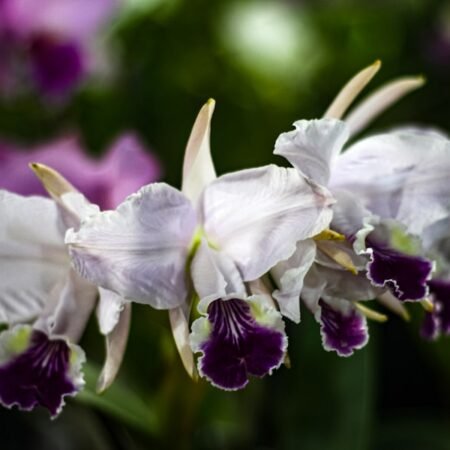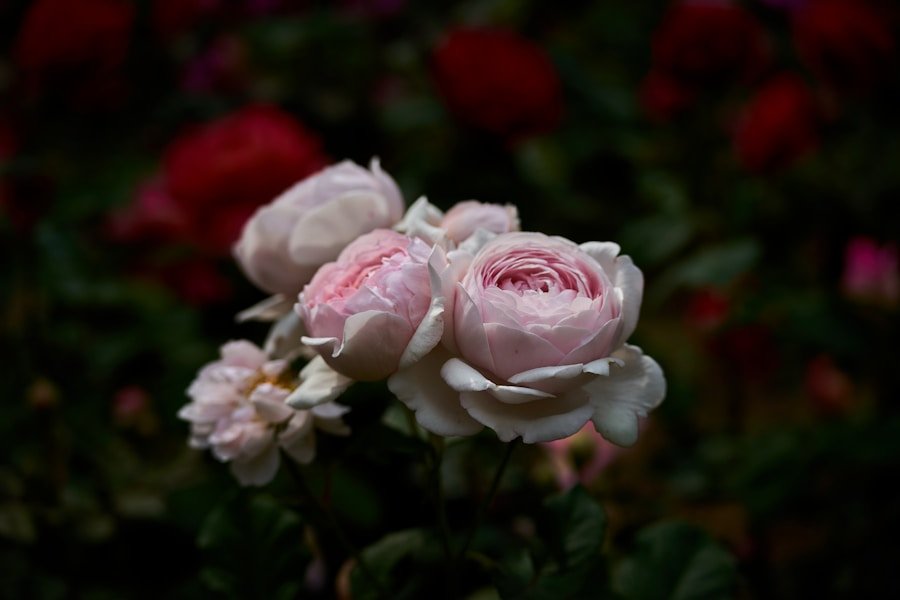

Lisianthus, also known as Eustoma, is a stunning and elegant flower that is native to the southern United States, Mexico, the Caribbean, and northern South America. This delicate and graceful flower is a member of the Gentianaceae family and is known for its beautiful, rose-like blooms and long, slender stems. Lisianthus comes in a variety of colors, including white, pink, lavender, and blue, making it a popular choice for floral arrangements and bouquets. The name “Lisianthus” is derived from the Greek words “lysis,” meaning dissolution, and “anthos,” meaning flower, which reflects the flower’s delicate and ephemeral nature.
Lisianthus has become increasingly popular in the floral industry due to its versatility and beauty. It is often used in wedding bouquets, centerpieces, and other floral arrangements, and its long-lasting blooms make it a favorite among florists and consumers alike. With its delicate petals and graceful appearance, Lisianthus has earned a reputation as a symbol of elegance and sophistication, making it a beloved choice for special occasions and celebrations.
The Beauty of Lisianthus
Lisianthus is renowned for its exquisite beauty and delicate appearance. The flower’s petals are soft and velvety, giving it a luxurious and romantic feel. The blooms can range in size from small and dainty to large and showy, making them a versatile choice for a wide range of floral designs. Lisianthus flowers have a unique trumpet-like shape with ruffled edges, giving them a distinct and eye-catching appearance. The flower’s long, slender stems add to its elegance and make it an ideal choice for creating tall and striking floral arrangements.
One of the most appealing aspects of Lisianthus is its wide range of colors. From soft pastels to vibrant jewel tones, Lisianthus comes in an array of hues that can complement any color scheme or design aesthetic. Whether used on its own or mixed with other flowers, Lisianthus adds a touch of sophistication and charm to any floral arrangement. Its versatility and beauty make it a popular choice for weddings, special events, and everyday floral displays.
Lisianthus vs. Roses: A Comparison
Lisianthus is often compared to roses due to their similar appearance and popularity in the floral industry. While both flowers are beloved for their beauty and elegance, there are some key differences between the two. One of the main distinctions is the texture of their petals – while roses have smooth, silky petals, Lisianthus petals are soft and velvety to the touch. Additionally, Lisianthus blooms have a more delicate and intricate appearance compared to the classic, symmetrical shape of roses.
In terms of availability, Lisianthus is less common than roses, making it a unique and unexpected choice for floral arrangements. While roses are widely available year-round, Lisianthus is typically in season during the summer months, adding to its allure as a seasonal bloom. Both flowers have their own distinct charm and appeal, making them both popular choices for weddings, special events, and everyday floral displays.
Lisianthus Season: When and Where to Find Them
Lisianthus is typically in season during the summer months, from late spring to early fall. During this time, Lisianthus can be found at local flower markets, florists, and garden centers, making it readily available for weddings, special events, and everyday floral arrangements. The peak season for Lisianthus varies depending on the region and climate, but it is generally abundant during the warmer months when it thrives in sunny and temperate conditions.
Lisianthus can also be grown in home gardens with the right care and attention. The flower prefers well-drained soil and plenty of sunlight, making it an ideal choice for outdoor gardens or patio containers. With proper care and maintenance, Lisianthus plants can produce an abundance of blooms throughout the summer season, providing a beautiful and long-lasting display of color and elegance.
Lisianthus Care and Maintenance
Lisianthus is relatively low-maintenance compared to other flowers, making it an ideal choice for both experienced gardeners and beginners alike. When purchasing Lisianthus from a florist or market, it is important to choose stems with firm buds that show no signs of wilting or discoloration. Once brought home, Lisianthus should be placed in a clean vase filled with fresh water and floral preservative to help prolong their vase life.
To ensure the longevity of Lisianthus blooms, it is important to trim the stems at an angle before placing them in water. This allows for better water absorption and helps prevent the stems from becoming waterlogged. Additionally, removing any leaves that will be submerged in water can help prevent bacterial growth and keep the water clean. With proper care and maintenance, Lisianthus flowers can last up to two weeks in a vase, making them an excellent choice for long-lasting floral displays.
Lisianthus in Floral Arrangements and Bouquets
Lisianthus is a popular choice for floral arrangements and bouquets due to its versatility and beauty. The flower’s long stems make it an ideal choice for creating tall and striking arrangements, while its delicate blooms add a touch of elegance to any design. Lisianthus can be used on its own as a focal point or mixed with other flowers to create lush and romantic bouquets.
When designing with Lisianthus, it is important to consider its delicate nature and handle the stems with care to avoid damaging the blooms. The flower’s long vase life makes it an excellent choice for creating arrangements in advance for special events or occasions. Whether used in bridal bouquets, centerpieces, or everyday floral displays, Lisianthus adds a touch of sophistication and charm to any design.
Lisianthus: A Symbol of Elegance and Longevity
Lisianthus has long been associated with elegance, grace, and longevity, making it a beloved choice for weddings, special events, and everyday floral displays. The flower’s delicate petals and soft colors evoke a sense of romance and beauty, while its long vase life symbolizes endurance and lasting love. In Victorian times, Lisianthus was often used to convey messages of appreciation and gratitude due to its graceful appearance and long-lasting blooms.
Today, Lisianthus continues to be a popular choice for expressing sentiments of love, admiration, and appreciation. Whether used on its own or mixed with other flowers, Lisianthus adds a touch of sophistication and charm to any floral arrangement or bouquet. Its timeless beauty and enduring nature make it a meaningful choice for commemorating special occasions and celebrating life’s most precious moments.