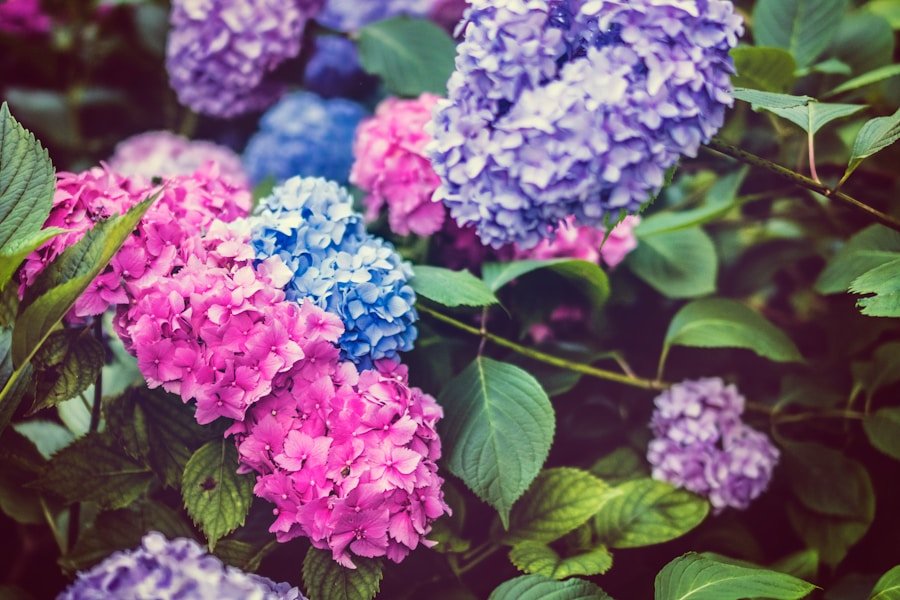

Hydrangeas are a popular flowering shrub known for their large, showy blooms and lush foliage. There are several different varieties of hydrangeas, each with its own unique characteristics and growing requirements. Some of the most common varieties include the mophead hydrangea, lacecap hydrangea, panicle hydrangea, and oakleaf hydrangea.
Mophead hydrangeas are known for their large, round flower clusters, while lacecap hydrangeas have flat, lacy flower heads. Panicle hydrangeas have cone-shaped flower clusters that can range in color from white to pink to red, and oakleaf hydrangeas are named for their distinctive oak-shaped leaves. Each variety has its own specific needs when it comes to sunlight, soil, and water requirements, so it’s important to choose the right variety for your specific growing conditions.
When selecting a hydrangea variety for your garden, consider factors such as the amount of sunlight the area receives, the type of soil in your garden, and the climate in your region. By choosing the right variety for your specific growing conditions, you can ensure that your hydrangeas will thrive and produce beautiful blooms year after year.
Hydrangea Care in Hot and Dry Climates
Hydrangeas are known for their love of moisture, so caring for them in hot and dry climates can be a bit challenging. In these conditions, it’s important to provide your hydrangeas with plenty of water to keep the soil consistently moist. Consider using a soaker hose or drip irrigation system to ensure that your hydrangeas receive an adequate amount of water, especially during periods of drought.
In addition to watering, it’s also important to provide some shade for your hydrangeas in hot and dry climates. Consider planting them in a location that receives morning sun and afternoon shade, or provide some form of temporary shade during the hottest part of the day. Mulching around the base of the plant can also help to retain moisture in the soil and keep the roots cool.
Hydrangea Care in Cool and Wet Climates
In cool and wet climates, hydrangeas generally thrive with minimal effort. However, there are still some important care considerations to keep in mind. In these conditions, it’s important to ensure that your hydrangeas are planted in well-draining soil to prevent waterlogged roots. Consider amending the soil with organic matter such as compost or peat moss to improve drainage and provide essential nutrients.
While hydrangeas generally enjoy moist soil, they can be susceptible to root rot in excessively wet conditions. To prevent this, avoid overwatering and allow the soil to dry out slightly between waterings. Additionally, providing good air circulation around the plants can help to prevent fungal diseases that thrive in cool and wet conditions.
Tips for Pruning Hydrangeas in Different Climates
Pruning is an important part of caring for hydrangeas, but the timing and method can vary depending on the variety and climate. In general, it’s best to prune hydrangeas immediately after they finish flowering, as this allows them to set buds for the following year. However, the specific timing and method of pruning can vary depending on the variety of hydrangea and the climate in which they are grown.
For mophead and lacecap hydrangeas, it’s best to prune them in late summer or early fall to remove any dead or damaged wood and shape the plant as desired. Panicle hydrangeas can be pruned in late winter or early spring before new growth begins, while oakleaf hydrangeas should be pruned immediately after flowering to avoid cutting off next year’s blooms.
Fertilizing Hydrangeas for Optimal Growth
Fertilizing is an important part of caring for hydrangeas, as it provides essential nutrients that promote healthy growth and abundant blooms. When fertilizing hydrangeas, it’s important to choose a fertilizer that is specifically formulated for acid-loving plants, as this will provide the necessary nutrients for optimal growth.
In general, it’s best to fertilize hydrangeas in early spring before new growth begins and again in late spring or early summer to promote blooming. Avoid fertilizing in late summer or fall, as this can stimulate new growth that may be damaged by frost. Additionally, be sure to follow the manufacturer’s instructions for application rates and methods to avoid over-fertilizing, which can lead to excessive foliage growth at the expense of blooms.
Protecting Hydrangeas from Extreme Weather
Hydrangeas can be sensitive to extreme weather conditions, so it’s important to take steps to protect them from potential damage. In hot climates, providing shade and adequate water can help prevent heat stress and wilting. Consider using shade cloth or planting them near taller plants or structures that can provide some relief from the sun’s intense rays.
In cold climates, it’s important to protect hydrangeas from frost and freezing temperatures. Consider covering them with a layer of mulch or burlap to insulate the roots and protect them from extreme cold. Additionally, avoid pruning or fertilizing in late summer or fall, as this can stimulate new growth that may be damaged by frost.
Troubleshooting Common Hydrangea Problems in Various Climates
Hydrangeas can be susceptible to a variety of common problems, including pests, diseases, and environmental stressors. In hot and dry climates, common issues may include wilting due to heat stress or spider mites infestations. Providing adequate water and shade can help prevent these issues from occurring.
In cool and wet climates, hydrangeas may be more susceptible to fungal diseases such as powdery mildew or botrytis blight. Providing good air circulation around the plants and avoiding overwatering can help prevent these issues from occurring. Additionally, keeping the area around the plants free of debris and fallen leaves can help reduce the risk of pest infestations and disease development.
In conclusion, caring for hydrangeas requires careful attention to their specific needs based on their variety and the climate in which they are grown. By understanding the different varieties of hydrangeas and their unique requirements, as well as implementing proper care practices such as watering, pruning, fertilizing, and protection from extreme weather, you can ensure that your hydrangeas thrive and produce beautiful blooms year after year. By troubleshooting common problems that may arise in various climates, you can address issues promptly and keep your hydrangeas healthy and vibrant. With proper care and attention, your hydrangeas can be a stunning addition to any garden landscape.