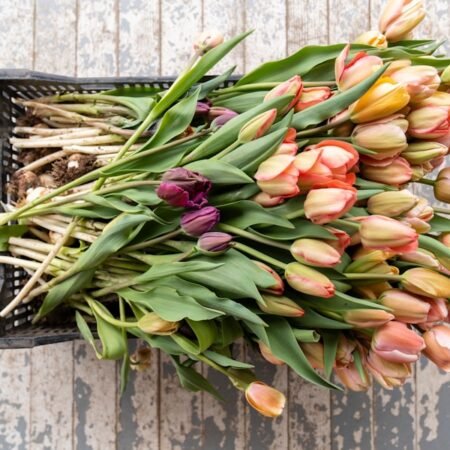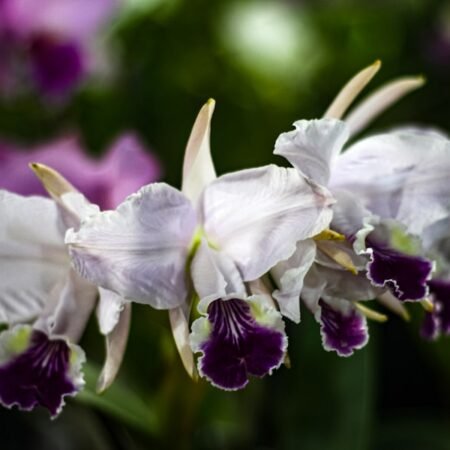

When it comes to understanding the needs of different flower varieties, it’s important to recognize that each type of flower has its own unique requirements for optimal growth and longevity. For example, some flowers, such as roses and lilies, thrive in full sun, while others, like hydrangeas and begonias, prefer partial shade. Additionally, certain flowers, such as tulips and daffodils, require well-drained soil, while others, like irises and peonies, thrive in moist, rich soil. By taking the time to research and understand the specific needs of the flowers you are growing, you can ensure that they receive the proper care and attention they need to flourish.
In addition to sunlight and soil requirements, it’s also important to consider the climate and temperature needs of different flower varieties. Some flowers, such as petunias and marigolds, are more tolerant of hot, dry conditions, while others, like pansies and snapdragons, prefer cooler temperatures. By understanding the climate and temperature needs of different flower varieties, you can choose the right flowers for your specific growing conditions and provide them with the ideal environment for long-lasting blooms.
Proper Watering Techniques for Long-lasting Blooms
Proper watering is essential for ensuring long-lasting blooms in your garden. Different flower varieties have different watering needs, so it’s important to understand the specific requirements of the flowers you are growing. For example, some flowers, such as geraniums and petunias, prefer consistently moist soil, while others, like succulents and lavender, thrive in drier conditions. By understanding the watering needs of different flower varieties, you can avoid overwatering or underwatering your plants and help them to thrive.
In addition to understanding the specific watering needs of different flower varieties, it’s also important to consider the timing and method of watering. For most flowers, it’s best to water in the morning to allow the plants to absorb the moisture before the heat of the day sets in. Additionally, it’s important to water at the base of the plants rather than from above to avoid wetting the foliage, which can lead to disease and pest problems. By following proper watering techniques and providing your flowers with the right amount of moisture at the right time, you can help them to produce long-lasting blooms.
Pruning and Deadheading for Continued Flowering
Pruning and deadheading are essential tasks for ensuring continued flowering in your garden. Pruning involves removing dead or overgrown branches and stems from your plants to promote new growth and improve overall plant health. Deadheading, on the other hand, involves removing spent flowers from your plants to encourage the production of new blooms. By regularly pruning and deadheading your flowers, you can help them to continue flowering throughout the growing season.
When it comes to pruning, it’s important to use sharp, clean tools to make clean cuts and avoid damaging the plant. Additionally, it’s important to prune at the right time for each specific flower variety to avoid cutting off potential buds or flowers. Deadheading is a simple task that can be done by pinching or cutting off spent flowers as soon as they begin to fade. By regularly pruning and deadheading your flowers, you can help them to maintain a neat appearance and continue producing beautiful blooms.
The Importance of Fertilization and Soil Health
Fertilization and soil health play a crucial role in the overall health and longevity of your flowers. Different flower varieties have different nutrient requirements, so it’s important to choose the right type of fertilizer for your specific plants. Additionally, it’s important to consider the pH level of your soil and make any necessary adjustments to ensure that your flowers have access to the nutrients they need for optimal growth.
In addition to fertilization, it’s important to maintain healthy soil by regularly adding organic matter, such as compost or mulch, to improve soil structure and fertility. Healthy soil provides a strong foundation for your plants and helps them to develop strong root systems, which are essential for producing long-lasting blooms. By paying attention to fertilization and soil health, you can provide your flowers with the nutrients and growing conditions they need to thrive.
Creating the Ideal Environment for Flower Longevity
Creating the ideal environment for flower longevity involves considering a variety of factors, including sunlight, temperature, soil quality, and air circulation. Providing your flowers with the right growing conditions can help them to thrive and produce long-lasting blooms. For example, choosing the right location for your garden beds or containers can ensure that your flowers receive the proper amount of sunlight and protection from harsh winds.
In addition to choosing the right location for your flowers, it’s important to consider air circulation and spacing to prevent disease and pest problems. Proper air circulation can help to prevent moisture buildup on foliage, which can lead to fungal diseases. Additionally, providing adequate spacing between plants can help to reduce competition for nutrients and sunlight, allowing each plant to thrive. By creating the ideal environment for your flowers, you can help them to produce long-lasting blooms and maintain overall plant health.
Managing Pests and Diseases to Ensure Blooming Continuity
Managing pests and diseases is essential for ensuring blooming continuity in your garden. Different flower varieties are susceptible to different pests and diseases, so it’s important to monitor your plants regularly for signs of trouble. Common pests that can affect flowers include aphids, spider mites, and caterpillars, while common diseases include powdery mildew, botrytis, and rust. By identifying and addressing pest and disease problems early on, you can prevent them from spreading and causing damage to your plants.
There are a variety of methods for managing pests and diseases in the garden, including using natural predators, such as ladybugs or lacewings, to control pest populations. Additionally, there are many organic sprays and treatments available that can help to prevent or treat common diseases without harming beneficial insects or pollinators. By staying vigilant and taking proactive measures to manage pests and diseases in your garden, you can help your flowers to continue blooming throughout the growing season.
Tips for Extending the Lifespan of Cut Flowers
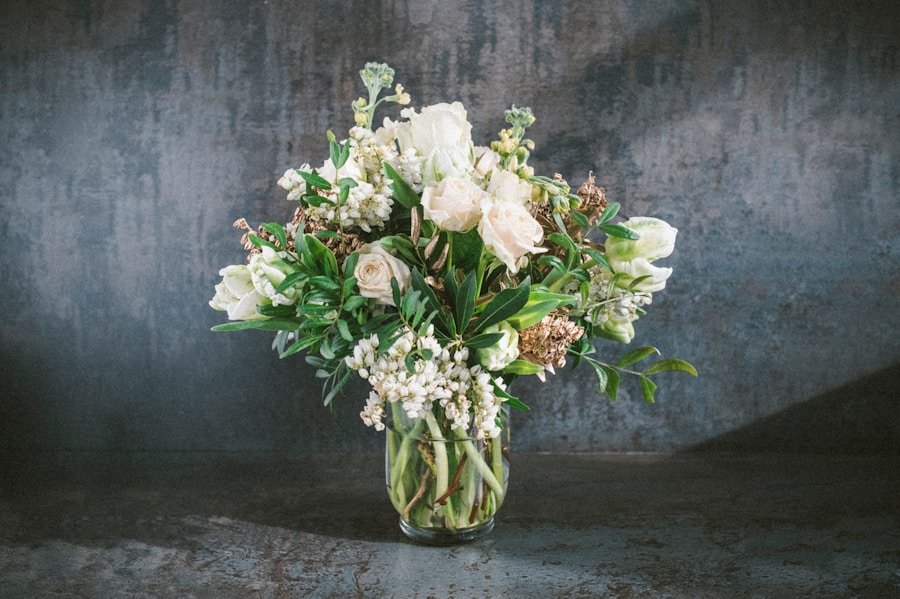
Extending the lifespan of cut flowers involves taking steps to ensure that they receive proper care from the moment they are harvested until they are placed in a vase. One important tip for extending the lifespan of cut flowers is to harvest them at the right time of day when their stems are filled with water and their blooms are fully open. Additionally, it’s important to use sharp scissors or pruners to make clean cuts at an angle on the stems before placing them in water.
Once cut flowers are harvested, it’s important to place them in a clean vase filled with fresh water mixed with floral preservative. Floral preservatives contain nutrients and antimicrobial agents that can help cut flowers stay fresh longer. It’s also important to change the water in the vase every few days and recut the stems at an angle to ensure that they continue to take up water effectively. By following these tips for extending the lifespan of cut flowers, you can enjoy beautiful blooms indoors for as long as possible.
In conclusion, understanding the needs of different flower varieties is essential for providing them with the proper care they need to thrive. By following proper watering techniques, pruning and deadheading regularly, providing adequate fertilization and maintaining healthy soil, creating an ideal growing environment, managing pests and diseases effectively, and following tips for extending the lifespan of cut flowers, you can help your flowers produce long-lasting blooms that will brighten your garden or home throughout the growing season. With a little knowledge and attention to detail, you can enjoy beautiful blooms from a wide variety of flowers year after year.