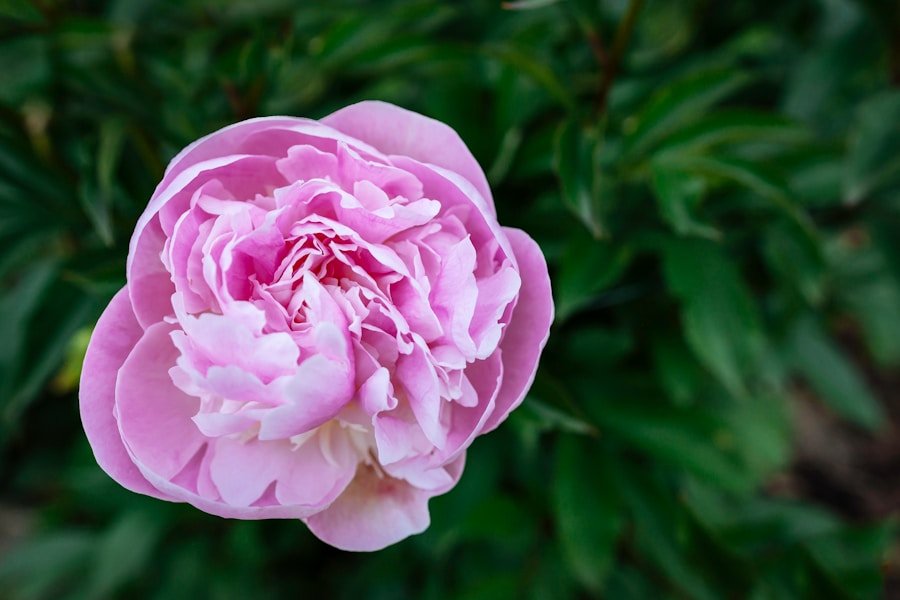

When it comes to growing peonies, choosing the right location is crucial for their success. Peonies thrive in full sun, so it’s important to select a spot in your garden that receives at least 6-8 hours of direct sunlight each day. This will ensure that your peonies receive the necessary light to produce abundant blooms. Additionally, it’s important to choose a location with well-draining soil to prevent waterlogged roots, which can lead to root rot and other issues. Peonies also prefer a location with good air circulation to prevent the development of fungal diseases. By selecting a sunny, well-drained, and airy location for your peonies, you’ll set them up for success and ensure they thrive for years to come.
Another important factor to consider when choosing a location for your peonies is their proximity to other plants. Peonies are known for their large, showy blooms, so it’s important to give them plenty of space to shine. Planting them too close to other plants can result in overcrowding and competition for resources, which can negatively impact their growth and blooming. Additionally, peonies have deep, extensive root systems, so it’s important to avoid planting them near shallow-rooted plants that may compete for water and nutrients. By carefully selecting a spacious, well-drained, and sunny location for your peonies, you’ll create the ideal growing environment for these stunning flowers.
Proper Soil Preparation for Healthy Peonies
In order to ensure the health and vitality of your peonies, proper soil preparation is essential. Peonies thrive in rich, well-draining soil with a slightly acidic pH level of 6.5-7.0. Before planting your peonies, it’s important to amend the soil with organic matter such as compost, well-rotted manure, or peat moss to improve its texture and fertility. This will provide your peonies with the necessary nutrients and ensure they have a strong foundation for healthy growth. Additionally, it’s important to ensure that the soil is well-draining to prevent waterlogged roots, which can lead to root rot and other issues. If you have heavy clay soil, consider adding sand or perlite to improve drainage and prevent water from pooling around the roots of your peonies.
Another important aspect of soil preparation for peonies is ensuring proper soil depth. Peonies have deep root systems, so it’s important to plant them in soil that is at least 12-18 inches deep. This will provide them with the necessary space to establish strong roots and support healthy growth. Additionally, it’s important to ensure that the soil is loose and friable to allow for easy root penetration and expansion. By taking the time to properly prepare the soil for your peonies, you’ll provide them with the ideal growing environment and set them up for long-term success.
Watering and Fertilizing Techniques for Thriving Peonies
Proper watering and fertilizing are essential for ensuring the health and vitality of your peonies. Peonies prefer consistently moist soil, so it’s important to water them regularly, especially during dry periods. However, it’s important to avoid overwatering, as this can lead to waterlogged roots and other issues. To determine when your peonies need water, simply insert your finger into the soil near the base of the plant. If the soil feels dry to a depth of 1-2 inches, it’s time to water. When watering your peonies, it’s best to use a soaker hose or drip irrigation system to deliver water directly to the roots and minimize moisture on the foliage, which can lead to fungal diseases.
In addition to proper watering, fertilizing is also important for the health and vigor of your peonies. In early spring, as new growth emerges, apply a balanced, slow-release fertilizer formulated for flowering plants according to the package instructions. This will provide your peonies with the necessary nutrients to support healthy growth and abundant blooms. It’s important to avoid over-fertilizing, as this can lead to excessive foliage growth at the expense of blooms. Additionally, it’s important to avoid high-nitrogen fertilizers, as these can also promote excessive foliage at the expense of blooms. By following proper watering and fertilizing techniques, you’ll ensure that your peonies have the necessary resources to thrive and produce stunning blooms.
Pruning and Deadheading for Maximum Blooms
Pruning and deadheading are important tasks for maximizing the blooming potential of your peonies. In late fall or early spring, it’s important to cut back the foliage of herbaceous peonies to ground level to remove any diseased or damaged foliage and promote healthy regrowth in the spring. Additionally, removing old foliage helps prevent the development of fungal diseases and pests that can overwinter in the foliage. When deadheading spent blooms from your peonies, it’s important to cut the stem back to a set of healthy leaves or a lateral bud to encourage new growth and future blooms. Deadheading also prevents the formation of seed pods, which can divert energy away from flower production.
In addition to pruning and deadheading, it’s important to avoid cutting back the foliage of herbaceous peonies too early in the fall. The foliage of herbaceous peonies should be left intact until it naturally begins to die back after the first hard frost. This allows the plant to absorb nutrients from the foliage and store them in the roots for next year’s growth and blooming. By following proper pruning and deadheading techniques, you’ll ensure that your peonies produce maximum blooms and remain healthy and vigorous year after year.
Protecting Peonies from Pests and Diseases
Protecting your peonies from pests and diseases is essential for ensuring their long-term health and vitality. One common pest that can affect peonies is the red spider mite, which feeds on the undersides of leaves and causes stippling and discoloration. To prevent red spider mites, it’s important to regularly inspect the foliage of your peonies and treat any infestations with insecticidal soap or horticultural oil. Another common pest that can affect peonies is the peony borer, which burrows into the stems of peonies and causes wilting and dieback. To prevent peony borers, it’s important to inspect the stems of your peonies for entry holes and treat any infestations with an appropriate insecticide.
In addition to pests, peonies are also susceptible to several fungal diseases, including botrytis blight and powdery mildew. To prevent fungal diseases, it’s important to provide your peonies with good air circulation by spacing them properly and avoiding overhead watering. Additionally, it’s important to remove any diseased foliage from your peonies as soon as it is noticed and treat any infestations with a fungicide labeled for use on peonies. By taking proactive measures to protect your peonies from pests and diseases, you’ll ensure that they remain healthy and vibrant year after year.
Supporting and Staking Peonies for Strong Stems
Supporting and staking your peonies is essential for preventing their large blooms from flopping over and becoming damaged. One common method for supporting peonies is using metal or plastic stakes placed around the perimeter of the plant and tying twine or garden tape around the stakes in a crisscross pattern to create a supportive grid. This method provides support for the stems without restricting their natural growth and movement. Another method for supporting peonies is using individual stem supports or hoops placed around each stem to provide support from all sides.
In addition to supporting individual stems, it’s also important to provide overall support for large clumps of peonies by using circular wire supports or grow-through grids placed over the entire plant. These supports help keep the entire clump upright and prevent individual stems from flopping over onto each other. By providing proper support for your peonies, you’ll ensure that their large blooms remain upright and beautiful throughout the blooming season.
Overwintering and Dividing Peonies for Long-Term Success
Overwintering and dividing your peonies are important tasks for ensuring their long-term success and vitality. In late fall, after the first hard frost, it’s important to cut back the foliage of herbaceous peonies to ground level to remove any diseased or damaged foliage and promote healthy regrowth in the spring. Additionally, it’s important to apply a layer of mulch around the base of your peonies to protect them from freezing temperatures and fluctuating winter conditions.
In addition to overwintering, dividing mature peony clumps every 4-5 years is essential for maintaining their vigor and blooming potential. To divide peonies, carefully dig up the entire clump in early fall after cutting back the foliage and gently separate it into smaller sections using a sharp knife or garden fork. Each section should have at least 3-5 eyes (buds) and a healthy root system. Replant the divisions in well-prepared soil with good drainage and plenty of sunlight, making sure that each division is planted at the same depth as it was previously growing. By properly overwintering and dividing your peonies, you’ll ensure that they remain healthy and vibrant for many years to come.
In conclusion, growing healthy and vibrant peonies requires careful consideration of their location, soil preparation, watering and fertilizing techniques, pruning and deadheading practices, pest and disease prevention measures, support and staking methods, as well as overwintering and dividing strategies. By following these guidelines and providing your peonies with the necessary care and attention they require, you’ll be rewarded with stunning blooms year after year. With proper planning and maintenance, your peony garden will become a beautiful focal point in your landscape that brings joy and beauty for many seasons to come.