
Mulching is a crucial practice for maintaining a healthy and vibrant garden throughout the year. One of the main benefits of seasonal mulching is its ability to regulate soil temperature. In the summer, mulch helps to keep the soil cool and moist, while in the winter, it acts as an insulator, protecting the soil from freezing temperatures. Additionally, mulch helps to suppress weed growth, reducing the need for constant weeding and allowing your plants to thrive without competition for nutrients and water. Mulch also helps to retain moisture in the soil, reducing the need for frequent watering and conserving water resources. Furthermore, as mulch breaks down, it adds organic matter to the soil, improving its structure and fertility. Overall, seasonal mulching is an essential practice for maintaining a healthy and productive garden year-round.
Mulching also provides a protective barrier for plant roots, shielding them from extreme temperatures and preventing erosion. This is especially important in areas with harsh weather conditions, where plants may be more vulnerable to damage. In addition, mulch can help to prevent soil compaction, which can restrict root growth and lead to poor plant health. By creating a layer of mulch around your plants, you can ensure that they have the best possible growing conditions, leading to stronger, more resilient plants. Finally, mulch can also improve the aesthetic appeal of your garden, providing a neat and tidy appearance while also reducing maintenance requirements. With so many benefits, it’s clear that seasonal mulching is an essential practice for any gardener looking to maintain a healthy and thriving garden.
Choosing the Right Mulch for Each Season
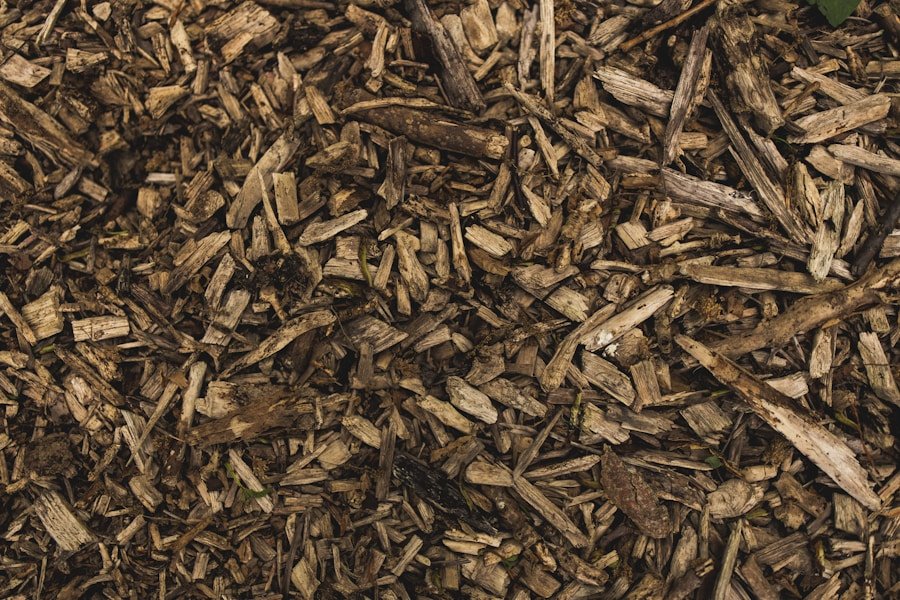
When it comes to choosing the right mulch for each season, it’s important to consider the specific needs of your garden and the climate in your area. In the spring and summer, organic mulches such as straw, grass clippings, and wood chips are popular choices, as they help to retain moisture and regulate soil temperature. These types of mulch also break down over time, adding valuable organic matter to the soil. In contrast, in the fall and winter, it’s important to choose a mulch that provides insulation and protection from freezing temperatures. Pine straw, shredded leaves, and bark mulch are all excellent options for winter mulching, as they provide a thick layer of insulation while also allowing air and water to penetrate the soil.
In addition to considering the specific needs of each season, it’s also important to choose a mulch that complements the aesthetic of your garden. For example, if you have a formal garden with neatly trimmed hedges and flower beds, you may prefer a more uniform mulch such as wood chips or gravel. On the other hand, if you have a more naturalistic garden with a variety of plants and textures, you may opt for a more organic mulch such as shredded leaves or pine straw. By choosing the right mulch for each season and considering the overall look of your garden, you can ensure that your mulching efforts are both effective and visually appealing.
How to Apply Mulch for Maximum Effectiveness
Applying mulch correctly is essential for maximizing its effectiveness in your garden. When applying mulch, it’s important to start with a clean and weed-free surface to prevent weeds from growing through the mulch layer. Begin by removing any existing weeds or debris from the area where you plan to apply mulch. Next, apply a layer of mulch that is at least 2-3 inches thick to provide adequate coverage and insulation for your plants. Be sure to leave a small gap around the base of trees and shrubs to prevent moisture from accumulating against their trunks, which can lead to rot and disease.
It’s also important to avoid piling mulch directly against plant stems or trunks, as this can create a moist environment that encourages pests and disease. Instead, create a slight depression around the base of each plant to allow water to penetrate the soil while still providing insulation and weed suppression. Finally, be sure to replenish your mulch layer as needed throughout the season to maintain its effectiveness. By following these steps and applying mulch correctly, you can ensure that your garden receives maximum benefits from this essential practice.
Mulching Tips for Spring and Summer
In the spring and summer months, it’s important to choose a mulch that helps retain moisture and regulate soil temperature in your garden. Organic mulches such as straw, grass clippings, and wood chips are excellent choices for this time of year, as they break down over time and add valuable organic matter to the soil. When applying mulch in the spring and summer, be sure to apply a layer that is at least 2-3 inches thick to provide adequate coverage and insulation for your plants. Additionally, be sure to leave a small gap around the base of trees and shrubs to prevent moisture from accumulating against their trunks.
It’s also important to replenish your mulch layer as needed throughout the spring and summer months to maintain its effectiveness. As the weather warms up and plants begin to grow more vigorously, they may require additional mulch to help retain moisture and suppress weed growth. By following these tips for spring and summer mulching, you can ensure that your garden remains healthy and vibrant throughout the growing season.
Mulching Tips for Fall and Winter
In the fall and winter months, it’s important to choose a mulch that provides insulation and protection from freezing temperatures in your garden. Pine straw, shredded leaves, and bark mulch are all excellent options for winter mulching, as they provide a thick layer of insulation while also allowing air and water to penetrate the soil. When applying mulch in the fall and winter, be sure to apply a layer that is at least 3-4 inches thick to provide adequate insulation for your plants.
It’s also important to avoid piling mulch directly against plant stems or trunks in the fall and winter months, as this can create a moist environment that encourages pests and disease. Instead, create a slight depression around the base of each plant to allow water to penetrate the soil while still providing insulation and weed suppression. By following these tips for fall and winter mulching, you can ensure that your garden remains protected from harsh weather conditions throughout the colder months.
Common Mistakes to Avoid When Mulching
While mulching is an essential practice for maintaining a healthy garden, there are several common mistakes that gardeners should avoid when applying mulch. One common mistake is applying too much mulch, which can suffocate plant roots and prevent water from reaching the soil. It’s important to apply a layer of mulch that is no more than 3-4 inches thick to provide adequate coverage without smothering your plants.
Another common mistake is piling mulch directly against plant stems or trunks, which can create a moist environment that encourages pests and disease. Instead, create a slight depression around the base of each plant to allow water to penetrate the soil while still providing insulation and weed suppression. Finally, it’s important to avoid using dyed or treated mulches that may contain harmful chemicals or toxins that can leach into the soil over time. By avoiding these common mistakes when mulching, you can ensure that your garden remains healthy and vibrant throughout the year.
Maintaining Your Mulched Garden Throughout the Year
Once you’ve applied mulch to your garden, it’s important to maintain it throughout the year to ensure its effectiveness. One important aspect of maintaining your mulched garden is replenishing the mulch layer as needed. As organic mulches break down over time, they may need to be topped up periodically to maintain their effectiveness in regulating soil temperature and retaining moisture.
It’s also important to monitor your mulched garden for signs of pests or disease that may be attracted to the moist environment created by the mulch layer. By keeping an eye on your garden and addressing any issues promptly, you can prevent problems from escalating and ensure that your plants remain healthy throughout the year.
In addition, it’s important to adjust your mulching practices according to the changing seasons. In the spring and summer months, you may need to add additional mulch to help retain moisture and suppress weed growth as plants grow more vigorously. In contrast, in the fall and winter months, you may need to apply a thicker layer of mulch to provide insulation and protection from freezing temperatures.
By maintaining your mulched garden throughout the year and adjusting your practices according to the changing seasons, you can ensure that your garden remains healthy and vibrant year-round.
In conclusion, seasonal mulching is an essential practice for maintaining a healthy and productive garden throughout the year. By choosing the right mulch for each season and applying it correctly, you can regulate soil temperature, suppress weed growth, retain moisture, improve soil structure, protect plant roots, prevent erosion, and enhance the aesthetic appeal of your garden. However, it’s important to avoid common mistakes such as applying too much mulch or piling it against plant stems or trunks. By maintaining your mulched garden throughout the year and adjusting your practices according to the changing seasons, you can ensure that your garden remains healthy and vibrant year-round. With these tips in mind, you can make the most of seasonal mulching in your own garden and enjoy its many benefits throughout the year.