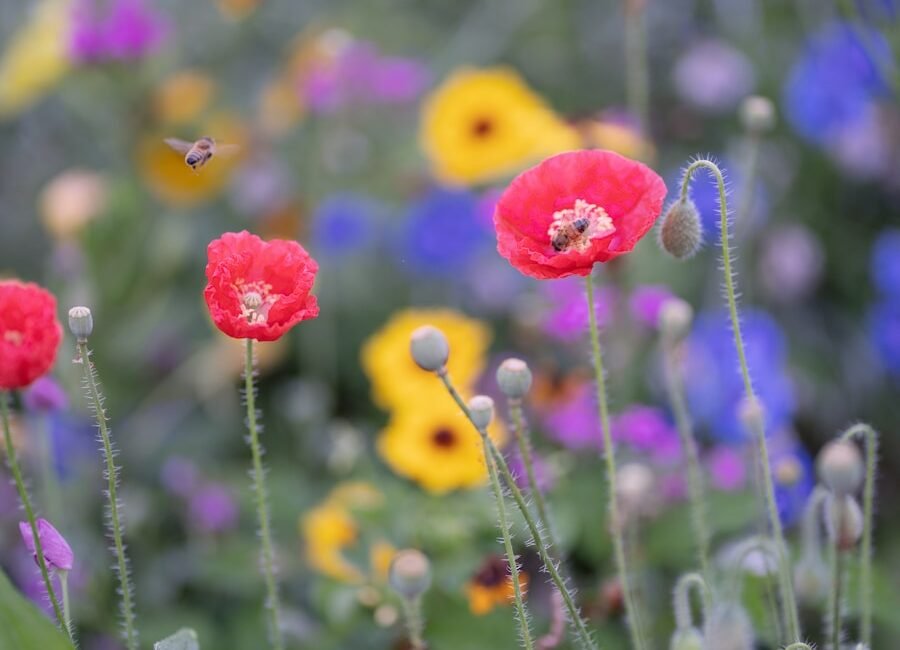

Poppy flowers have a rich historical significance that dates back thousands of years. The ancient Greeks and Romans associated poppies with sleep, death, and fertility, and they often used them in various religious and medicinal practices. In Greek mythology, poppies were linked to Morpheus, the god of dreams, and were believed to bring peaceful sleep and relief from pain. The Romans also used poppies in their religious ceremonies and as offerings to the gods. Additionally, poppies have been depicted in ancient art and literature, further highlighting their historical importance.
During the 19th and 20th centuries, poppies gained even more historical significance due to their association with World War
The fields of Flanders, Belgium, became known for their vibrant red poppies, which grew in abundance despite the devastation caused by the war. This inspired the famous poem “In Flanders Fields” by John McCrae, which immortalized the poppy as a symbol of remembrance for fallen soldiers. Today, poppies are still used as a symbol of remembrance in many countries, particularly on Remembrance Day and Memorial Day.
The Cultural and Religious Symbolism of Poppy Flowers
In addition to their historical significance, poppy flowers hold deep cultural and religious symbolism in many societies around the world. In Eastern cultures, poppies are often associated with death and rebirth, and they are used in funerary rituals and as offerings to ancestors. In China, poppies are a symbol of restful sleep and peaceful death, and they are often included in funeral arrangements. Similarly, in Japan, poppies are associated with eternal sleep and are used in funerals to symbolize peaceful rest for the deceased.
In Western cultures, poppies have come to symbolize both remembrance and hope. The red poppy has become a symbol of remembrance for fallen soldiers, particularly in the United Kingdom, Canada, Australia, and New Zealand. The white poppy, on the other hand, has been adopted as a symbol of peace and is often worn as an alternative to the red poppy. Additionally, poppies are often used in art and literature to symbolize beauty, fragility, and the fleeting nature of life. Overall, the cultural and religious symbolism of poppy flowers reflects their enduring significance in human society.
The Medicinal and Therapeutic Uses of Poppy Flowers
Poppy flowers have been used for their medicinal and therapeutic properties for centuries. The opium poppy (Papaver somniferum) is perhaps the most well-known variety, as it is the source of opium, morphine, codeine, and other opioid drugs. These substances have been used for pain relief, sedation, and euphoria for thousands of years, and they continue to be important components of modern medicine. Morphine, in particular, is widely used as a powerful painkiller in hospitals around the world.
In addition to their opioid properties, poppy flowers also contain a variety of other compounds that have medicinal value. For example, poppy seeds are rich in nutrients such as calcium, magnesium, and phosphorus, and they have been used in traditional medicine to treat digestive issues and promote relaxation. Poppy seed oil is also used in skincare products and massage oils due to its moisturizing and soothing properties. Furthermore, some studies have suggested that certain compounds in poppy flowers may have potential anti-inflammatory, antioxidant, and anti-cancer effects. Overall, the medicinal and therapeutic uses of poppy flowers continue to be an important area of research and development in the field of medicine.
The Environmental Impact of Poppy Cultivation
The cultivation of poppy flowers has both positive and negative environmental impacts. On one hand, poppies are relatively low-maintenance plants that can thrive in a variety of climates and soil types. This makes them a valuable crop for farmers in regions with challenging growing conditions. Additionally, poppies can attract pollinators such as bees and butterflies, which can benefit local ecosystems. However, the cultivation of poppies for opium production can also have negative environmental consequences.
One major concern is the use of pesticides and herbicides in poppy cultivation. In some regions, farmers may use chemical pesticides to protect their poppy crops from pests and diseases. These chemicals can have harmful effects on local wildlife and water sources if they are not used responsibly. Additionally, the illegal cultivation of opium poppies in sensitive ecosystems such as national parks or protected areas can lead to deforestation, soil erosion, and habitat destruction. Overall, it is important for policymakers and farmers to consider the environmental impact of poppy cultivation and take steps to minimize any negative effects.
The Artistic and Aesthetic Value of Poppy Flowers
Poppy flowers have long been admired for their artistic and aesthetic value. Their vibrant colors and delicate petals make them popular subjects for painters, photographers, and gardeners alike. In art history, poppies have been depicted in countless paintings and sculptures as symbols of beauty, passion, and transience. One of the most famous examples is Claude Monet’s series of paintings of water lilies and poppies at his garden in Giverny, France. These works capture the ephemeral beauty of the poppy flower in different stages of bloom.
In addition to their artistic value, poppies are also valued for their aesthetic appeal in gardens and landscapes. Their bright red, orange, pink, or white blooms can add a splash of color to any outdoor space, and their ability to self-seed makes them a popular choice for naturalistic or wildflower gardens. Poppies are also commonly used in floral arrangements for their striking appearance and long vase life. Overall, the artistic and aesthetic value of poppy flowers continues to inspire creativity and appreciation among artists and nature enthusiasts worldwide.
The Economic Importance of Poppy Flowers
Poppy flowers have significant economic importance due to their use in various industries around the world. One of the most well-known economic uses of poppies is in the production of opium-derived drugs such as morphine, codeine, and heroin. These drugs are valuable commodities in the global pharmaceutical and illicit drug markets, generating billions of dollars in revenue each year. Additionally, poppy seeds are a popular ingredient in culinary products such as breads, pastries, and oils.
In regions where poppy cultivation is legal and regulated, such as India and Turkey, it can be an important source of income for farmers and rural communities. The sale of opium latex or poppy seeds can provide livelihoods for thousands of people who rely on agriculture for their sustenance. However, in some areas where opium production is illegal or unregulated, it can contribute to social problems such as drug addiction, organized crime, and political instability. Overall, the economic importance of poppy flowers is a complex issue that requires careful consideration of both the benefits and risks associated with their cultivation.
The Controversies Surrounding Poppy Flowers and Opium Production
The cultivation of poppy flowers for opium production is a highly controversial issue that has sparked debate among policymakers, law enforcement agencies, healthcare professionals, and human rights advocates around the world. On one hand, opium-derived drugs such as morphine and codeine are essential medications that provide relief for millions of patients suffering from acute or chronic pain. However, these drugs also have a high potential for abuse and addiction if they are not used responsibly.
The illegal production and trafficking of heroin derived from opium has led to widespread social problems such as drug addiction, crime, violence, and public health crises in many countries. This has prompted governments to implement strict regulations on poppy cultivation and opium production in an effort to combat drug trafficking and organized crime. However, these measures can also have unintended consequences for legitimate farmers who rely on opium cultivation for their livelihoods.
Furthermore, there are ongoing debates about the effectiveness of drug control policies such as crop eradication programs or alternative development initiatives in reducing illicit opium production. Some experts argue that these approaches may not address the root causes of drug trafficking or provide sustainable solutions for affected communities. Overall, the controversies surrounding poppy flowers and opium production highlight the complex social, economic, and ethical considerations that must be taken into account when addressing drug-related issues on a global scale.
In conclusion, poppy flowers have played a significant role in human history, culture, medicine, art, economics, and politics for millennia. Their historical significance dates back to ancient civilizations such as the Greeks and Romans who revered them for their symbolic meanings and medicinal properties. Today, poppies continue to be valued for their cultural symbolism as symbols of remembrance or hope in various societies around the world.
The medicinal uses of poppy flowers have also been well-documented throughout history due to their opioid properties as well as other potential therapeutic benefits. However, the cultivation of poppies for opium production has raised concerns about its environmental impact as well as its economic importance in regions where it is grown legally or illegally.
The controversies surrounding poppy flowers and opium production reflect the complex social issues related to drug control policies that affect communities worldwide. As such, it is important for policymakers to consider all aspects of this issue when making decisions that impact the cultivation or use of poppy flowers for medicinal or economic purposes while also addressing concerns related to drug trafficking or addiction.