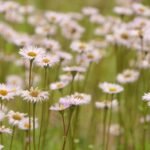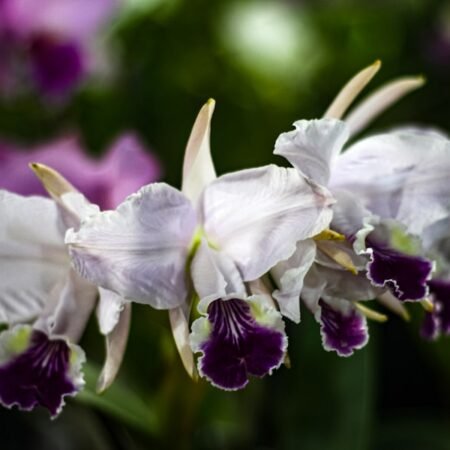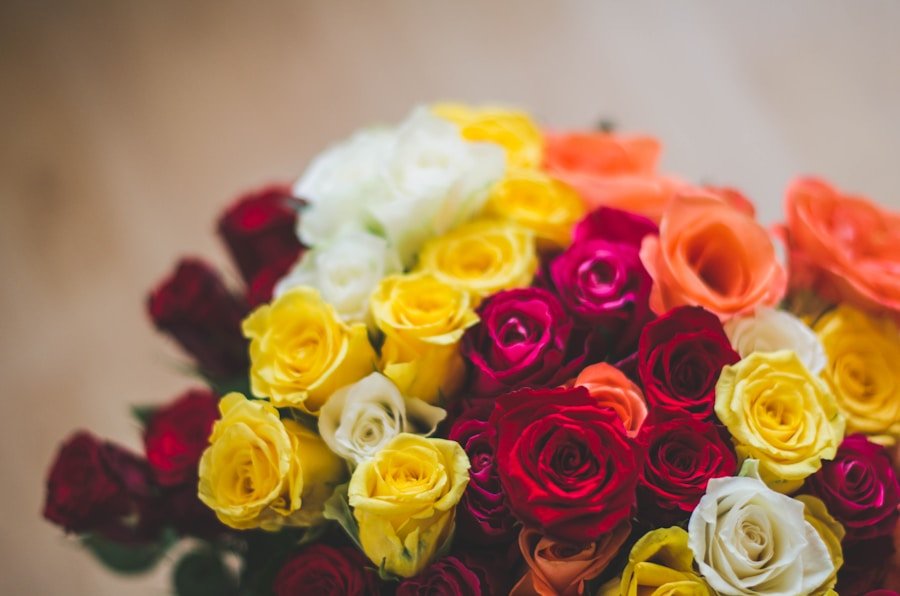

Nigella, also known as Love-in-a-Mist, is a delicate and beautiful flower that has captured the hearts of gardeners and flower enthusiasts for centuries. With its unique appearance and rich symbolism, Nigella has become a popular choice for both gardeners and florists alike. This stunning flower is native to Southern Europe, North Africa, and Southwest Asia, and is a member of the buttercup family. Nigella is known for its intricate, star-shaped flowers that are surrounded by a mist of delicate, fern-like foliage, giving it a dreamy and ethereal appearance. The flower comes in a variety of colors, including shades of blue, pink, and white, making it a versatile and eye-catching addition to any garden or bouquet. Nigella’s timeless beauty and rich symbolism have made it a beloved flower in both the garden and the world of floral design.
Nigella’s Symbolism and Meaning
Nigella holds a deep and rich symbolism that has made it a popular choice for various occasions and settings. The flower is often associated with love, passion, and romance, making it a popular choice for weddings, anniversaries, and other romantic events. In the language of flowers, Nigella is said to symbolize deep love and affection, making it a meaningful and heartfelt choice for expressing emotions and sentiments. Additionally, Nigella is also associated with mystery and enchantment, thanks to its unique appearance and delicate foliage. This makes it a popular choice for adding an air of magic and allure to floral arrangements and garden settings. Whether used in a bouquet or planted in a garden, Nigella’s symbolism and meaning make it a beloved choice for those looking to convey deep emotions and create an enchanting atmosphere.
Nigella as a Garden Flower
Nigella’s delicate and ethereal appearance makes it a stunning addition to any garden setting. The flower’s star-shaped blooms and delicate foliage create a dreamy and romantic atmosphere, making it a popular choice for both formal and informal gardens. Nigella is also known for its ability to self-seed, making it a low-maintenance and easy-to-grow option for gardeners of all skill levels. The flower thrives in well-drained soil and full sun, making it an ideal choice for sunny borders, rock gardens, or wildflower meadows. Nigella’s versatility and beauty make it a popular choice for adding color and charm to any garden setting.
Nigella’s unique appearance and rich symbolism make it a popular choice for seasonal bouquets. The flower’s star-shaped blooms and delicate foliage add an air of romance and enchantment to any arrangement, making it a beloved choice for weddings, anniversaries, and other special occasions. Nigella’s ability to self-seed also makes it a sustainable and eco-friendly option for florists looking to create seasonal bouquets with a natural and organic feel. Whether used as a focal point or as a delicate accent, Nigella’s timeless beauty and rich symbolism make it a beloved choice for seasonal bouquets.
Nigella in Romantic Settings
Nigella’s rich symbolism and delicate beauty make it a popular choice for creating romantic settings. The flower’s star-shaped blooms and mist of delicate foliage add an air of mystery and enchantment to any setting, making it a beloved choice for weddings, anniversaries, and other romantic events. Whether used in a bouquet or planted in a garden, Nigella’s timeless beauty and rich symbolism make it a beloved choice for those looking to create an atmosphere of love and passion.
Nigella’s unique appearance and rich symbolism make it a popular choice for creating romantic settings. The flower’s star-shaped blooms and delicate foliage add an air of mystery and enchantment to any setting, making it a beloved choice for weddings, anniversaries, and other romantic events. Whether used in a bouquet or planted in a garden, Nigella’s timeless beauty and rich symbolism make it a beloved choice for those looking to create an atmosphere of love and passion.
Growing and Caring for Nigella
Nigella is a relatively low-maintenance flower that is easy to grow and care for. The flower thrives in well-drained soil and full sun, making it an ideal choice for sunny borders, rock gardens, or wildflower meadows. Nigella is also known for its ability to self-seed, making it a sustainable and eco-friendly option for gardeners looking to create naturalistic settings. When planting Nigella, it is important to sow the seeds directly into the ground in the spring or fall, as the flower does not transplant well. Once established, Nigella requires minimal care, making it an ideal choice for busy gardeners or those new to gardening.
Nigella is a relatively low-maintenance flower that is easy to grow and care for. The flower thrives in well-drained soil and full sun, making it an ideal choice for sunny borders, rock gardens, or wildflower meadows. Nigella is also known for its ability to self-seed, making it a sustainable and eco-friendly option for gardeners looking to create naturalistic settings. When planting Nigella, it is important to sow the seeds directly into the ground in the spring or fall, as the flower does not transplant well. Once established, Nigella requires minimal care, making it an ideal choice for busy gardeners or those new to gardening.
Nigella in Literature and Art
Nigella’s timeless beauty and rich symbolism have made it a popular subject in literature and art throughout history. The flower’s delicate appearance and deep meaning have inspired poets, writers, and artists to capture its essence in various forms of creative expression. In literature, Nigella is often used as a symbol of love, passion, and mystery, adding depth and emotion to poems, stories, and other written works. In art, Nigella’s unique appearance has been captured in paintings, drawings, and other visual mediums, showcasing its ethereal beauty and enchanting presence. Whether used as a symbol or as a subject of artistic expression, Nigella’s timeless beauty has made it a beloved muse in the world of literature and art.
Nigella’s timeless beauty and rich symbolism have made it a popular subject in literature and art throughout history. The flower’s delicate appearance and deep meaning have inspired poets, writers, and artists to capture its essence in various forms of creative expression. In literature, Nigella is often used as a symbol of love, passion, and mystery, adding depth and emotion to poems, stories, and other written works. In art, Nigella’s unique appearance has been captured in paintings, drawings, and other visual mediums, showcasing its ethereal beauty and enchanting presence. Whether used as a symbol or as a subject of artistic expression, Nigella’s timeless beauty has made it a beloved muse in the world of literature and art.
In conclusion, Nigella is a stunning flower with deep symbolism that has captured the hearts of gardeners, florists, writers, poets, and artists alike. Its delicate appearance and rich meaning make it a beloved choice for gardens, bouquets, romantic settings, literature, art, etc. Whether used as a symbol of love or as an inspiration for creative expression, Nigella’s timeless beauty continues to enchant all who encounter it. With its ability to thrive in various settings and its rich symbolism that transcends time and culture, Nigella will continue to be cherished by all who appreciate its ethereal charm.

Other Articles
Blooming Victory: The Power of Flowers in Sport Finals
Seasonal Flower Power: Affordable Blooms with Deep Meanings