
Soil type plays a crucial role in the growth and development of flowers. Different soil types have varying levels of nutrients, drainage, and texture, all of which can impact the health and vitality of flowers. Sandy soil, for example, is known for its excellent drainage but may lack essential nutrients for flower growth. On the other hand, clay soil has high nutrient content but can be prone to waterlogging, which can be detrimental to flower health. Understanding the characteristics of different soil types is essential for successful flower gardening.
In addition to nutrient content and drainage, soil texture also plays a significant role in flower growth. Sandy soil, with its coarse texture, allows for good aeration and drainage, but it may not retain moisture well. On the other hand, clay soil, with its fine particles, has excellent moisture retention but can become compacted, leading to poor aeration. Loamy soil, which is a combination of sand, silt, and clay, offers the best of both worlds with good drainage, moisture retention, and nutrient content. By understanding the unique properties of each soil type, gardeners can make informed decisions about which flowers will thrive in their specific soil environment.
The Impact of Soil pH on Flower Health
Soil pH, or the measure of acidity or alkalinity in the soil, is another critical factor that can impact flower health. Different flowers have varying pH requirements, and soil pH can affect nutrient availability and uptake by plants. Most flowers prefer a slightly acidic to neutral pH range of 6.0 to 7.0. However, some flowers, such as azaleas and rhododendrons, thrive in acidic soils with a pH below 6.0, while others, like lilacs and clematis, prefer slightly alkaline soils with a pH above 7.0.
When the soil pH is not within the optimal range for a specific flower species, it can lead to nutrient deficiencies or toxicities, resulting in stunted growth, yellowing leaves, or poor flowering. Therefore, it is essential for gardeners to test their soil pH and make any necessary adjustments to create an optimal growing environment for their flowers. Adding lime can raise the pH of acidic soils, while sulfur or aluminum sulfate can lower the pH of alkaline soils. By understanding the impact of soil pH on flower health and making appropriate adjustments, gardeners can ensure that their flowers have the best possible growing conditions.
Nurturing Flowers in Sandy Soil Environments
Nurturing flowers in sandy soil environments requires special attention to ensure that they receive adequate nutrients and moisture. Sandy soil is known for its excellent drainage but may lack essential nutrients for flower growth. To address this, gardeners can amend sandy soil with organic matter such as compost or well-rotted manure to improve its nutrient content and water retention. Additionally, using slow-release fertilizers can help provide a steady supply of nutrients to flowers growing in sandy soil.
Another important consideration when nurturing flowers in sandy soil is irrigation. Because sandy soil drains quickly, it is essential to water flowers more frequently to ensure that they receive enough moisture. Using mulch around flower beds can also help retain moisture and regulate soil temperature in sandy soil environments. By taking these steps to nurture flowers in sandy soil, gardeners can create a more favorable growing environment and promote healthy flower growth.
Flourishing Flowers in Clay Soil Environments
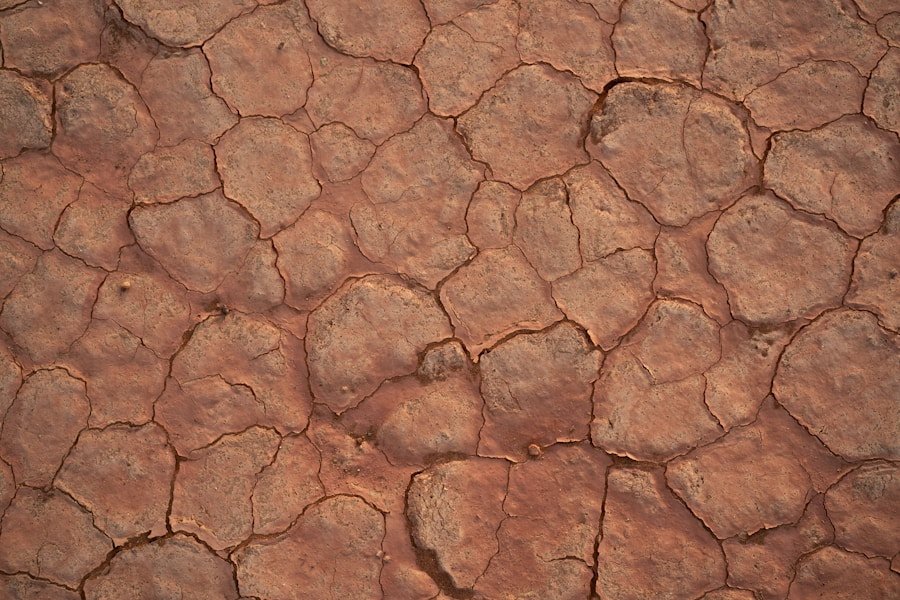
Flourishing flowers in clay soil environments require special care to address the challenges of poor drainage and compaction. Clay soil has high nutrient content but can be prone to waterlogging, which can be detrimental to flower health. To improve drainage in clay soil, gardeners can incorporate organic matter such as compost or peat moss to break up the dense clay particles and improve aeration. Additionally, adding coarse sand or perlite can help enhance drainage in clay soil environments.
In addition to addressing drainage issues, it is essential to avoid working with clay soil when it is wet as this can lead to compaction and damage the soil structure. Instead, gardeners should wait until the soil is dry enough to work with without causing it to become compacted. By taking these steps to improve drainage and avoid compaction, gardeners can create a more hospitable environment for flowers to flourish in clay soil.
The Importance of Loamy Soil for Healthy Flower Growth
Loamy soil is often considered the ideal soil type for healthy flower growth due to its balanced combination of sand, silt, and clay. This balanced composition provides good drainage, moisture retention, and nutrient content, making it an excellent growing medium for a wide variety of flowers. The loose, crumbly texture of loamy soil allows for good aeration and root development while also retaining moisture for extended periods.
In addition to its physical properties, loamy soil also supports a diverse microbial community that helps break down organic matter and release nutrients for plant uptake. This further enhances the fertility of loamy soil and promotes healthy flower growth. Gardeners who have loamy soil in their gardens are fortunate to have an optimal growing medium for their flowers and can expect vibrant blooms and robust plants with proper care and maintenance.
Enhancing Soil Fertility for Vibrant Flowers
Enhancing soil fertility is crucial for promoting vibrant flower growth and ensuring that plants have access to essential nutrients for their development. One way to enhance soil fertility is by incorporating organic matter such as compost, well-rotted manure, or leaf mold into the soil. Organic matter not only provides essential nutrients but also improves soil structure and supports beneficial microbial activity.
In addition to organic matter, using organic fertilizers can help replenish nutrients in the soil and promote healthy flower growth. Organic fertilizers release nutrients slowly over time, providing a steady supply of nourishment for flowers without the risk of over-fertilization or nutrient leaching. By enhancing soil fertility through the addition of organic matter and organic fertilizers, gardeners can create an optimal growing environment for vibrant flowers.
Choosing the Right Soil Amendments for Optimal Flower Development
Choosing the right soil amendments is essential for optimal flower development and ensuring that plants have access to the nutrients they need to thrive. When selecting soil amendments, it is important to consider the specific needs of the flowers being grown as well as the characteristics of the existing soil. For example, if the soil is lacking in organic matter and nutrients, adding compost or well-rotted manure can help improve its fertility and support healthy flower growth.
In addition to organic matter, other soil amendments such as lime or sulfur can be used to adjust the pH of the soil to create an optimal growing environment for specific flower species. Furthermore, using mulch around flower beds can help conserve moisture, regulate soil temperature, and suppress weed growth. By choosing the right soil amendments and applying them strategically, gardeners can create an ideal growing environment for their flowers and promote optimal development.
In conclusion, understanding the role of different soil types and pH levels is crucial for successful flower gardening. By nurturing flowers in sandy or clay soil environments with appropriate amendments and care, gardeners can create favorable growing conditions for their plants. Additionally, recognizing the importance of loamy soil for healthy flower growth and enhancing soil fertility through organic matter and fertilizers are essential steps in promoting vibrant blooms and robust plants. Choosing the right soil amendments based on specific flower needs and existing soil characteristics further supports optimal flower development. With proper knowledge and care, gardeners can create thriving flower gardens that showcase the beauty and diversity of nature’s blooms.