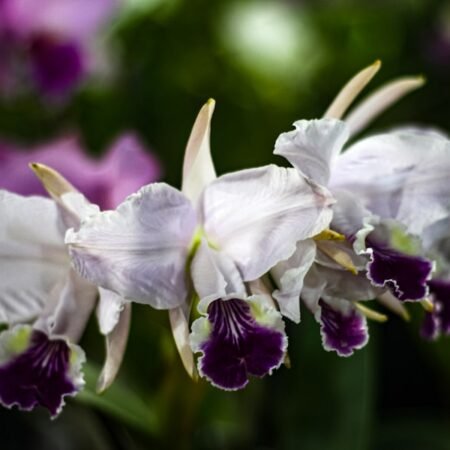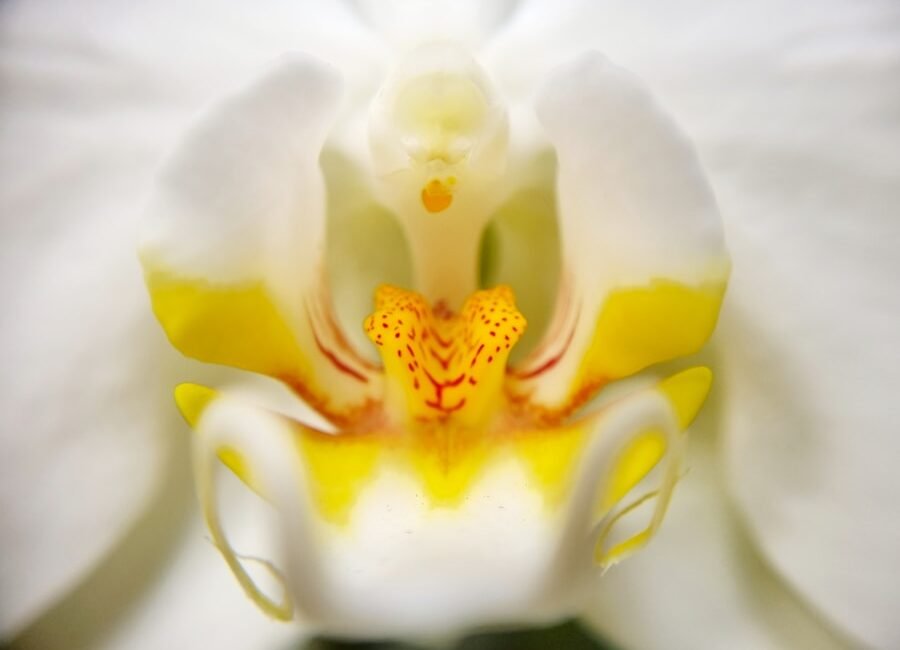

Orchids are a diverse and beautiful group of flowering plants that belong to the family Orchidaceae. There are over 25,000 species of orchids, and they come in a wide variety of shapes, sizes, and colors. Some of the most popular types of orchids include Phalaenopsis, Cattleya, Dendrobium, and Oncidium. Phalaenopsis orchids, also known as moth orchids, are one of the most common types of orchids and are known for their large, showy flowers. Cattleya orchids, on the other hand, are known for their vibrant and fragrant flowers, while Dendrobium orchids come in a wide range of colors and patterns. Oncidium orchids, also known as dancing lady orchids, are known for their small, brightly colored flowers that resemble dancing ladies.
In addition to these popular types, there are also many other lesser-known varieties of orchids, each with its own unique characteristics and growing requirements. Some orchids are epiphytic, meaning they grow on trees or other plants, while others are terrestrial, meaning they grow in the ground. Understanding the different types and varieties of orchids is important for providing the best care and growing conditions for these beautiful plants.
Basic Orchid Care: Light, Water, and Temperature
Proper care is essential for the health and well-being of orchids. When it comes to light, orchids generally prefer bright, indirect light. Placing them near a window where they can receive plenty of natural light without being exposed to direct sunlight is ideal. In terms of water, orchids should be watered when their potting medium is dry to the touch. Overwatering can lead to root rot, so it’s important to allow the potting medium to dry out between waterings. Additionally, orchids thrive in humid environments, so misting them regularly or placing them on a humidity tray can help maintain the right level of moisture.
Temperature is another important factor in orchid care. Most orchids prefer temperatures between 60-80°F during the day and slightly cooler temperatures at night. It’s important to avoid exposing orchids to extreme temperature fluctuations, as this can stress the plants and affect their overall health. By providing the right balance of light, water, and temperature, orchid enthusiasts can ensure that their plants thrive and produce beautiful blooms.
Potting and Repotting Orchids: Best Practices
Potting and repotting orchids is an essential part of their care and maintenance. When potting orchids, it’s important to use a well-draining potting medium that allows for good air circulation around the roots. This can include materials such as bark, sphagnum moss, or perlite. Additionally, choosing the right size pot is important – orchids prefer to be slightly root-bound, so it’s best to use a pot that is just large enough to accommodate their roots.
Repotting orchids should be done when their potting medium breaks down or becomes too compacted, usually every 1-2 years. When repotting, it’s important to carefully remove the old potting medium and inspect the roots for any signs of damage or disease. Trim away any dead or rotting roots before repotting the orchid in fresh potting medium. It’s also a good idea to choose a pot that is only slightly larger than the previous one to prevent overpotting, which can lead to overwatering and other issues.
Fertilizing Orchids: Nutrients and Feeding Schedule
Fertilizing is an important aspect of orchid care that can help promote healthy growth and flowering. Orchids have specific nutrient requirements that can be met through regular fertilization. A balanced fertilizer with equal parts nitrogen, phosphorus, and potassium is ideal for most orchids. Additionally, it’s important to choose a fertilizer that is specifically formulated for orchids to ensure that it contains the right balance of nutrients.
When it comes to feeding schedule, orchids should be fertilized regularly during their active growing season, which typically occurs in the spring and summer months. It’s best to use a diluted fertilizer solution every 2-4 weeks to avoid overfertilizing, which can lead to salt buildup in the potting medium and damage the roots. During the fall and winter months when orchids are not actively growing, it’s best to reduce or eliminate fertilization altogether to allow the plants to rest.
Preventing Pests and Diseases in Orchids
Pests and diseases can pose a threat to the health of orchids if not properly managed. Common pests that can affect orchids include aphids, mealybugs, scale insects, and spider mites. These pests can cause damage to the leaves and flowers of orchids and can also spread diseases. To prevent infestations, it’s important to regularly inspect orchids for any signs of pests and take action immediately if any are found.
In addition to pests, orchids are also susceptible to various diseases such as root rot, bacterial soft rot, and fungal infections. These diseases can be caused by overwatering, poor air circulation, or contaminated potting medium. To prevent diseases, it’s important to provide proper growing conditions for orchids and avoid overwatering or allowing water to collect around the base of the plant. Using sterile potting medium and maintaining good hygiene practices can also help prevent the spread of diseases.
Orchid Blooming: Encouraging and Extending Flowering
The beautiful blooms of orchids are one of their most attractive features, and encouraging and extending flowering is a goal for many orchid enthusiasts. To encourage blooming, it’s important to provide the right growing conditions for orchids, including proper light, water, temperature, and fertilization. Additionally, some orchids may benefit from a period of cooler temperatures or reduced watering to stimulate blooming.
Once orchids have bloomed, there are several techniques that can be used to extend the flowering period. Deadheading – or removing spent flowers – can help redirect energy back into the plant and encourage new blooms. Additionally, providing proper care and maintenance during the post-blooming period can help ensure that orchids remain healthy and continue to produce beautiful flowers in the future.
Orchid Maintenance: Pruning, Trimming, and Grooming Techniques
Regular maintenance is essential for keeping orchids healthy and looking their best. Pruning and trimming can help remove dead or damaged leaves and stems, improve air circulation around the plant, and promote new growth. When pruning orchids, it’s important to use clean and sharp tools to avoid causing further damage to the plant. Grooming techniques such as removing dust from leaves with a soft brush or cloth can also help keep orchids looking clean and vibrant.
In addition to pruning and grooming, it’s important to regularly inspect orchids for any signs of pests or diseases and take action immediately if any are found. Regularly repotting orchids as needed can also help maintain their overall health and prevent issues such as root rot or overpotting. By incorporating these maintenance techniques into their care routine, orchid enthusiasts can ensure that their plants remain healthy and beautiful for years to come.