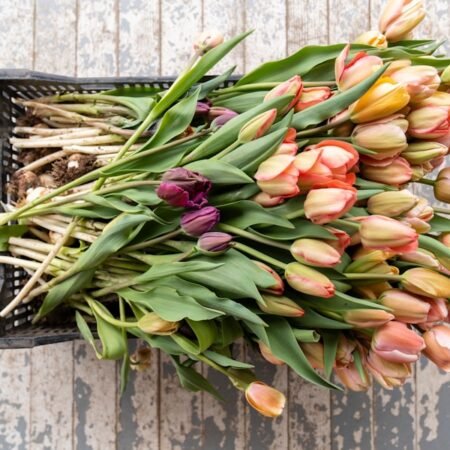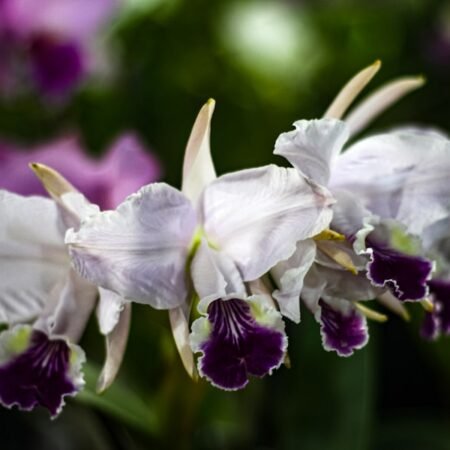

As the summer comes to an end, it’s time to start thinking about clearing out the plants that have reached the end of their growing season. This is an important step in preparing your garden for the cooler months ahead. Begin by removing any annuals that have finished blooming and are starting to look tired. This will help to tidy up the garden and make space for new plants. Next, take a look at any vegetables or herbs that are past their prime and remove them from the garden. This will not only make room for new plantings, but it will also help to prevent the spread of disease and pests. Finally, consider cutting back any perennials that have finished flowering and are starting to look untidy. This will help to encourage new growth and keep the garden looking neat and tidy.
Once you have cleared out the summer plants, it’s important to dispose of them properly. If the plants are disease-free, you can add them to your compost pile to create nutrient-rich soil for next year’s garden. However, if the plants are diseased, it’s best to dispose of them in the trash to prevent the spread of disease to other plants. By taking the time to clear out your summer plants properly, you can help to ensure a healthy and vibrant garden for the coming seasons.
Pruning and deadheading
After clearing out the summer plants, it’s important to take some time to prune and deadhead any remaining plants in the garden. Pruning is an essential part of maintaining healthy plants, as it helps to promote new growth and improve the overall appearance of the garden. Start by removing any dead or diseased branches from trees and shrubs, as well as any branches that are crossing or rubbing against each other. This will help to improve air circulation and reduce the risk of disease. Next, take a look at your flowering plants and remove any spent blooms. This process, known as deadheading, will help to encourage new blooms and prolong the flowering season.
In addition to pruning and deadheading, it’s also important to take some time to inspect your plants for any signs of pests or disease. If you notice any issues, take steps to address them as soon as possible to prevent them from spreading to other plants in the garden. By taking the time to prune and deadhead your plants, you can help to promote healthy growth and ensure a beautiful garden for the coming months.
Mulching and fertilizing
As the summer comes to an end, it’s important to take some time to mulch and fertilize your garden to prepare it for the cooler months ahead. Mulching is an essential part of maintaining a healthy garden, as it helps to retain moisture, suppress weeds, and regulate soil temperature. Start by spreading a layer of mulch around your plants, making sure to leave a small gap around the base of each plant to prevent rot. This will help to protect the roots from temperature fluctuations and reduce water loss through evaporation.
In addition to mulching, it’s also important to fertilize your garden to provide essential nutrients for healthy plant growth. Start by testing your soil to determine its pH level and nutrient content. Based on the results, choose a fertilizer that is appropriate for your specific needs. Apply the fertilizer according to the instructions on the package, making sure to water it in thoroughly afterwards. By taking the time to mulch and fertilize your garden, you can help to ensure healthy and vibrant growth for the coming seasons.
Planting autumn flowers
As summer comes to an end, it’s time to start thinking about planting autumn flowers to add color and interest to your garden. There are many beautiful flowers that thrive in cooler temperatures and can help to brighten up your outdoor space as the days grow shorter. Some popular choices for autumn planting include chrysanthemums, asters, and pansies. These flowers come in a wide range of colors and are relatively easy to care for, making them a great choice for gardeners of all skill levels.
When planting autumn flowers, it’s important to choose a location that receives plenty of sunlight and has well-drained soil. Prepare the soil by adding compost or organic matter to improve its texture and fertility. Next, dig a hole that is slightly larger than the root ball of the plant and gently place the plant in the hole, making sure that it is level with the surrounding soil. Water the plant thoroughly after planting and continue to water regularly until it becomes established. By taking the time to plant autumn flowers, you can add beauty and color to your garden as summer comes to an end.
Protecting from frost
As the temperatures start to drop in the autumn months, it’s important to take steps to protect your garden from frost. Frost can damage or kill tender plants, so it’s important to be proactive in protecting them from the cold. Start by covering any delicate plants with a layer of frost cloth or an old sheet on nights when frost is expected. This will help to trap heat around the plants and prevent them from freezing.
In addition to covering plants, it’s also important to take steps to protect your garden’s soil from frost. Mulch can help to insulate the soil and protect plant roots from freezing temperatures. Apply a thick layer of mulch around your plants, making sure not to pile it up against the stems or trunks of trees and shrubs. By taking steps to protect your garden from frost, you can help to ensure that your plants stay healthy and vibrant as the temperatures drop.
Watering and drainage
Proper watering and drainage are essential for maintaining a healthy garden throughout the autumn months. As the temperatures start to cool down, it’s important to adjust your watering schedule accordingly. In general, most plants require less water in the autumn than they do in the summer, so be sure to adjust your watering schedule accordingly. Pay attention to weather patterns and only water when necessary, making sure not to overwater as this can lead to root rot.
In addition to proper watering, it’s also important to ensure that your garden has adequate drainage. Poor drainage can lead to waterlogged soil, which can cause root rot and other issues for your plants. Take some time to inspect your garden for any areas where water tends to pool after rainstorms and make adjustments as necessary. Consider adding drainage channels or raised beds in areas where drainage is a problem. By taking steps to ensure proper watering and drainage in your garden, you can help to maintain healthy and vibrant plants throughout the autumn months.
Cleaning and organizing garden tools
As summer comes to an end, it’s a good time to take stock of your garden tools and give them a thorough cleaning and organizing before putting them away for the season. Start by gathering all of your tools together in one place so that you can assess what needs cleaning or maintenance. Use a wire brush or steel wool to remove any rust from metal tools, then wipe them down with a cloth soaked in mineral spirits or vinegar.
Next, take some time to sharpen any tools that have become dull over the course of the growing season. Use a sharpening stone or file to sharpen blades on pruners, shears, and other cutting tools. This will help to ensure that they are ready for use when spring rolls around again. Finally, take some time to organize your tools so that they are easy to find when you need them next year. Consider hanging them on a pegboard or storing them in a tool shed or garage where they will be protected from the elements.
By taking the time to clean and organize your garden tools at the end of the growing season, you can help to ensure that they are ready for use when spring rolls around again. This will not only save you time and effort next year but will also help to extend the life of your tools so that you can continue using them for years to come.
In conclusion, preparing your garden for autumn is an important part of maintaining a healthy and vibrant outdoor space throughout the changing seasons. By taking steps such as clearing out summer plants, pruning and deadheading, mulching and fertilizing, planting autumn flowers, protecting from frost, watering and drainage, and cleaning and organizing garden tools, you can help ensure that your garden remains beautiful and productive throughout the cooler months ahead. With proper care and attention, your garden can continue to bring joy and beauty well into autumn and beyond.