
Heirloom flowers hold a special place in the hearts of many gardeners and flower enthusiasts. These flowers are not just beautiful to look at, but they also carry with them a rich history and heritage that has been passed down through generations. The importance of heirloom flowers lies in their ability to connect us to our past, preserve family traditions, and evoke a sense of nostalgia and emotional value. These flowers are not just plants, but living reminders of our ancestors and the stories they hold. They are a link to our past and a way to honor the legacy of those who came before us.
Heirloom flowers also play a crucial role in preserving biodiversity and genetic diversity in the plant world. With the rise of commercial hybridization and genetically modified organisms, many traditional flower varieties are at risk of being lost forever. By growing and preserving heirloom flowers, we are helping to ensure that these unique and diverse plant species continue to thrive for future generations. Additionally, heirloom flowers often have superior fragrance, flavor, and resilience compared to modern hybrids, making them valuable resources for both gardeners and researchers. In a world where biodiversity is increasingly threatened, heirloom flowers serve as a reminder of the importance of preserving our natural heritage.
The Historical Significance of Heirloom Flowers
Heirloom flowers have a rich historical significance that dates back centuries. Many of these flowers have been cultivated for generations and have played important roles in various cultures and traditions. For example, the peony has been revered in Chinese culture for over 2,000 years and is often associated with wealth, honor, and nobility. Similarly, the rose has been a symbol of love and beauty in Western culture for thousands of years, with its origins dating back to ancient Greece and Rome. These historical connections give heirloom flowers a sense of timelessness and cultural importance that cannot be replicated by modern hybrids.
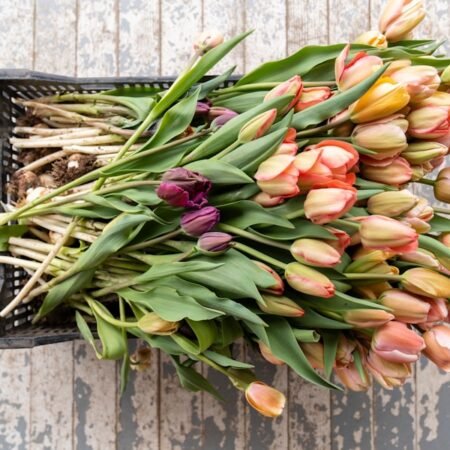
In addition to their cultural significance, heirloom flowers also have historical value in terms of their role in shaping the natural landscape. Many heirloom flowers were brought to new continents by early explorers and settlers, where they became integral parts of local ecosystems and horticultural traditions. For example, the tulip was introduced to Europe from the Ottoman Empire in the 16th century and quickly became a symbol of wealth and status in Dutch society. These historical connections make heirloom flowers not just beautiful plants, but living artifacts that tell the stories of human migration, exploration, and cultural exchange.
How Heirloom Flowers Connect Generations
One of the most powerful aspects of heirloom flowers is their ability to connect generations and bridge the gap between the past and the present. Many gardeners have fond memories of their grandparents or great-grandparents tending to their gardens, and heirloom flowers often play a central role in these cherished recollections. By growing the same flowers that their ancestors once tended to, gardeners are able to create a tangible link to their family history and pass down traditions to future generations.
Heirloom flowers also serve as a way for younger generations to connect with their heritage and learn about the cultural and historical significance of certain plants. By involving children in the process of growing and caring for heirloom flowers, parents and grandparents can impart valuable lessons about the importance of preserving traditions and respecting the natural world. This hands-on approach to learning can instill a sense of pride and appreciation for one’s roots, as well as foster a deeper understanding of the interconnectedness of all living things.
The Role of Heirloom Flowers in Preserving Family Traditions
Heirloom flowers play a crucial role in preserving family traditions and passing down cultural knowledge from one generation to the next. Many families have specific flower varieties that have been grown for decades or even centuries, with each generation taking on the responsibility of caring for these plants and ensuring their continued survival. This act of stewardship not only helps to maintain the genetic diversity of heirloom flowers, but also serves as a way for families to honor their ancestors and keep their legacies alive.
In addition to their role in preserving family traditions, heirloom flowers also have practical uses in various cultural practices and ceremonies. For example, certain flowers may be used in traditional wedding bouquets or as offerings in religious ceremonies, carrying with them centuries-old meanings and symbolism. By continuing to grow these flowers and incorporate them into important life events, families are able to maintain connections to their cultural heritage and reinforce the importance of these traditions for future generations.
The Emotional Value of Heirloom Flowers in Gardens
Heirloom flowers hold a special place in many people’s hearts due to their emotional value in gardens. These flowers are not just plants; they are living reminders of cherished memories, loved ones, and the passage of time. For many gardeners, tending to heirloom flowers is a way to stay connected to their past and find solace in the beauty and resilience of these timeless plants. The act of growing heirloom flowers can be a deeply personal and emotional experience, as it allows individuals to pay tribute to their ancestors and create a sense of continuity between past, present, and future.
Furthermore, heirloom flowers often evoke a sense of nostalgia and sentimentality that is hard to replicate with modern hybrids. Their unique colors, shapes, and fragrances can transport us back to simpler times and evoke memories of childhood gardens or family gatherings. This emotional connection to heirloom flowers is what makes them so beloved by gardeners around the world, as they provide a sense of comfort and familiarity in an ever-changing world.
Tips for Growing and Preserving Heirloom Flowers
Growing and preserving heirloom flowers requires careful attention to detail and a commitment to maintaining their genetic integrity. To ensure the continued survival of these unique plant varieties, it is important for gardeners to follow certain guidelines when cultivating heirloom flowers. First and foremost, it is essential to source seeds or plants from reputable suppliers who specialize in heirloom varieties, as this helps to guarantee the authenticity and purity of the plants.
In addition, proper care and maintenance are crucial for preserving heirloom flowers. This includes providing the right growing conditions, such as adequate sunlight, water, and soil quality, as well as protecting the plants from pests and diseases. It is also important to save seeds from heirloom flowers each year in order to maintain their genetic diversity and prevent cross-pollination with other plant varieties. By following these tips for growing and preserving heirloom flowers, gardeners can help ensure that these unique plant species continue to thrive for generations to come.
Incorporating Heirloom Flowers into Family History Projects
Incorporating heirloom flowers into family history projects can be a meaningful way to honor one’s heritage and preserve the stories behind these cherished plants. One idea is to create a family garden that features heirloom flowers that have been passed down through multiple generations. This living tribute can serve as a visual representation of a family’s history and provide an opportunity for relatives to come together and share memories about the significance of these plants.
Another way to incorporate heirloom flowers into family history projects is through art or storytelling. For example, individuals can create paintings or drawings inspired by their favorite heirloom flowers, or write poems or essays that capture the emotional value of these plants in their lives. These creative endeavors can serve as lasting tributes to the beauty and significance of heirloom flowers, while also providing future generations with a deeper understanding of their family’s cultural heritage.
In conclusion, heirloom flowers hold immense importance due to their ability to connect us to our past, preserve family traditions, evoke emotional value, and maintain genetic diversity in the plant world. By understanding the historical significance of these plants and incorporating them into family history projects, we can ensure that their stories continue to be told for generations to come. With careful attention to growing and preserving heirloom flowers, we can honor our ancestors’ legacies while creating new memories for future generations to cherish.